Start here
Explore geology by topic
Use these hubs as your map. Each hub breaks into short subpages, and every page links back to this Geology overview.
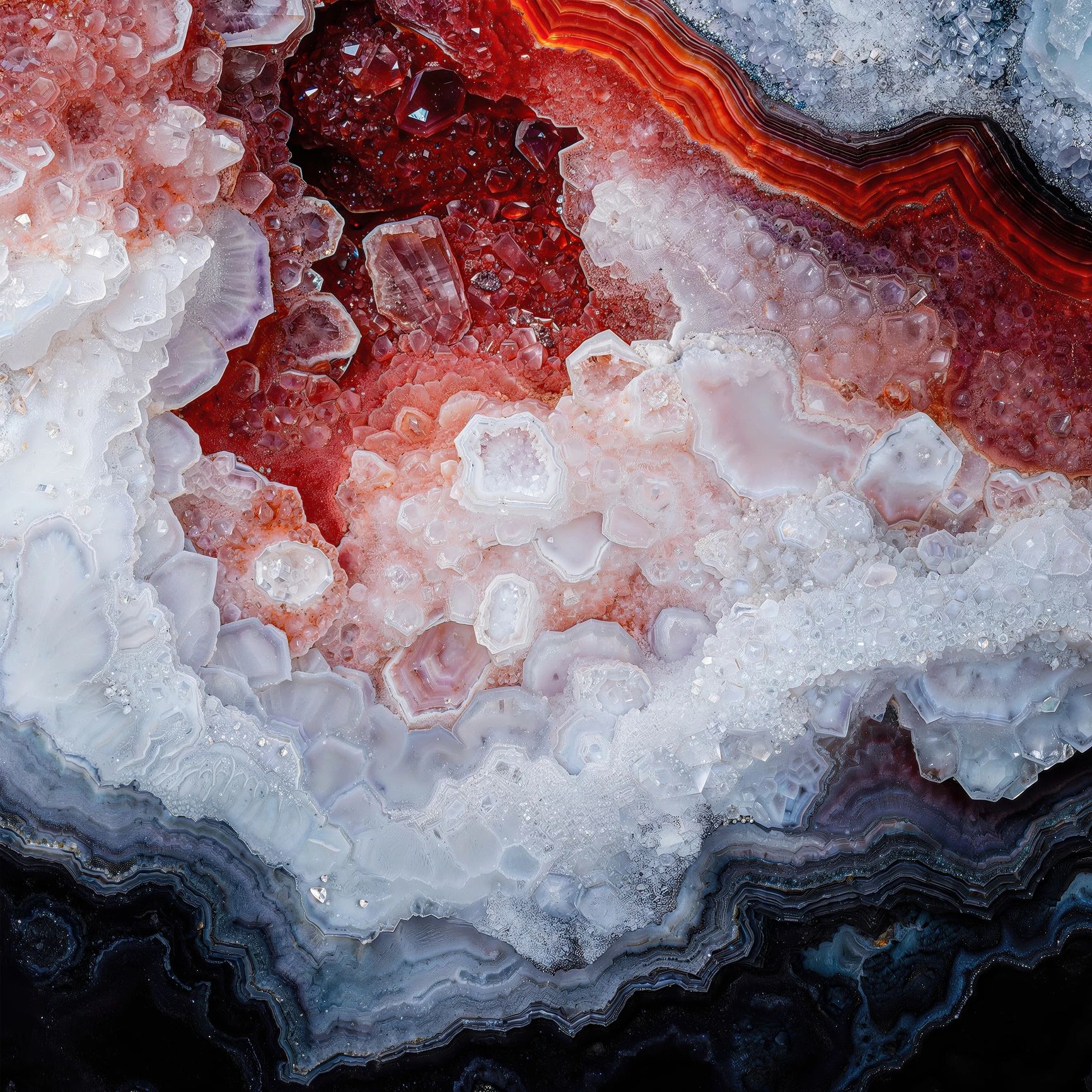
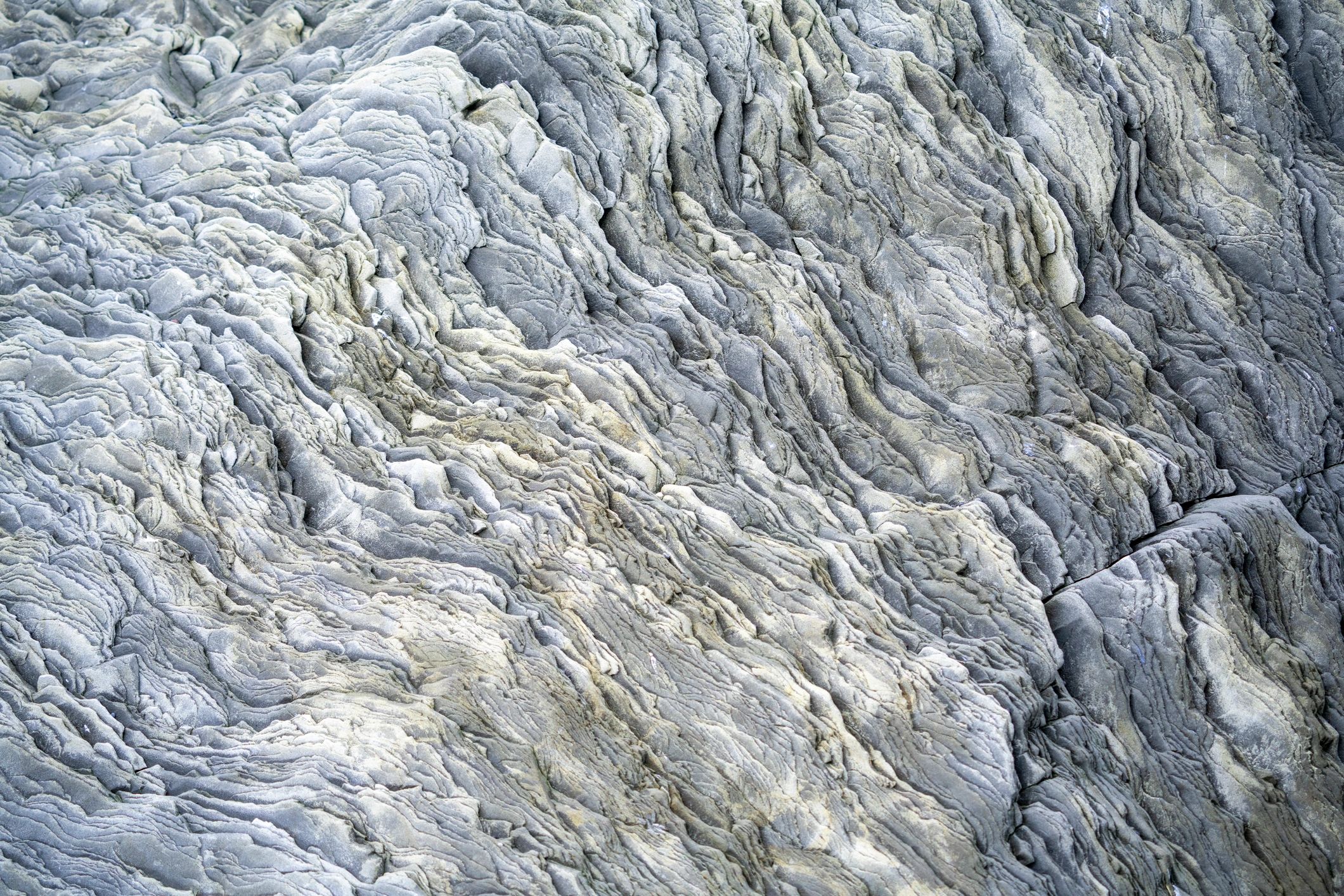
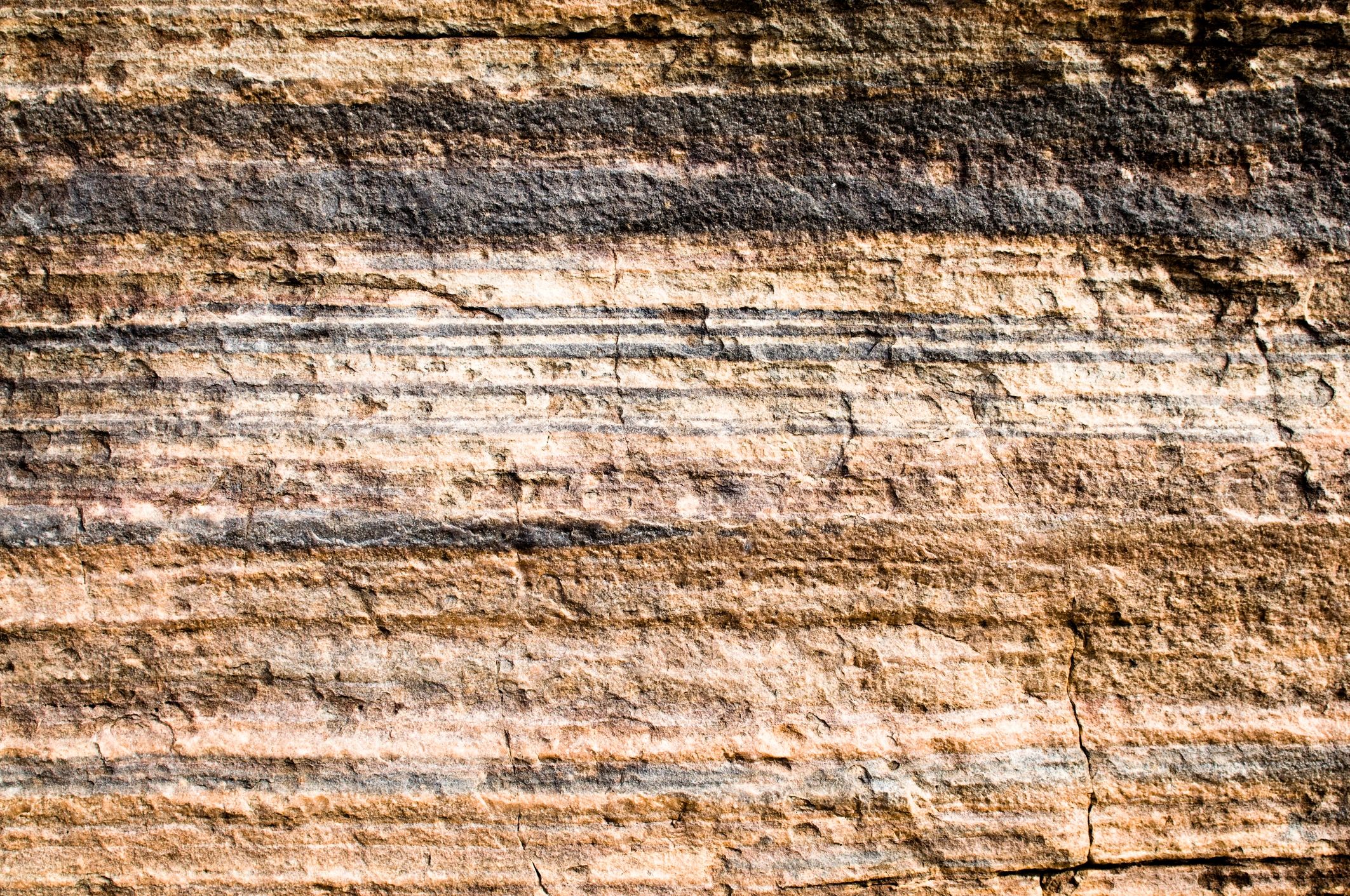
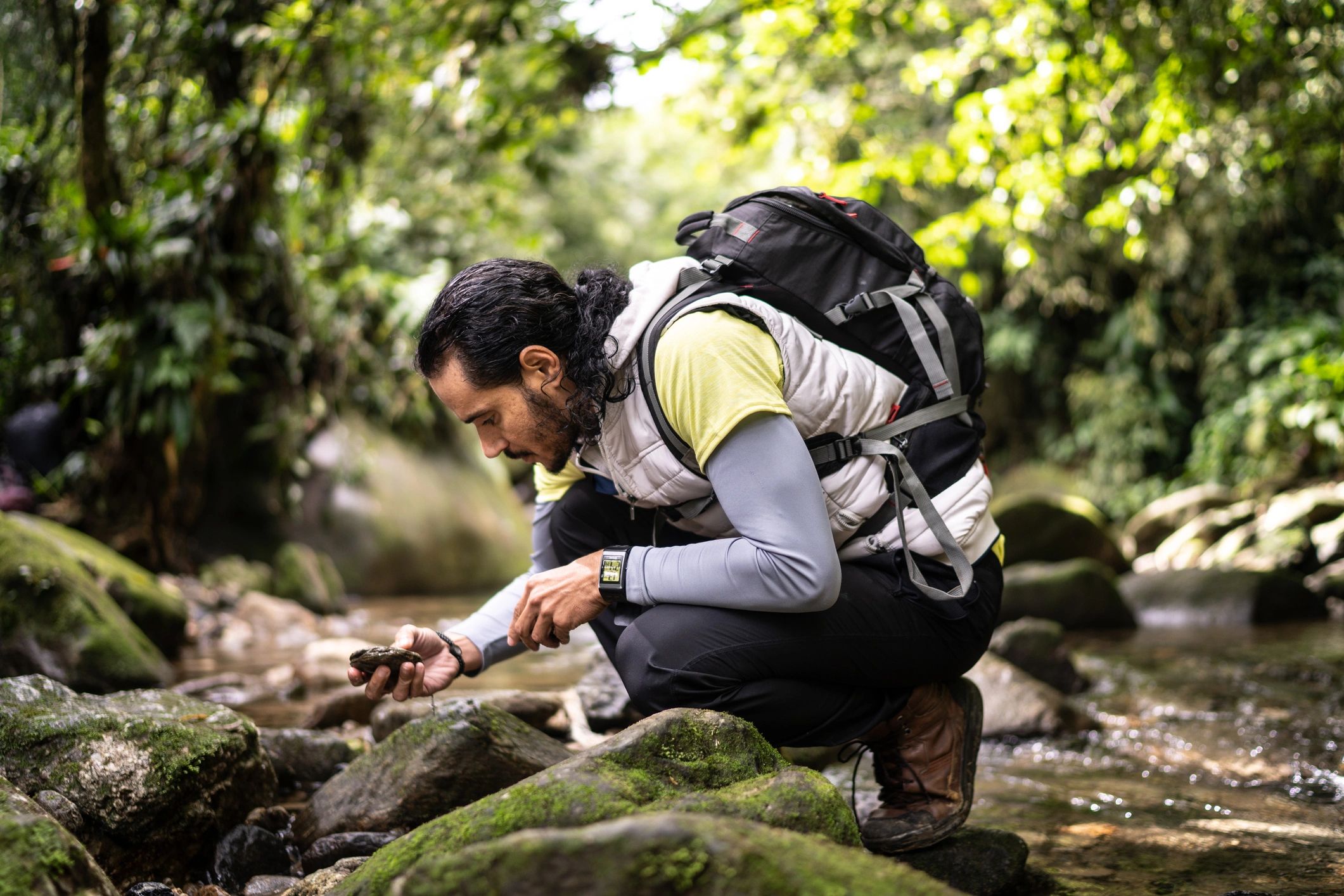
In the field
Rocks tell stories
Geologists combine careful observation with simple tests and lab tools to connect a hand sample to a larger geologic history.
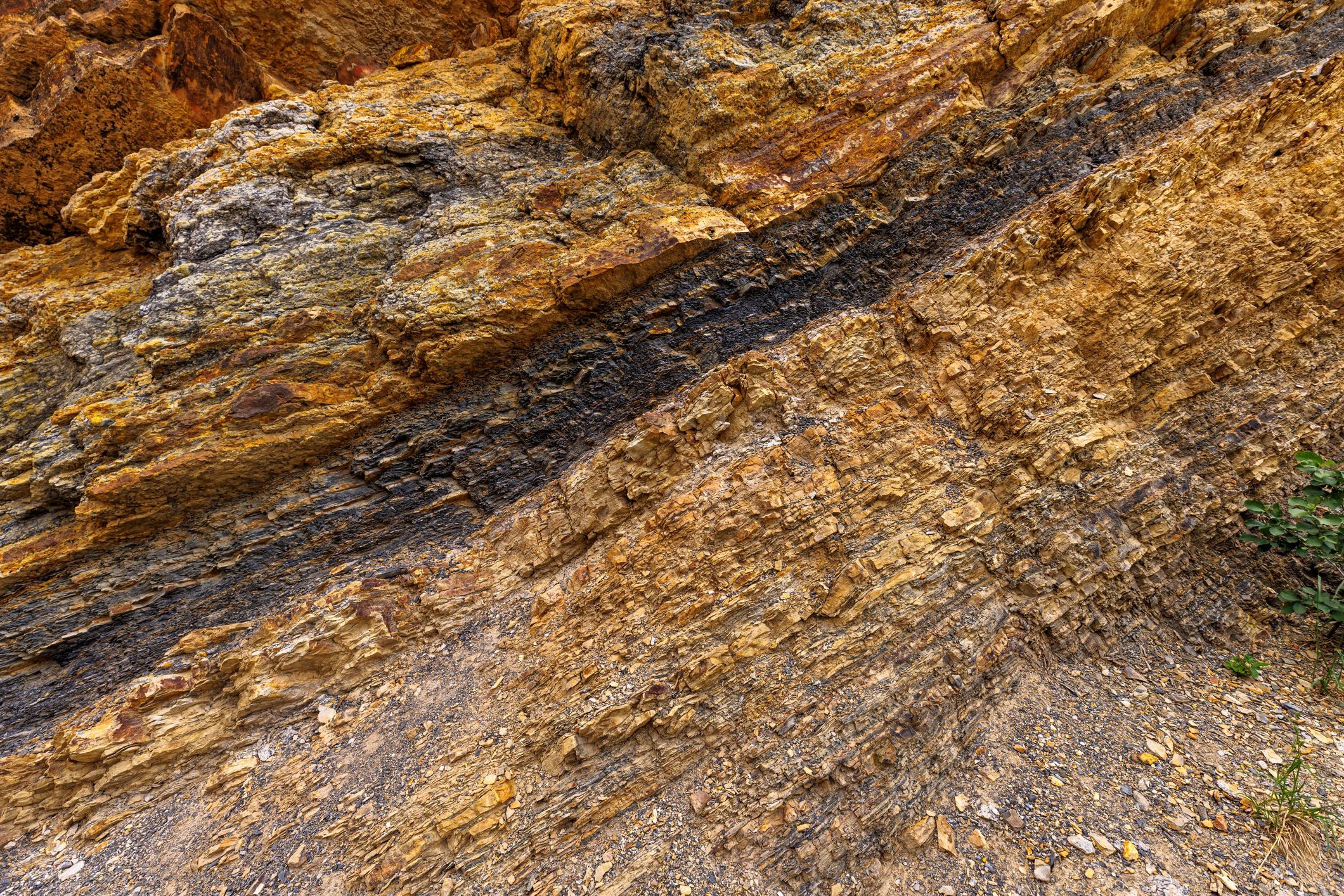
Chapters 2–12
Geology overview chapters
Materials-first: start with what rocks are made of, then how we identify them, how they form, how we measure time, and the methods geologists use to test ideas.
2) Minerals: the building blocks
What minerals are, why crystal structure matters, and the mineral properties that control color, hardness, cleavage, and weathering behavior. In plain terms: minerals are the “ingredients,” and their properties set the rules for what a rock can do.
3) Field identification: quick tests
A practical workflow: observe texture → test hardness/streak → check cleavage/fracture → acid test for carbonates → magnetism → density → confirm with reference charts. In plain terms: you narrow possibilities step by step, like a decision tree.
4) Igneous: magma to rock
Cooling rate and chemistry create textures from glassy obsidian to coarse granite. Intrusive vs. extrusive, and what basalt tells us about mantle melting. In plain terms: crystal size is a timer for cooling.
5) Sedimentary: layers and environments
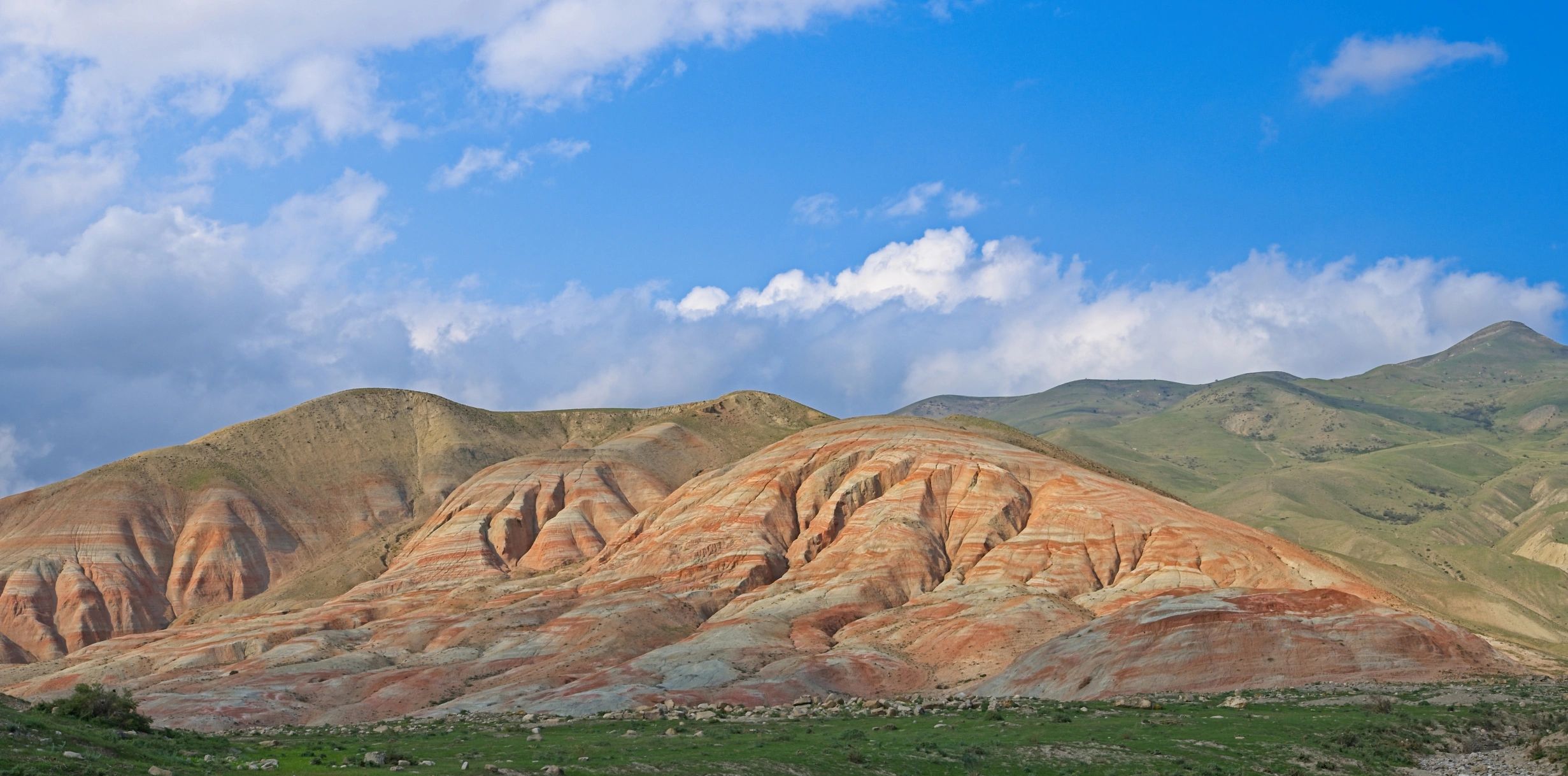
Weathering → transport → deposition → lithification. Bedding, sorting, fossils, and what sandstone vs. limestone says about past environments. In plain terms: sediments are Earth’s “receipts” of surface processes.
Continue
Processes, time, and methods
These chapters connect hand samples to plate tectonics, landscapes, and deep time—and show how geologists test interpretations.
6) Metamorphic: heat, pressure, fluids
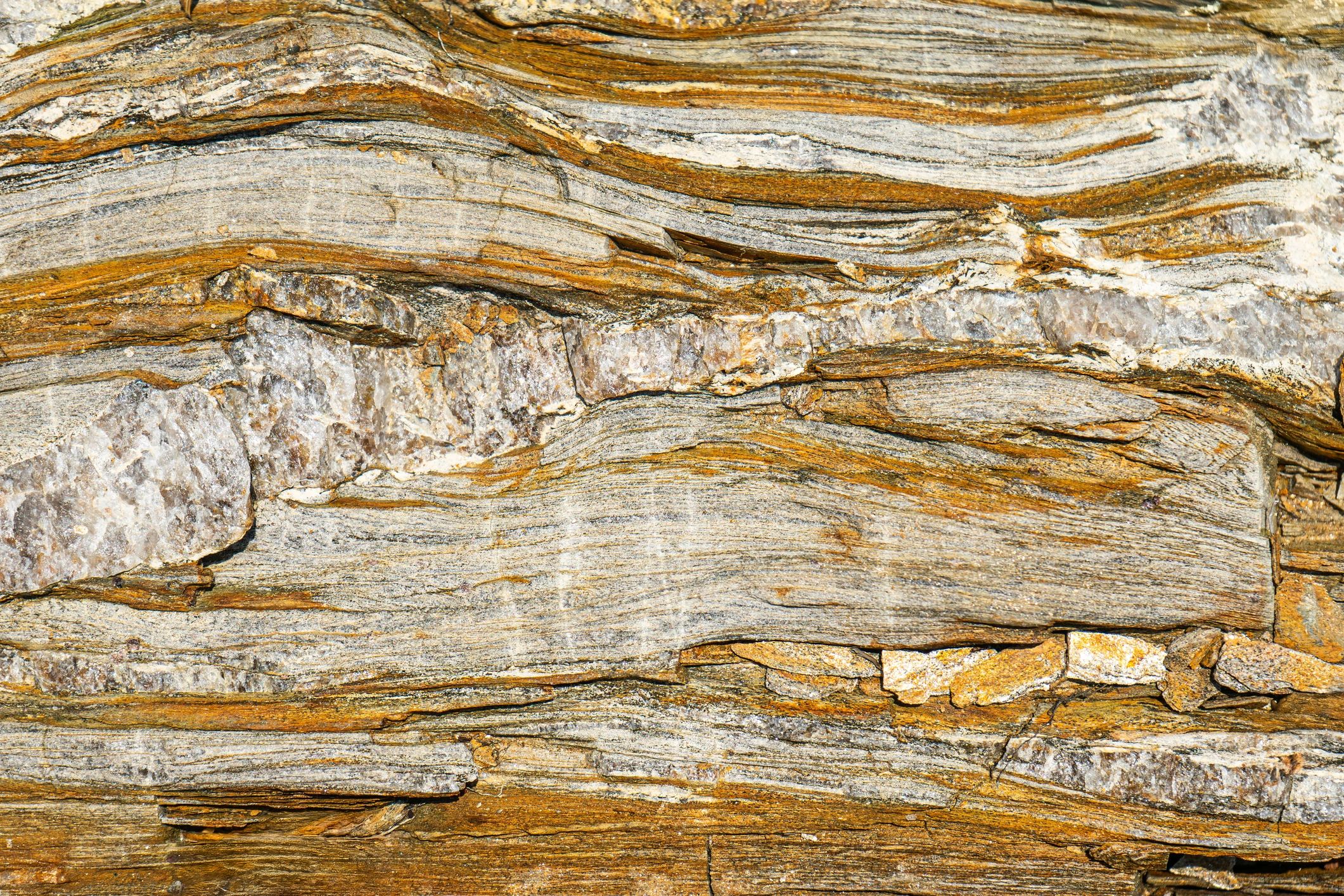
Foliation, recrystallization, and metamorphic grade. Why marble forms from limestone and how schist and gneiss record deformation. In plain terms: metamorphism is “baking and squeezing” without melting.
7) The rock cycle: a connected system
How igneous, sedimentary, and metamorphic rocks transform into one another through uplift, erosion, burial, and melting. In plain terms: rocks are always in motion—just very slowly.
8) Plate tectonics and mountain building
Subduction, rifting, collisions, and how they create magmas, metamorphism, and sediment basins. In plain terms: plates are the engine that moves rocks through the cycle.
9) Weathering and soils
Physical vs. chemical weathering, clay formation, and how climate controls breakdown rates. In plain terms: weathering turns rock into the raw material for soil and sediment.
Finish
Deep time & evidence
Relative dating builds order; absolute dating adds numbers. Methods tie observations to measurable signals in minerals and landscapes.
10) Relative time: reading layers
Superposition, cross-cutting relationships, unconformities, and correlation. In plain terms: you can tell “what happened first” even without a calendar date.
11) Absolute time: radiometric clocks
Half-life, parent/daughter isotopes, closure temperature, and why zircon is a superstar mineral for dating. In plain terms: some minerals act like tiny stopwatches.
12) Methods: from hand lens to lab
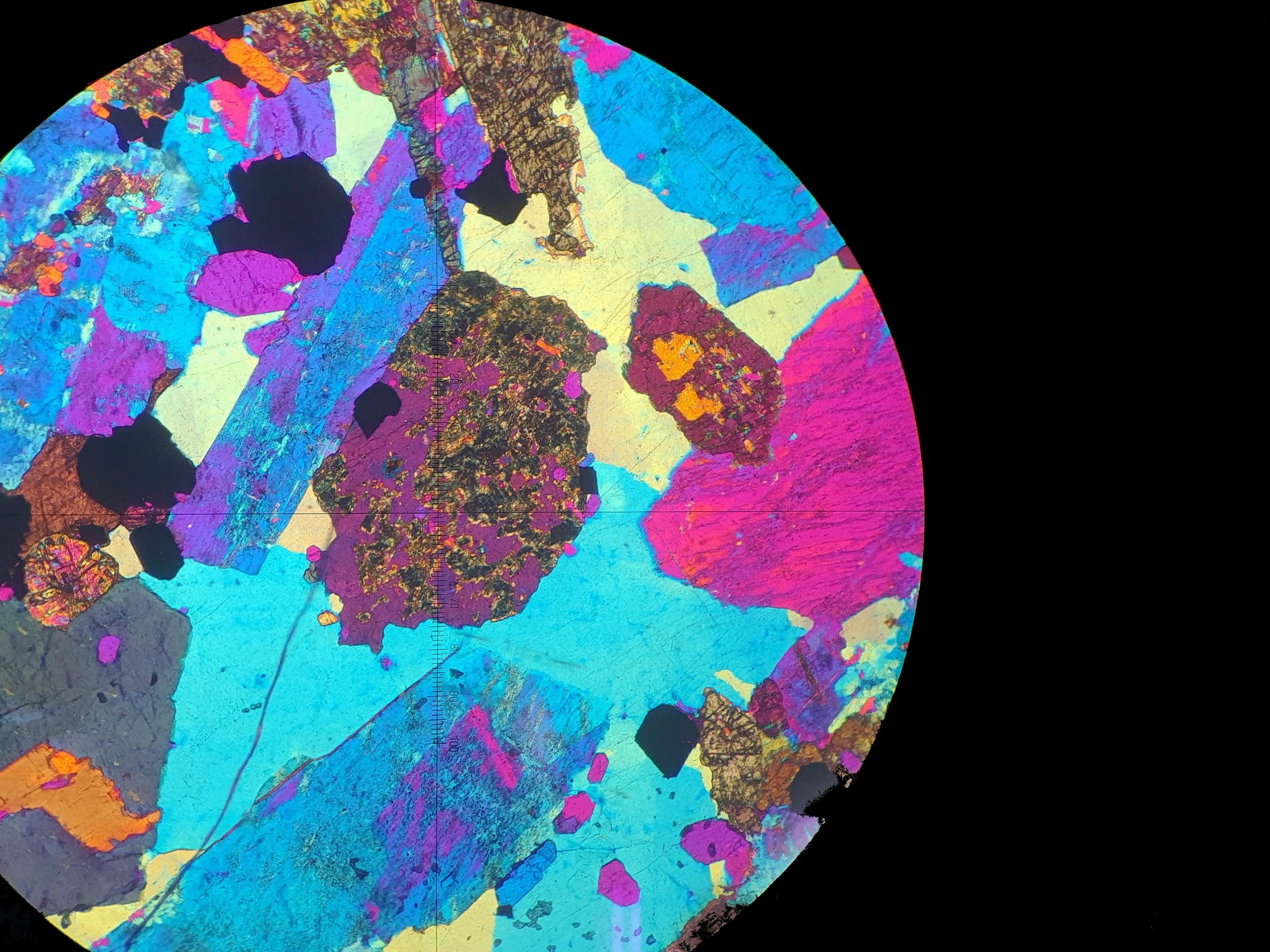
Thin sections, XRD/XRF, SEM/EDS, stable isotopes, and geologic mapping—how evidence is collected and checked. In plain terms: methods turn observations into testable measurements.
Key takeaways (overview)
1) Minerals control rock behavior. 2) Texture is your fastest clue. 3) Rock type reflects formation environment. 4) Layers record events. 5) Methods connect samples to time, processes, and place.