Table of Contents
Explore the site by topic. Each card opens a curated hub with the best next steps.
Tip: If you’re not sure where to begin, start with Geology, then open the three rock hubs (Igneous, Sedimentary, Metamorphic).
Explore the site by topic. Each card opens a curated hub with the best next steps.
Tip: If you’re not sure where to begin, start with Geology, then open the three rock hubs (Igneous, Sedimentary, Metamorphic).
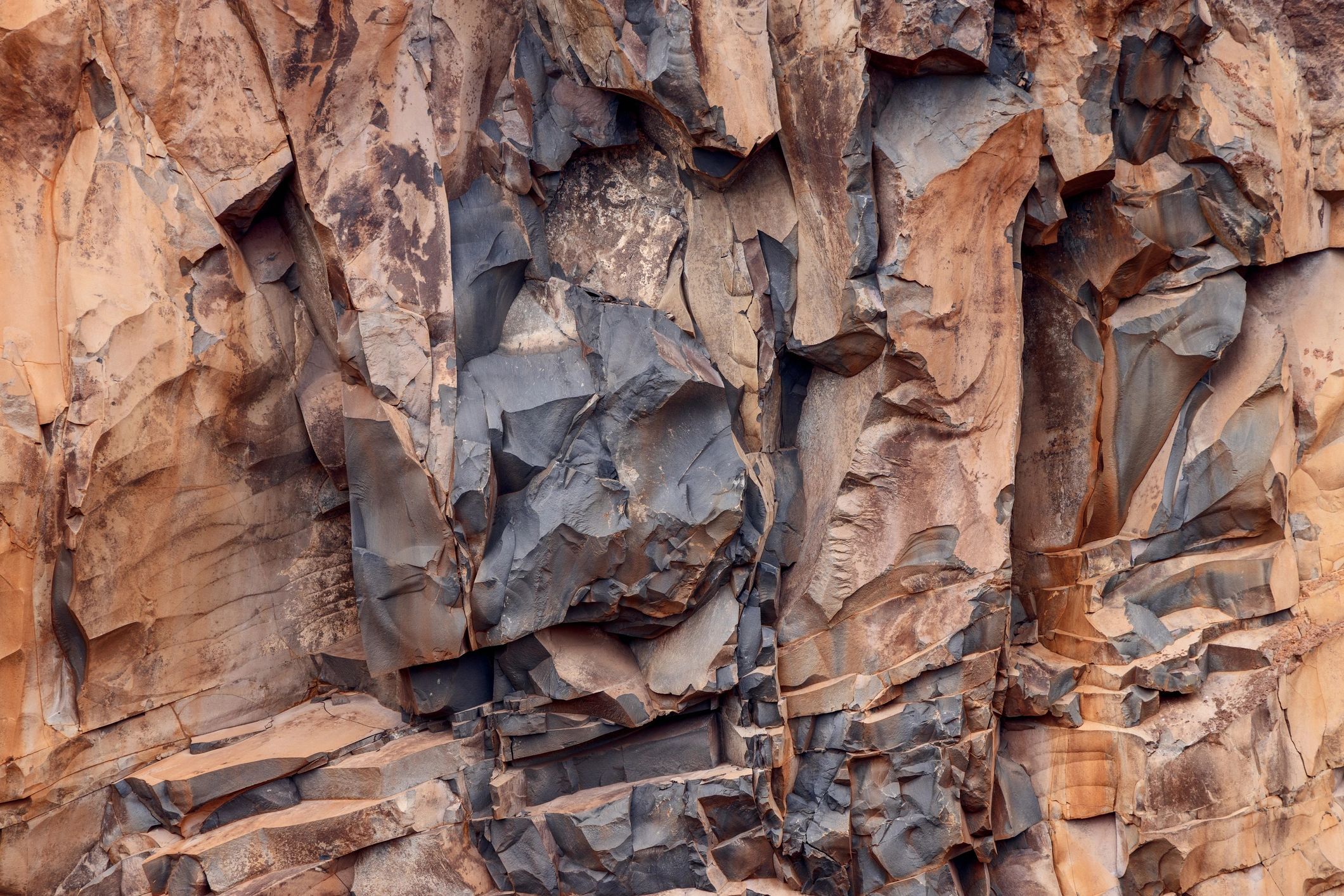
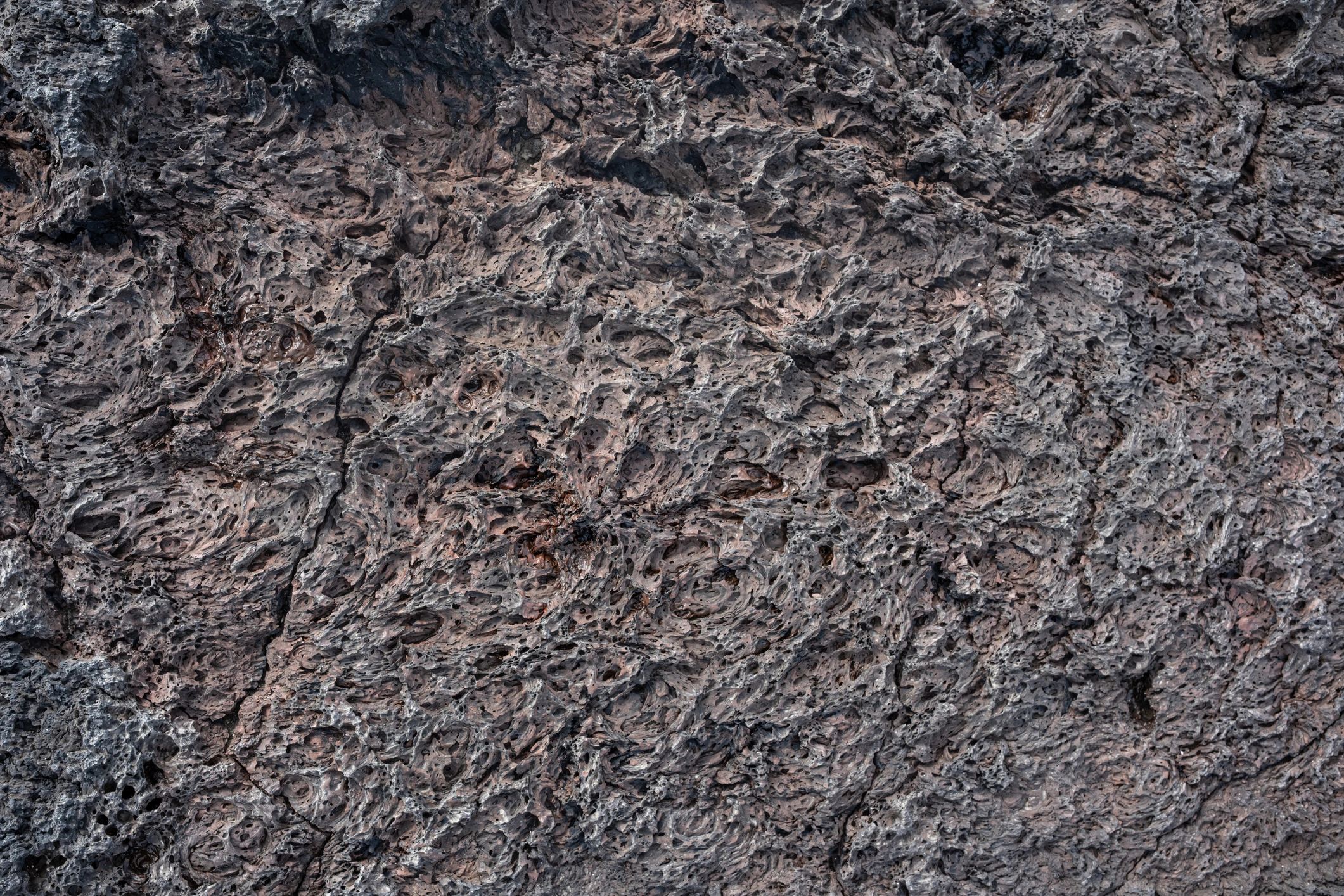
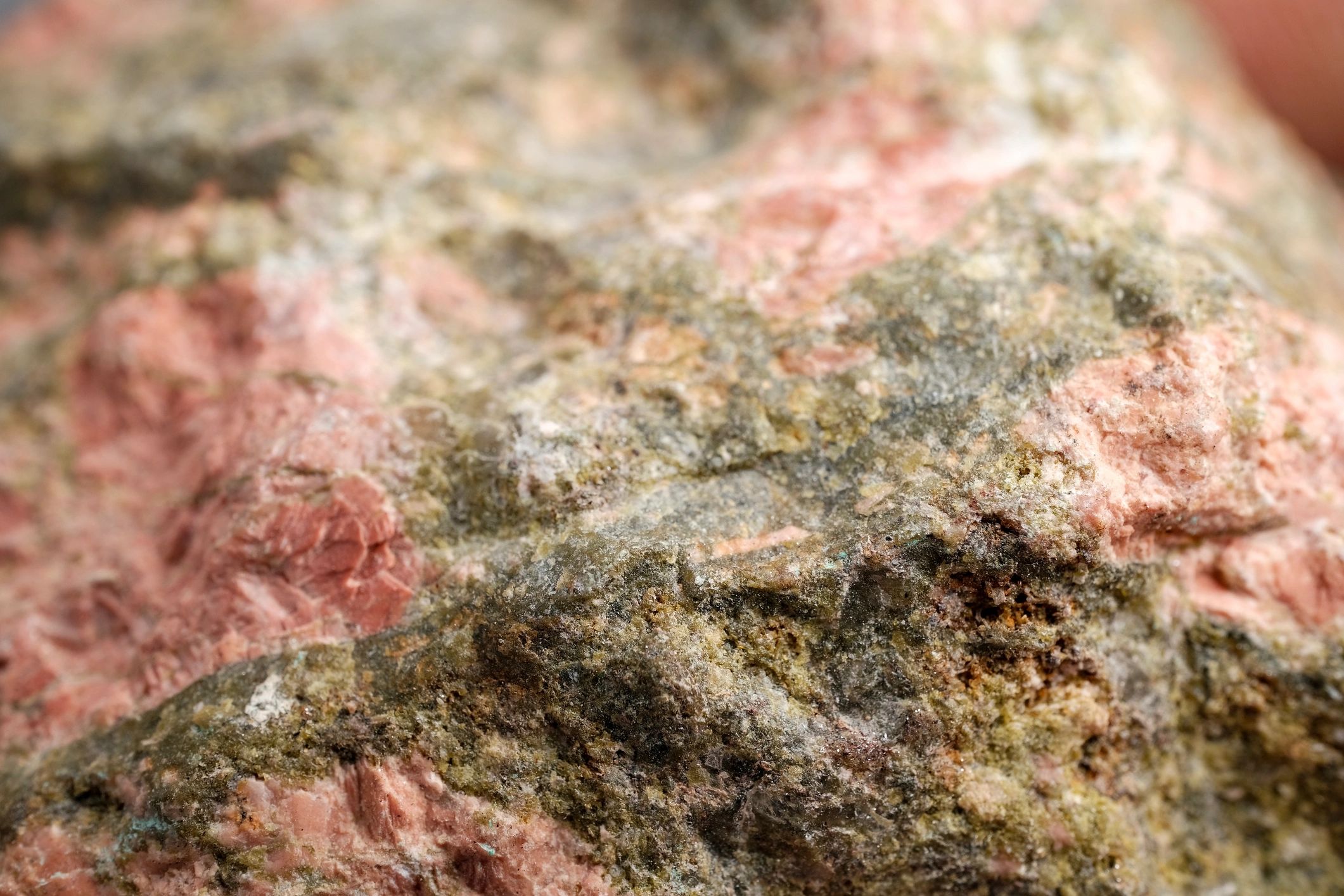
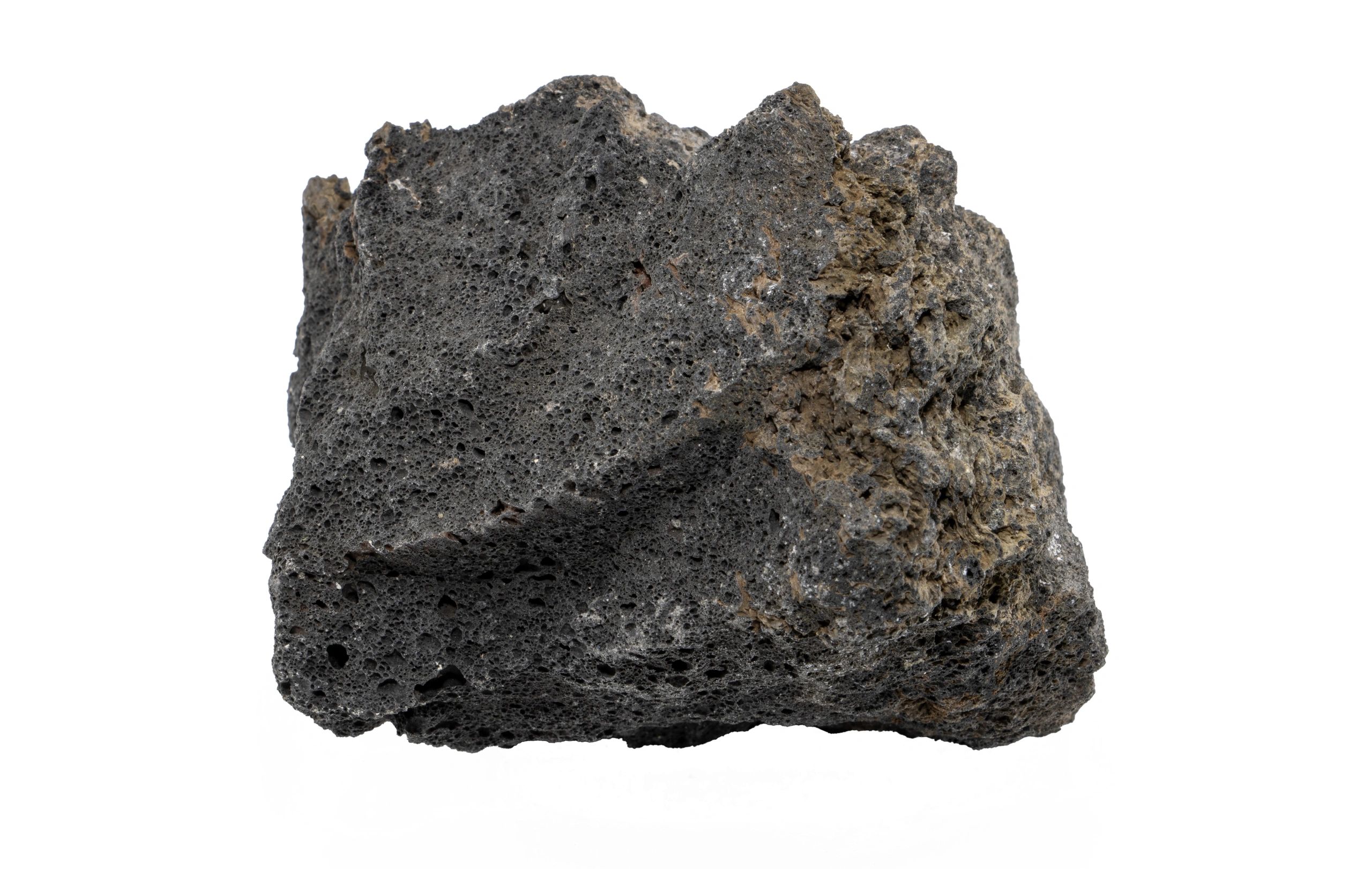
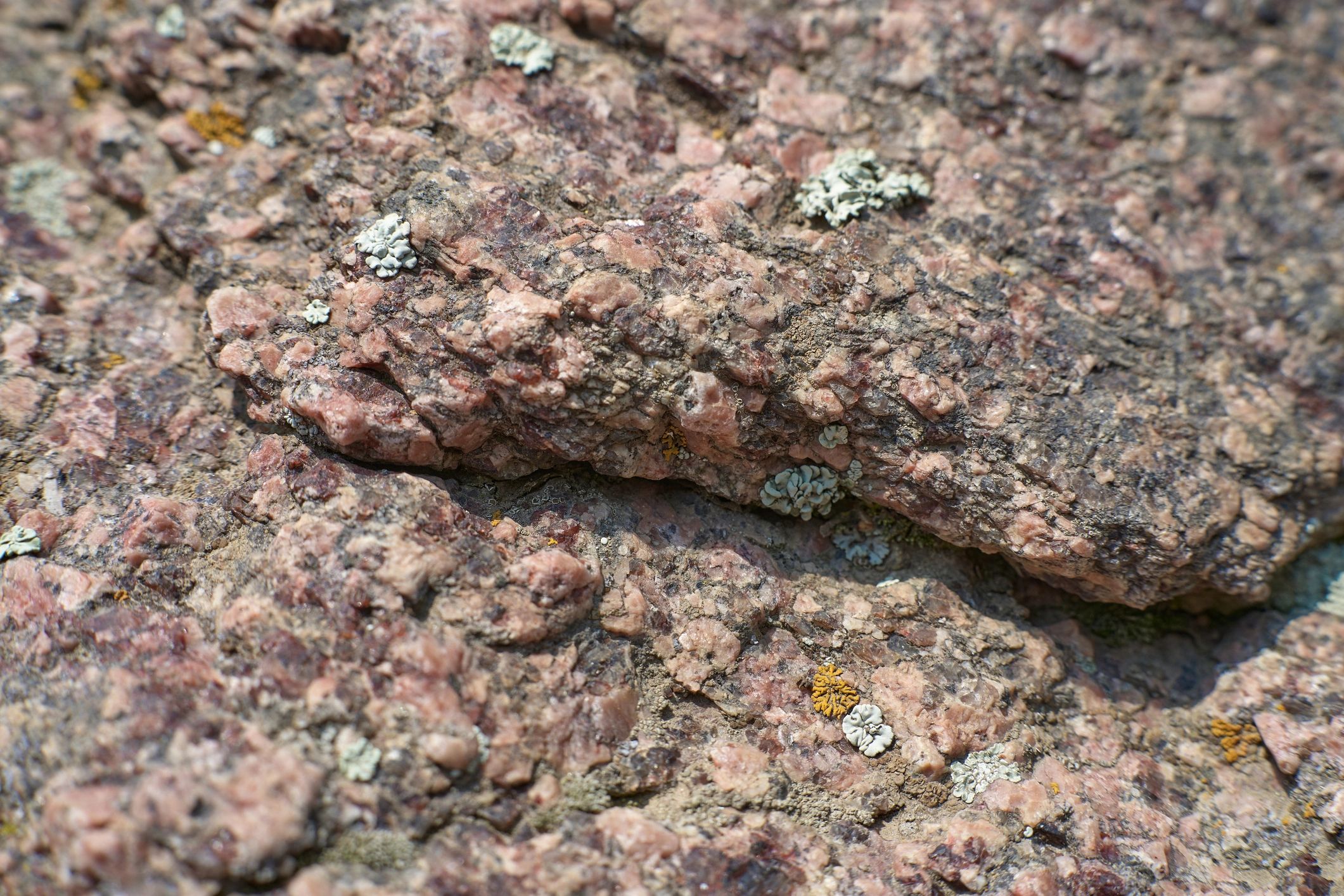
Formed by the cooling and crystallization of molten material. In scientific terms, igneous rocks are classified by texture (crystal size/arrangement) and composition (silica and mineral proportions). Common terms you’ll see: intrusive (plutonic), extrusive (volcanic), aphanitic, phaneritic, porphyritic, vesicular, glassy, and pyroclastic.
In plain terms: igneous rocks are “frozen melt.” Slow cooling underground makes bigger crystals; fast cooling at the surface makes tiny crystals or glass.
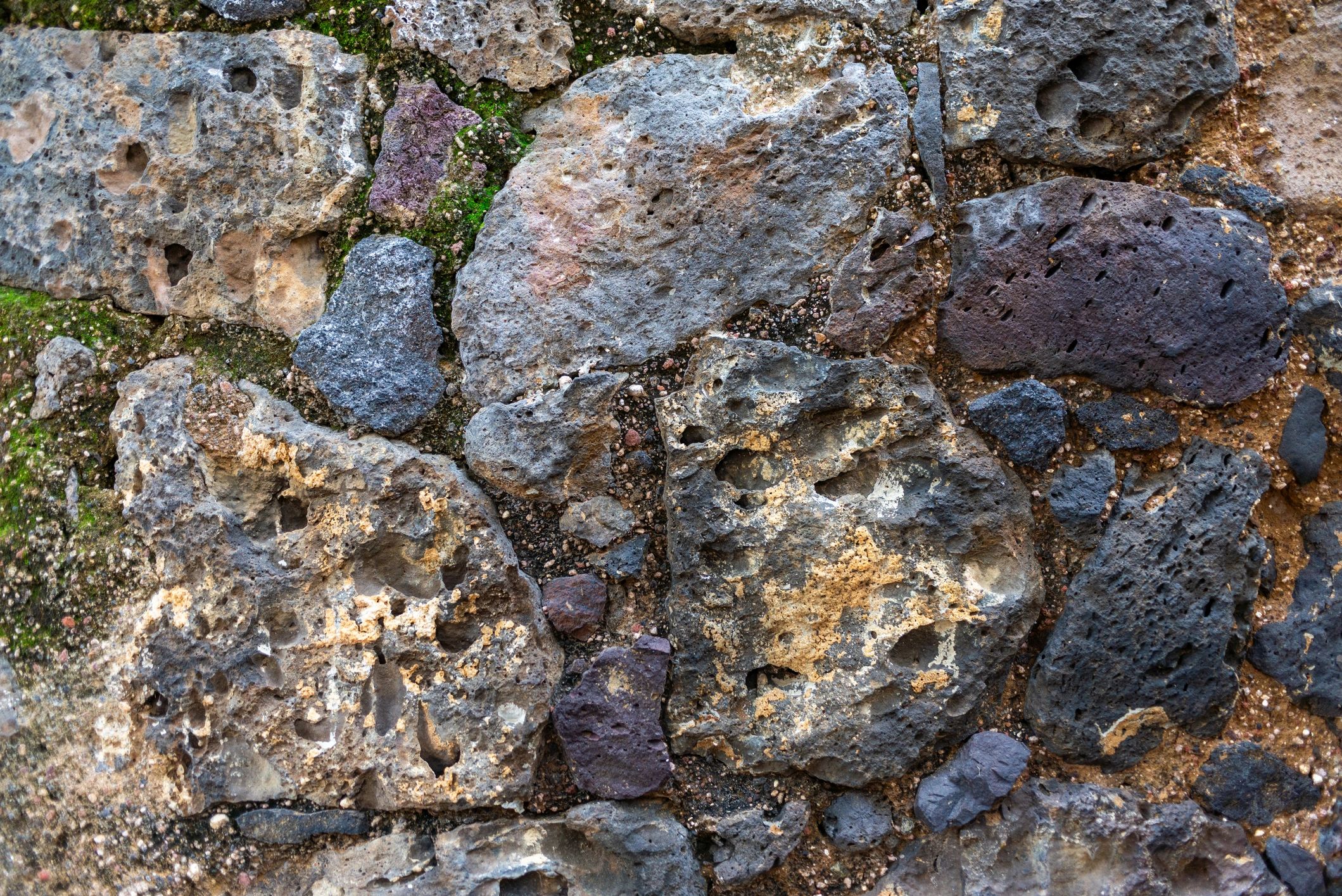
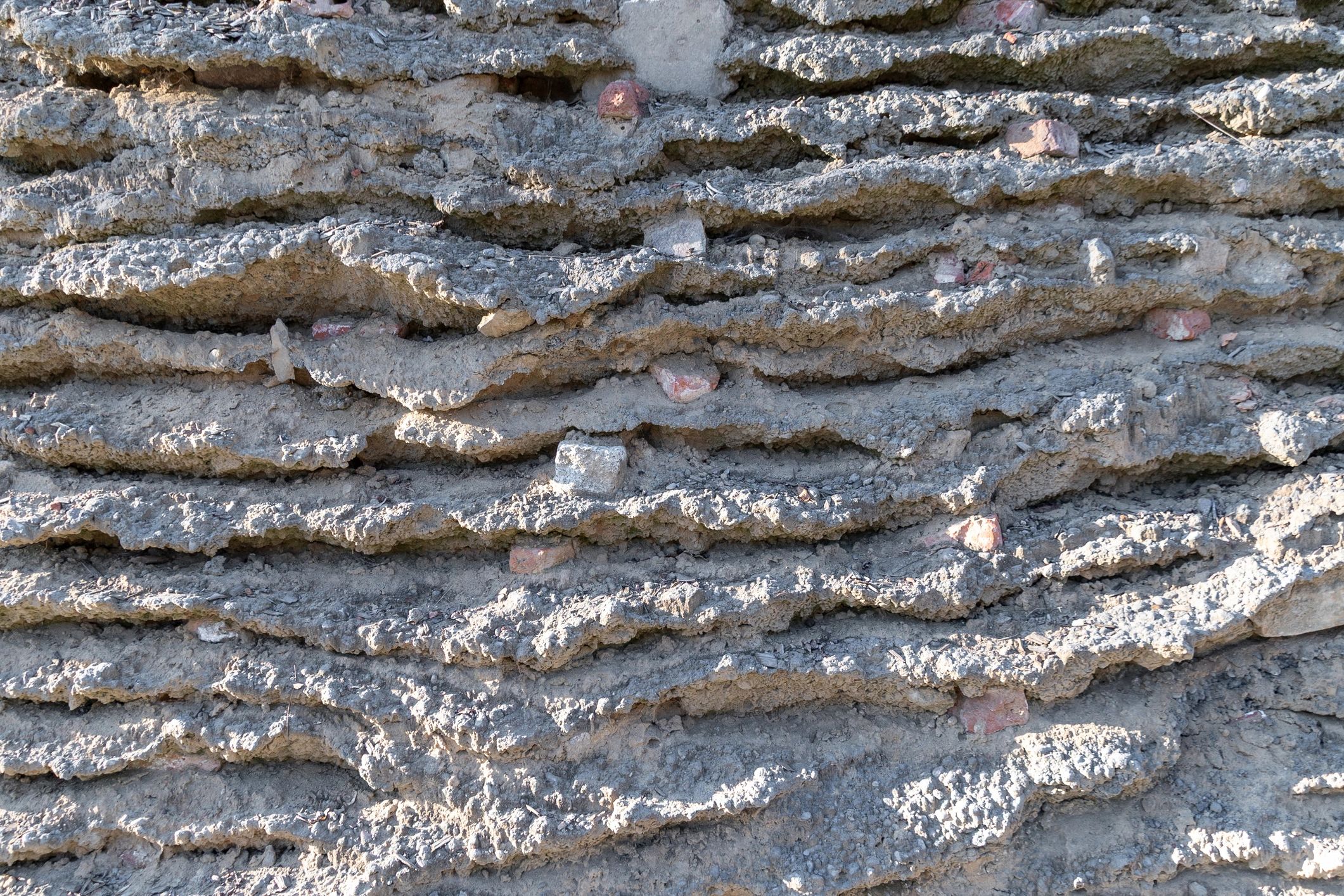
Formed by weathering, transport, deposition, and lithification (compaction + cementation), or by chemical/biochemical precipitation. Scientific terms you’ll see: clastic, carbonate, siliciclastic, grain size (clay–silt–sand–gravel), sorting, rounding, bedding, lamination, cross-bedding, graded bedding, and diagenesis.
In plain terms: sedimentary rocks are “made from pieces” (or precipitated minerals) that get buried and glued together over time.
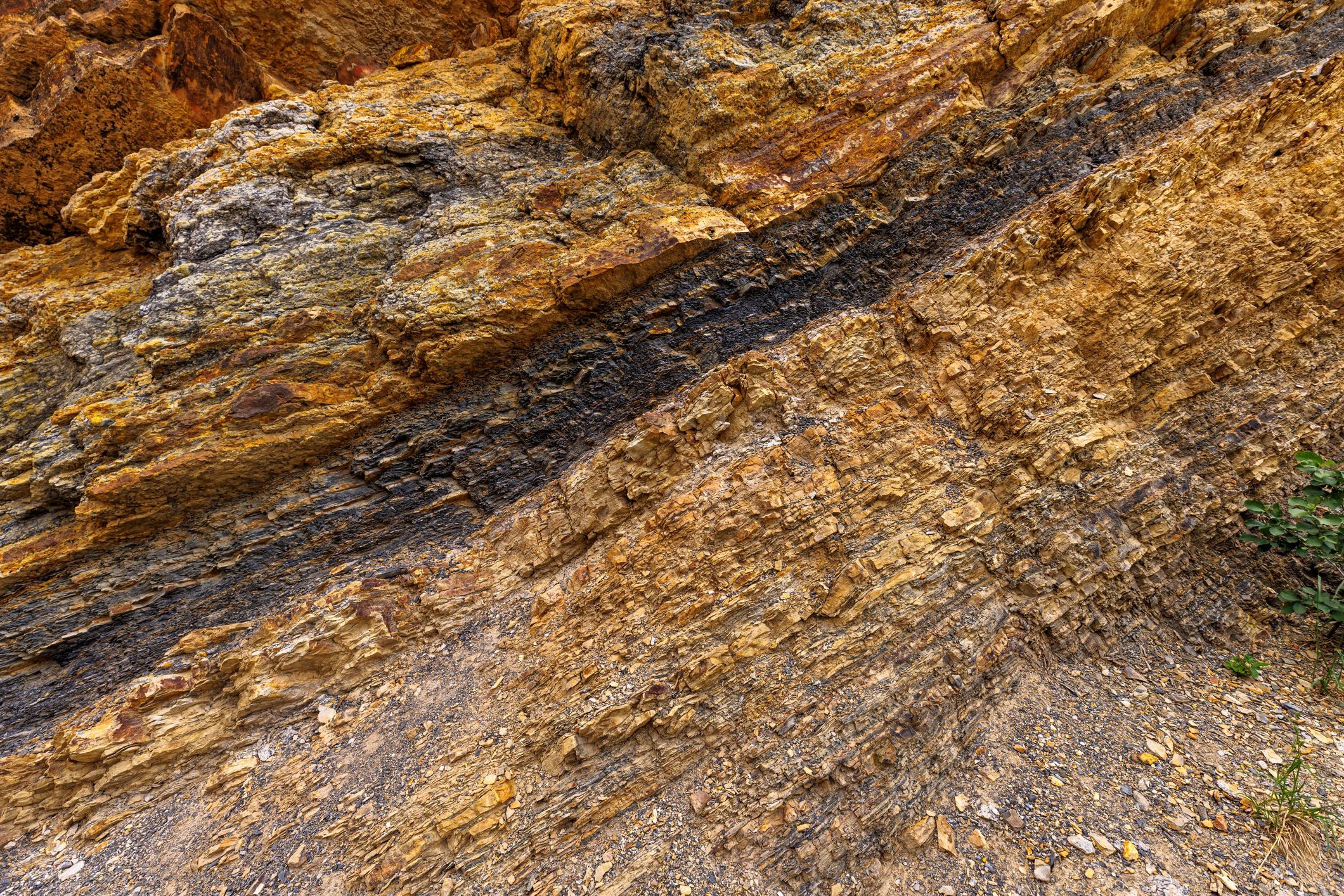
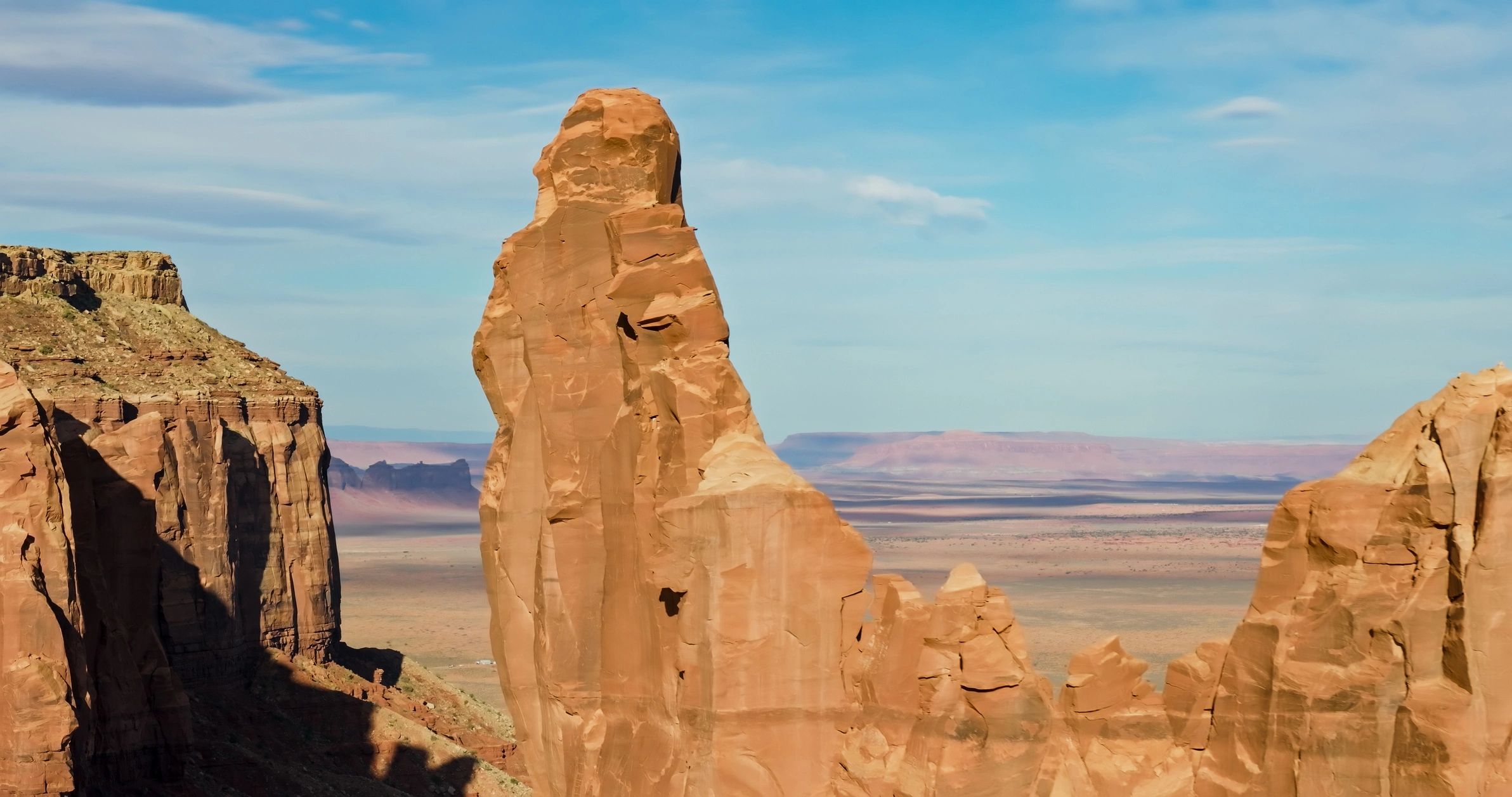
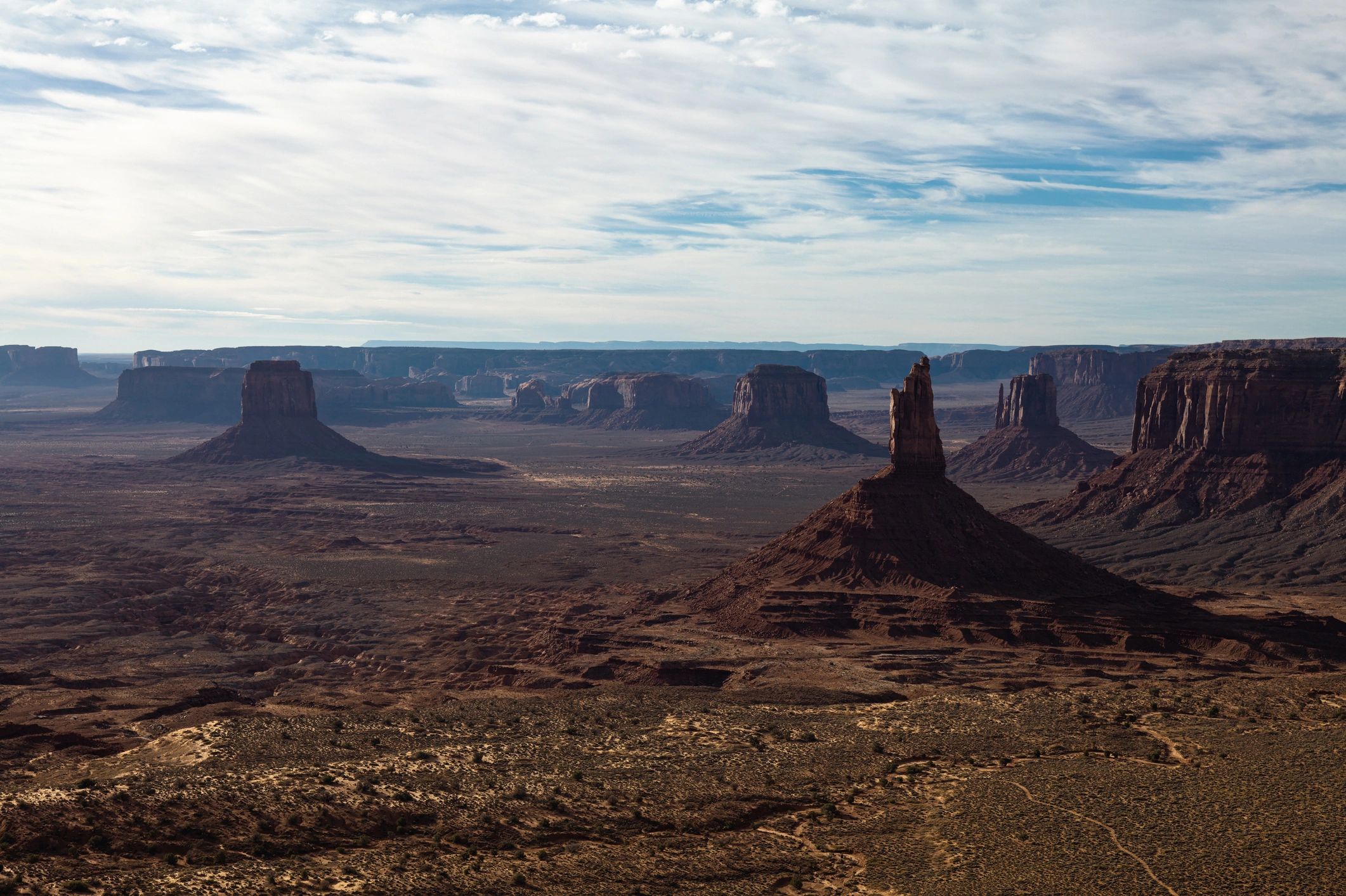
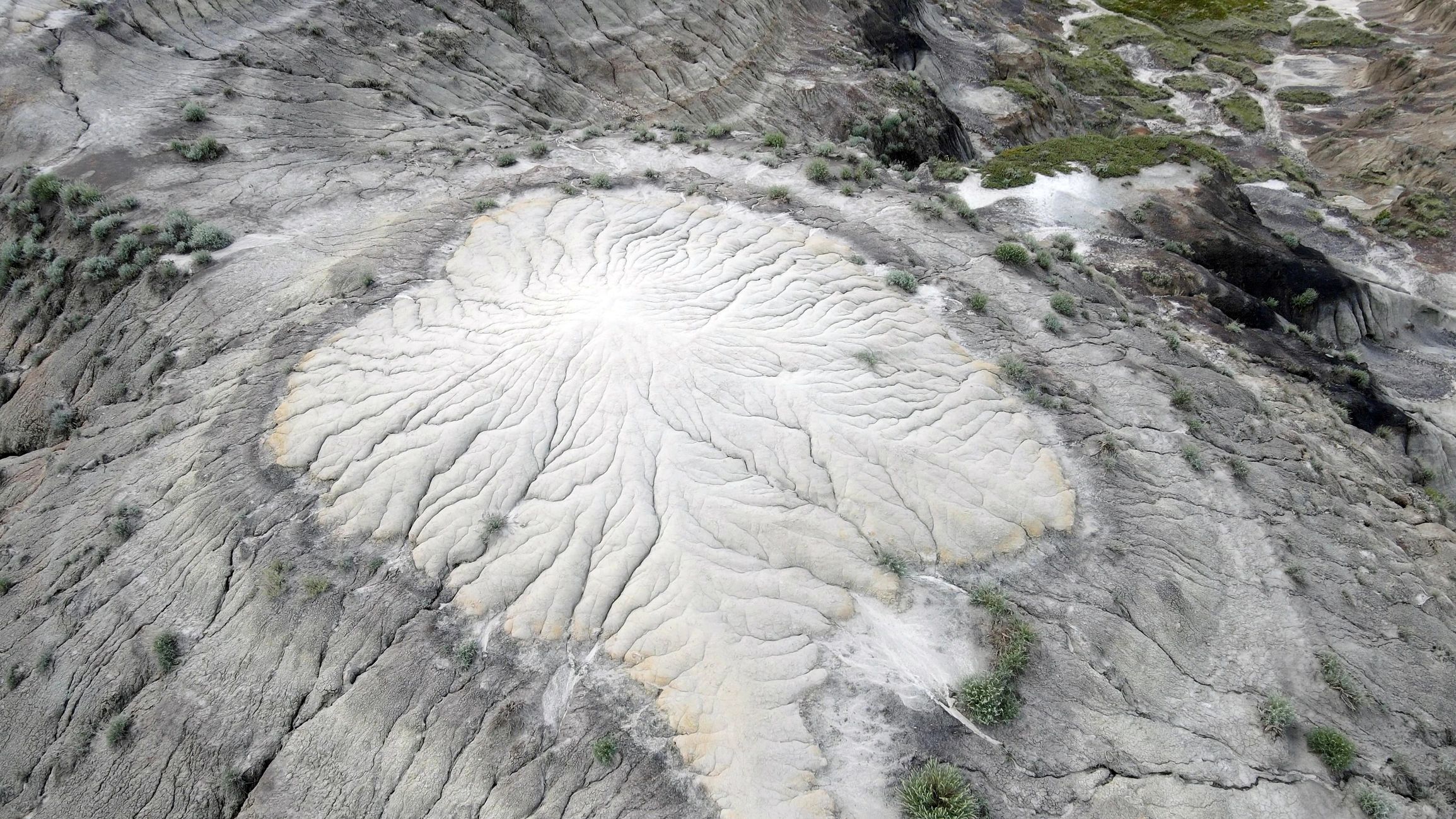
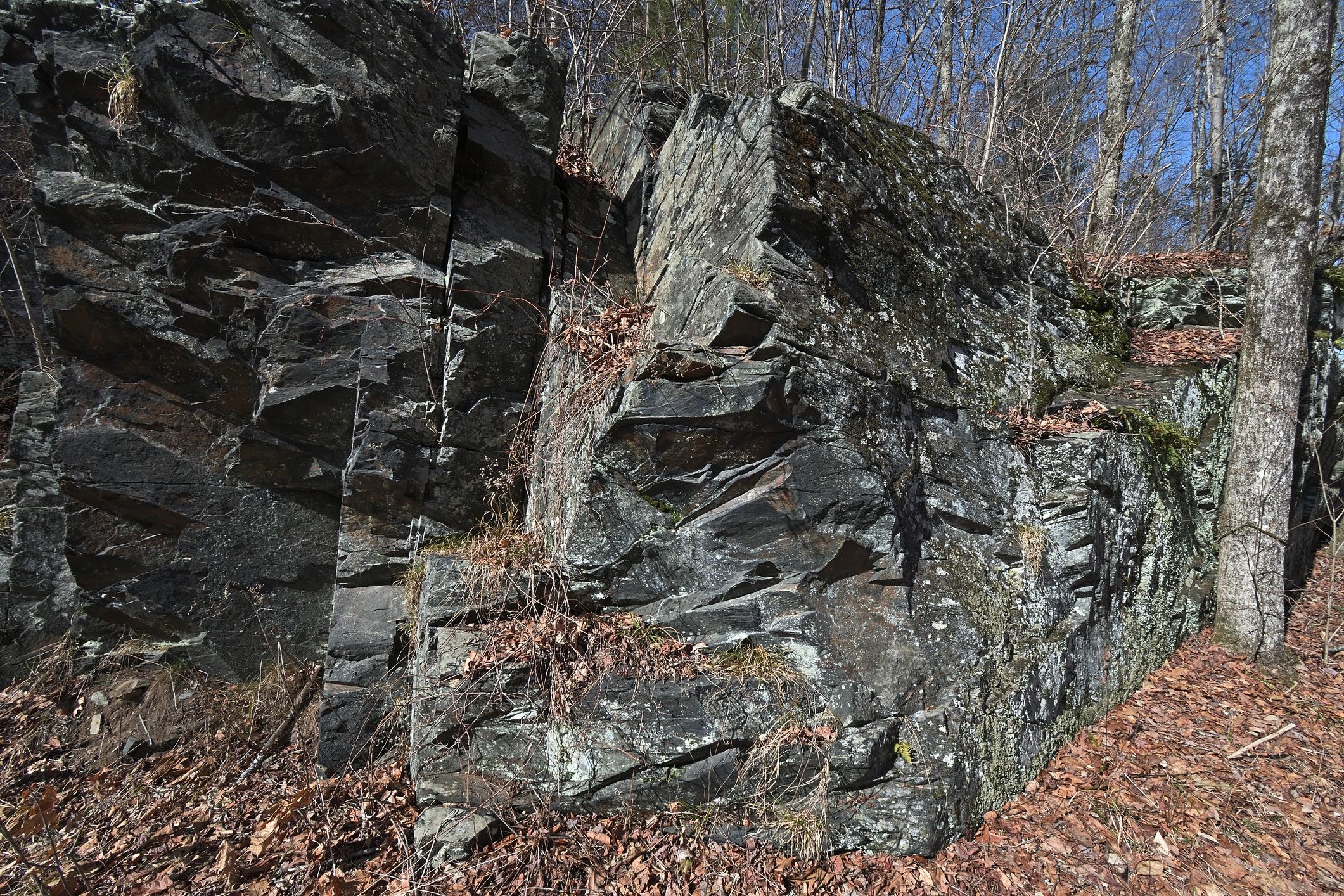
Formed when existing rocks are changed by heat, pressure, and chemically active fluids—without fully melting. Scientific terms you’ll see: protolith, metamorphic facies, metamorphic grade, foliation, lineation, schistosity, gneissic banding, recrystallization, and index minerals (e.g., garnet, staurolite, kyanite, sillimanite).
In plain terms: metamorphic rocks are “re-baked and re-squeezed” rocks—minerals reorganize, new minerals can grow, and textures can align.
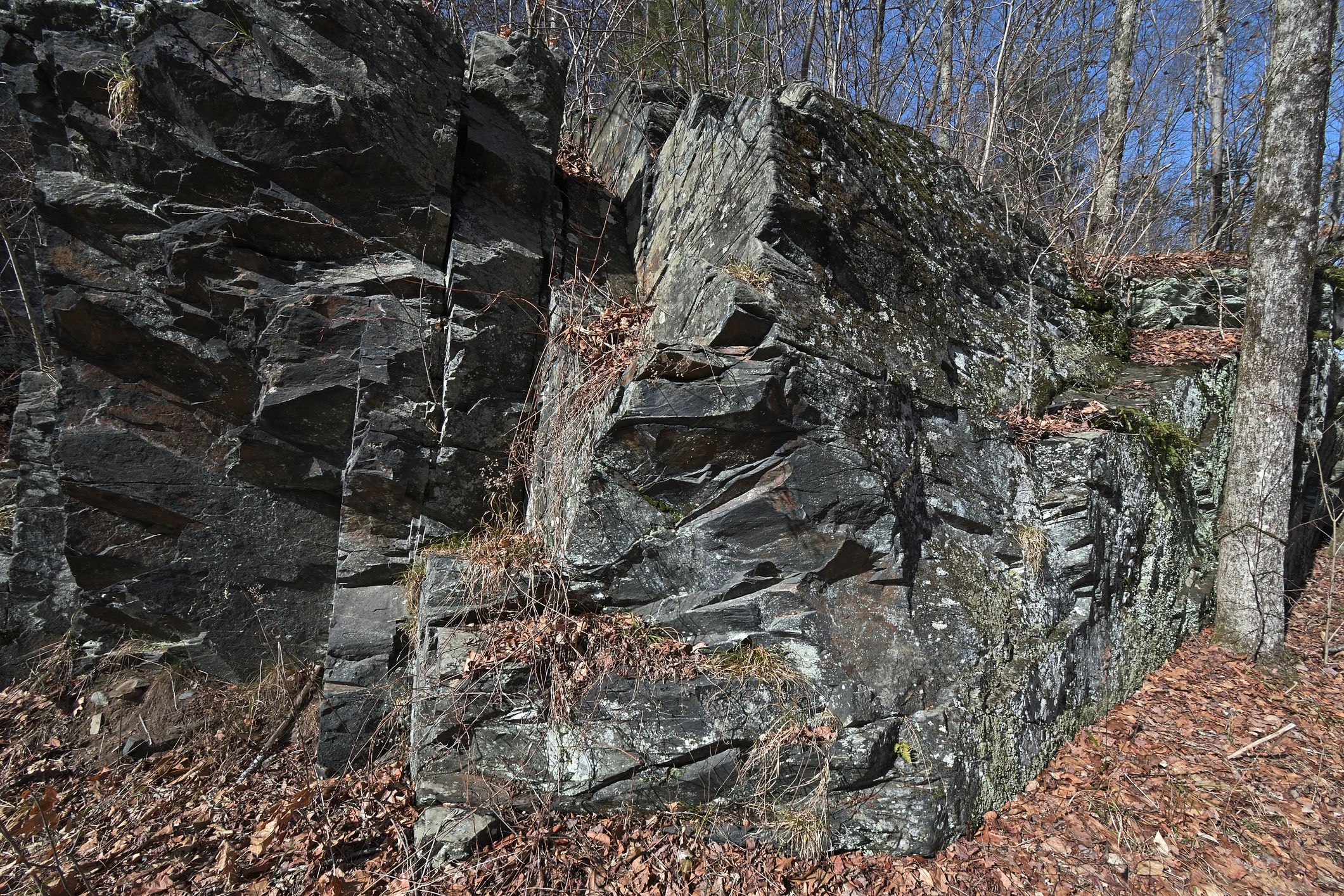
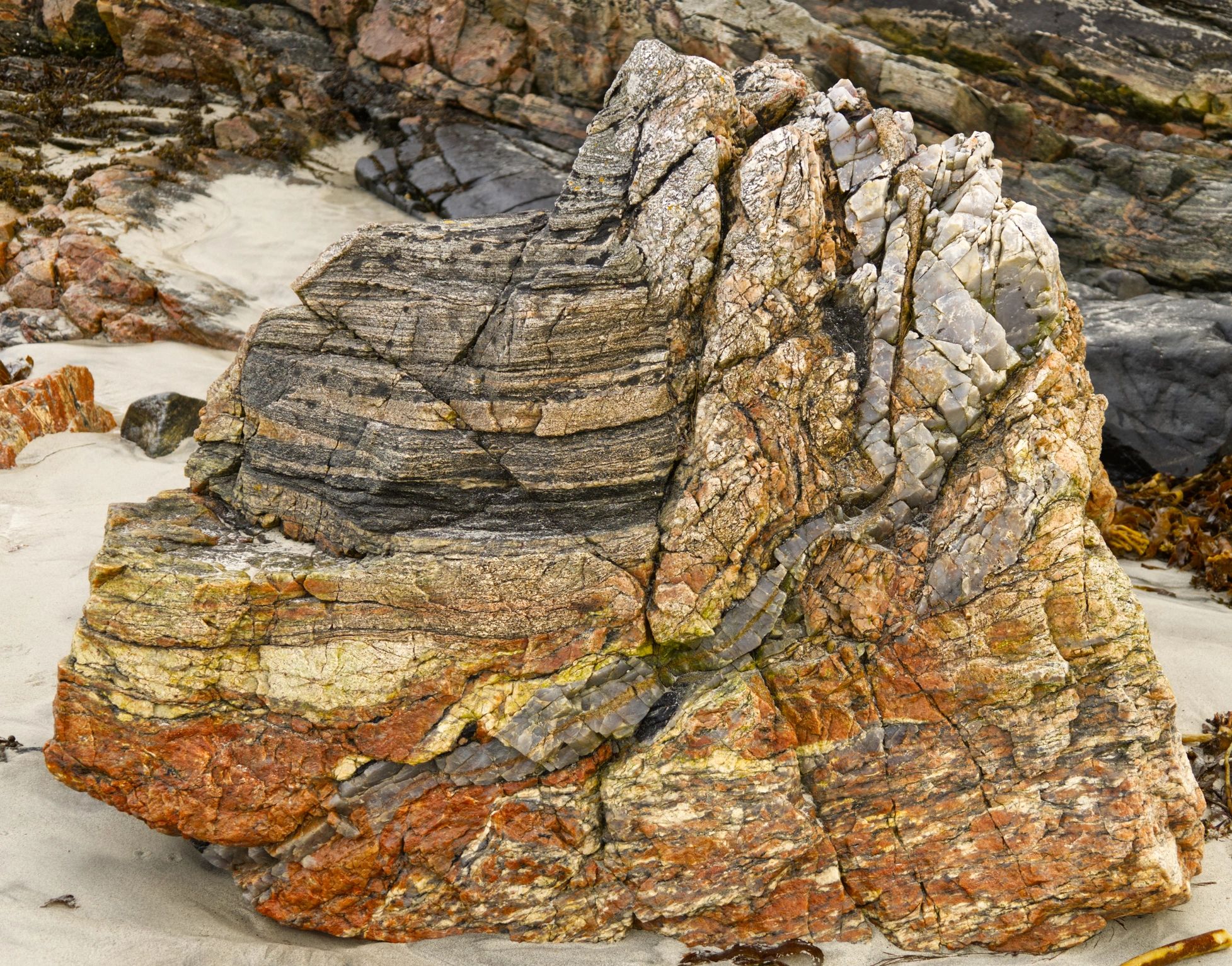
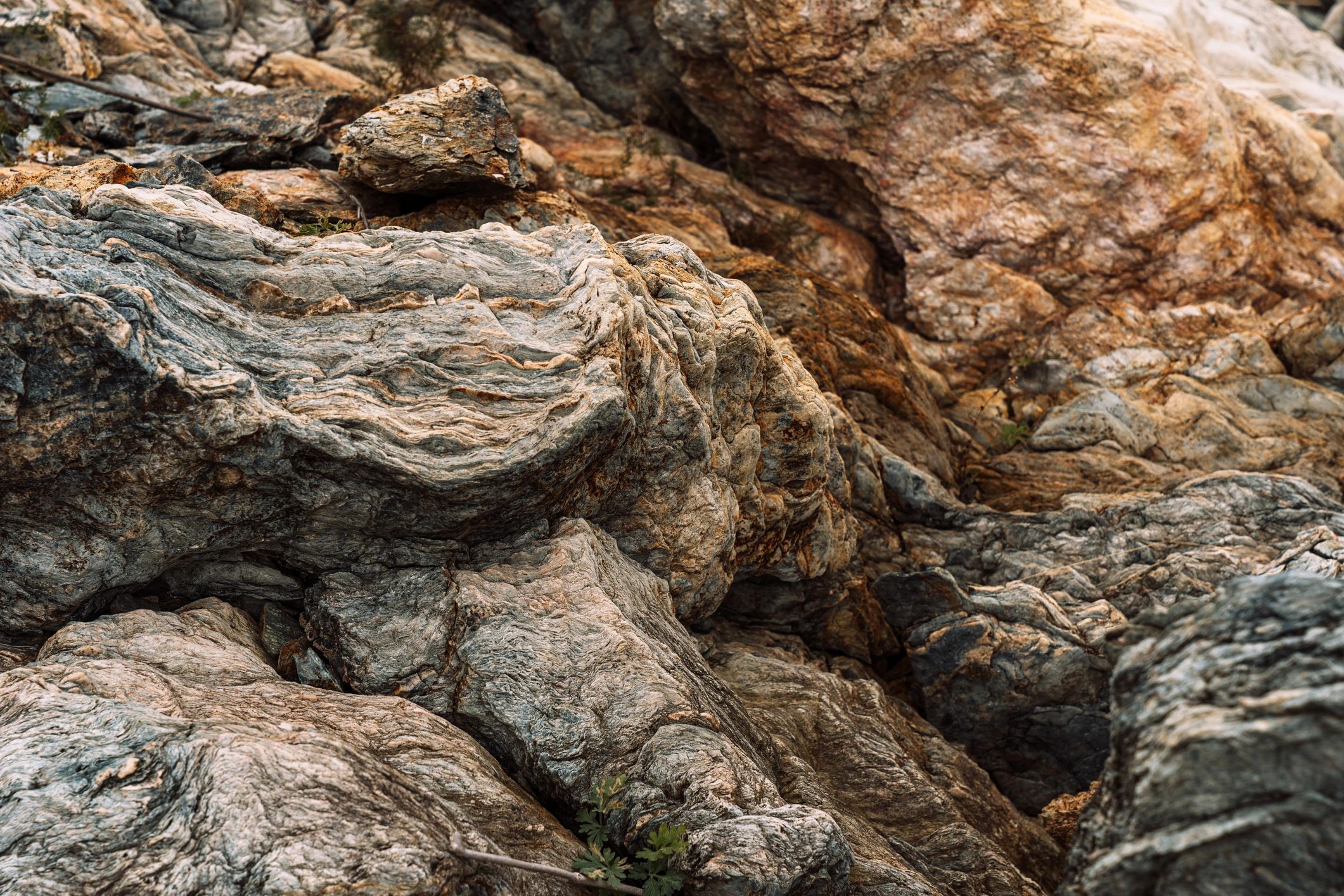
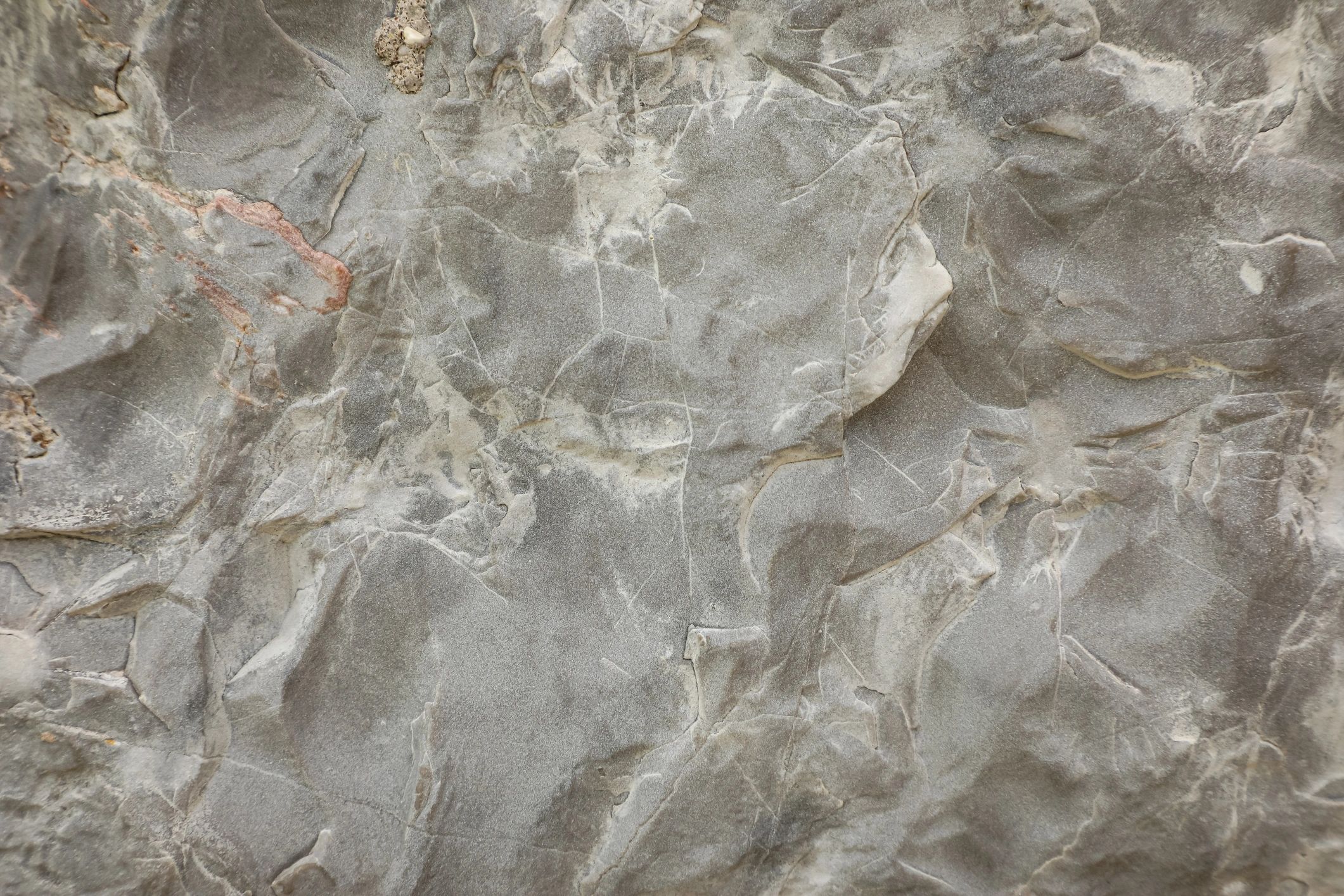
Browse collectible specimens, lapidary rough, slabs, decor stone, petrified wood, crystals, and more—curated by Ornamental Stones LLC.