Mineral Properties (Field Tests)
Back to Geology · Back to Minerals & Identification
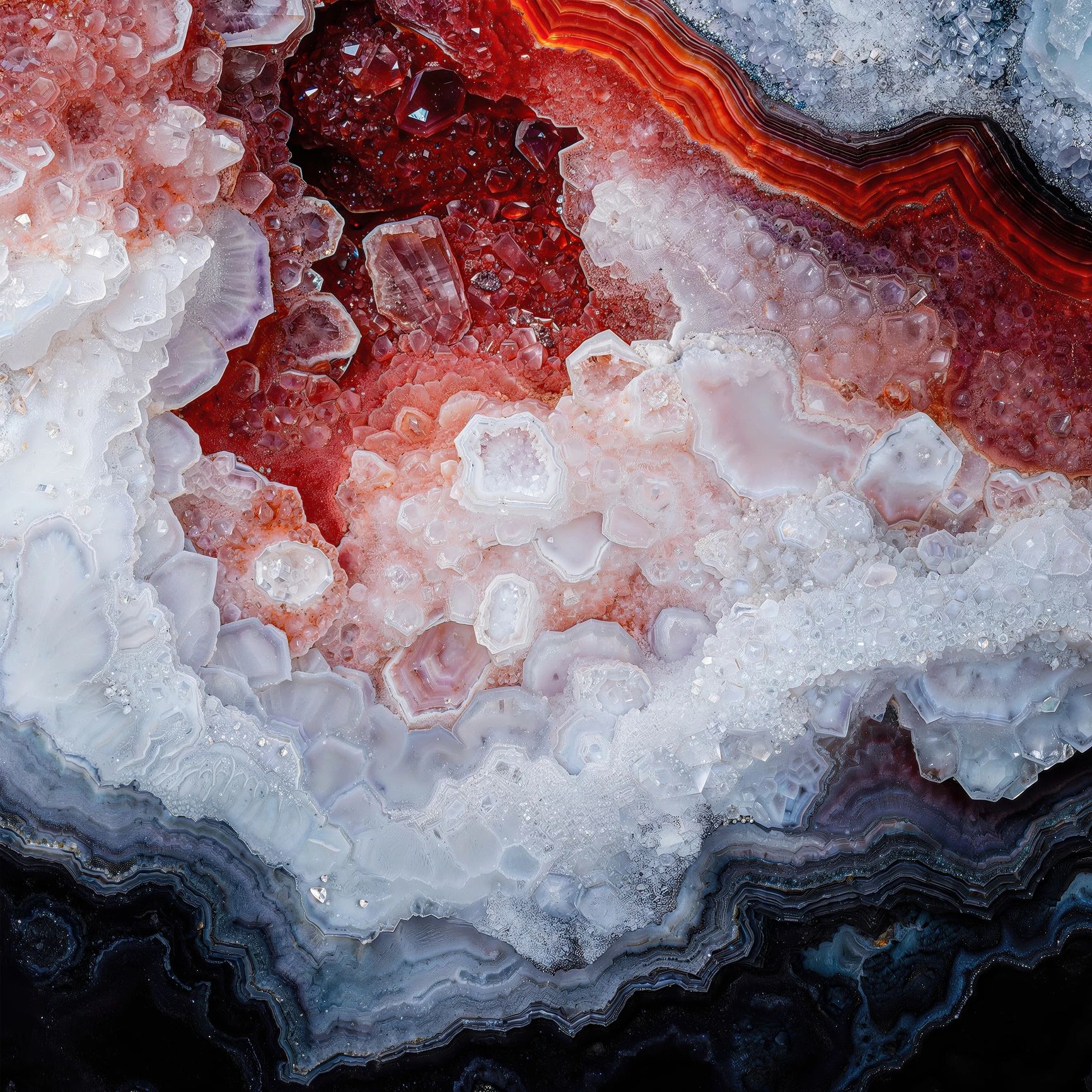
In plain terms
You don’t need a lab to start—most mineral IDs begin with a few repeatable tests and careful observation.
Core properties
- Hardness: scratch resistance (Mohs scale). Use a fingernail (~2.5), copper coin (~3), steel (~5.5), glass (~5.5).
- Streak: powder color on an unglazed porcelain plate—often more reliable than surface color.
- Luster: how it reflects light (metallic, vitreous, pearly, dull).
- Cleavage: breaks along flat planes (mica sheets, calcite rhombs). Fracture is irregular breaking (conchoidal in quartz).
- Density: “heft” can separate lookalikes (barite vs. quartz).
- Magnetism: quick check for magnetite and some iron-rich minerals.
- Acid reaction: dilute acid fizzes on calcite-rich rocks (limestone, marble).
Key takeaways
- Start with hardness + streak + cleavage/fracture.
- Surface color can mislead—streak and luster help.
- Acid reaction is a powerful carbonate test.
- Record results; repeatability matters.
- Use context (host rock, location) to refine the ID.