Origins
California stones & rock sources
A field-guide style overview of California’s major geologic provinces and the materials they’re known for—plus how to shop specimens and lapidary rough from Ornamental Stones LLC.
Overview
Why California matters
California spans active plate boundaries, ancient continental crust, and young volcanic fields. That range creates an unusually broad mix of igneous, metamorphic, and sedimentary materials—many of them iconic in collecting, lapidary, and decor stone.
Use this page to orient yourself by province, then follow the “known for” cues to explore related stone types in our encyclopedia and shop listings.
California geologic provinces at a glance
A practical map of where common collecting and lapidary materials tend to come from—organized by landscape and process.
Sierra Nevada
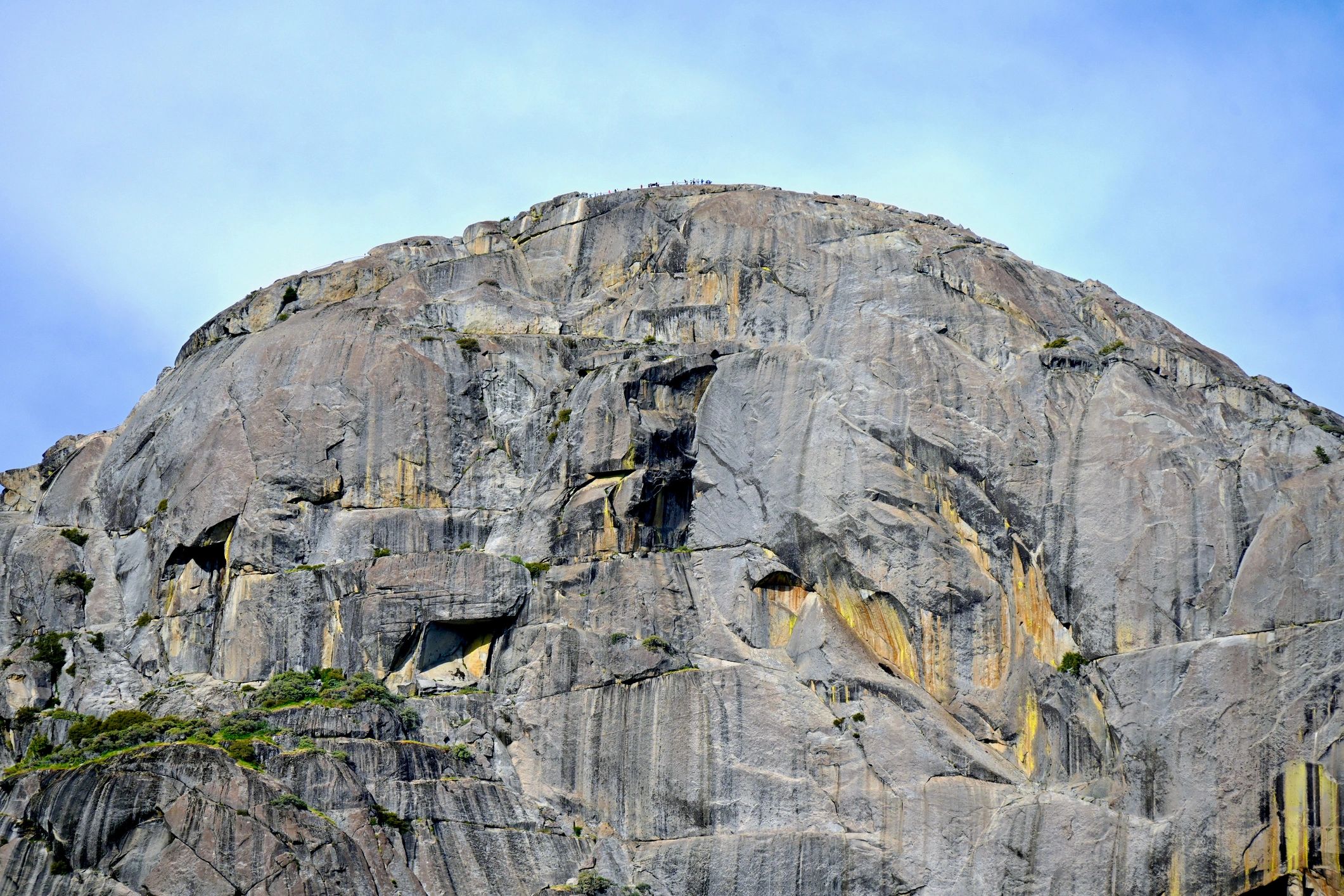
Granite batholiths, pegmatites, and metamorphic roof pendants—good context for quartz, feldspar, mica, and contact-metamorphic minerals.
Coast Ranges
Accretionary complexes and serpentinite belts—helpful for understanding jade-adjacent materials, greenstones, and tectonic mélanges.
Great Valley
Thick sedimentary sequences—sandstones, shales, and fossil-bearing units that frame many “stone story” specimens.
Mojave Desert
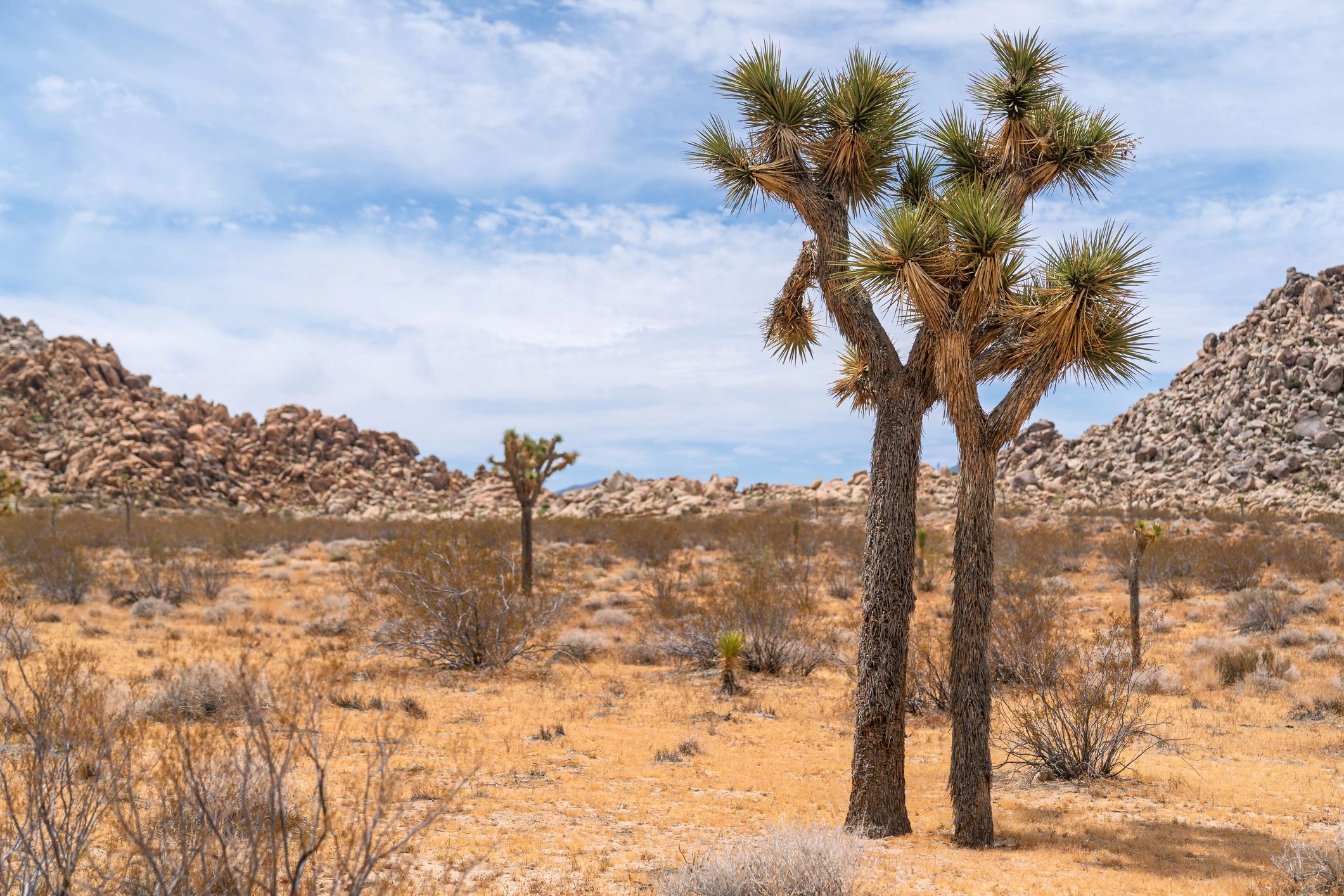
Desert varnish, volcanic fields, and mineral districts—classic terrain for jasper, agate, and colorful silica.
Transverse & Peninsular Ranges
Complex faulting and metamorphic belts—useful for learning about schist, gneiss, and related mineral assemblages.
Cascades & Modoc Plateau
Young volcanism—basalt, andesite, obsidian, and volcanic glass contexts for identification and sourcing.
Gallery
California textures
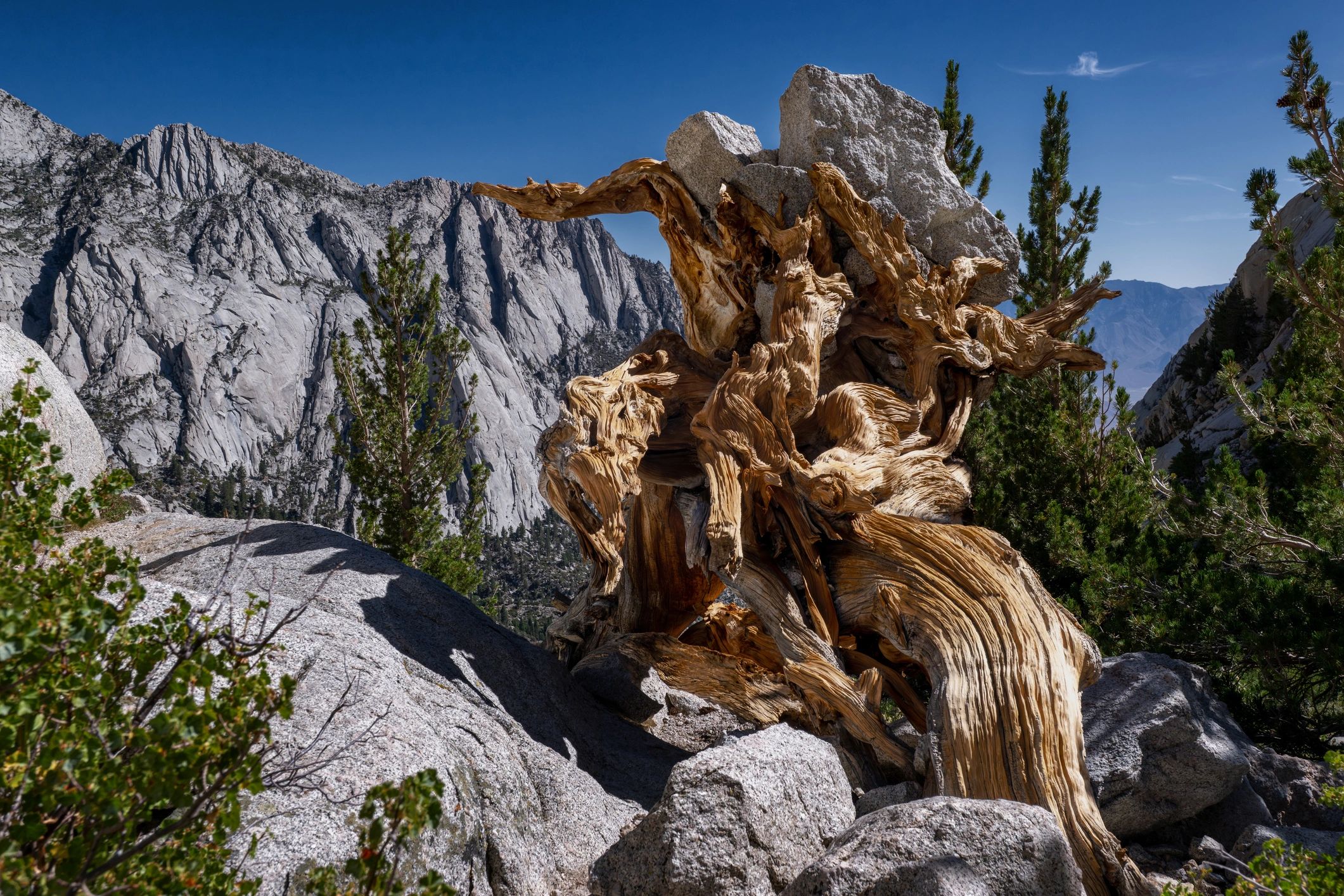
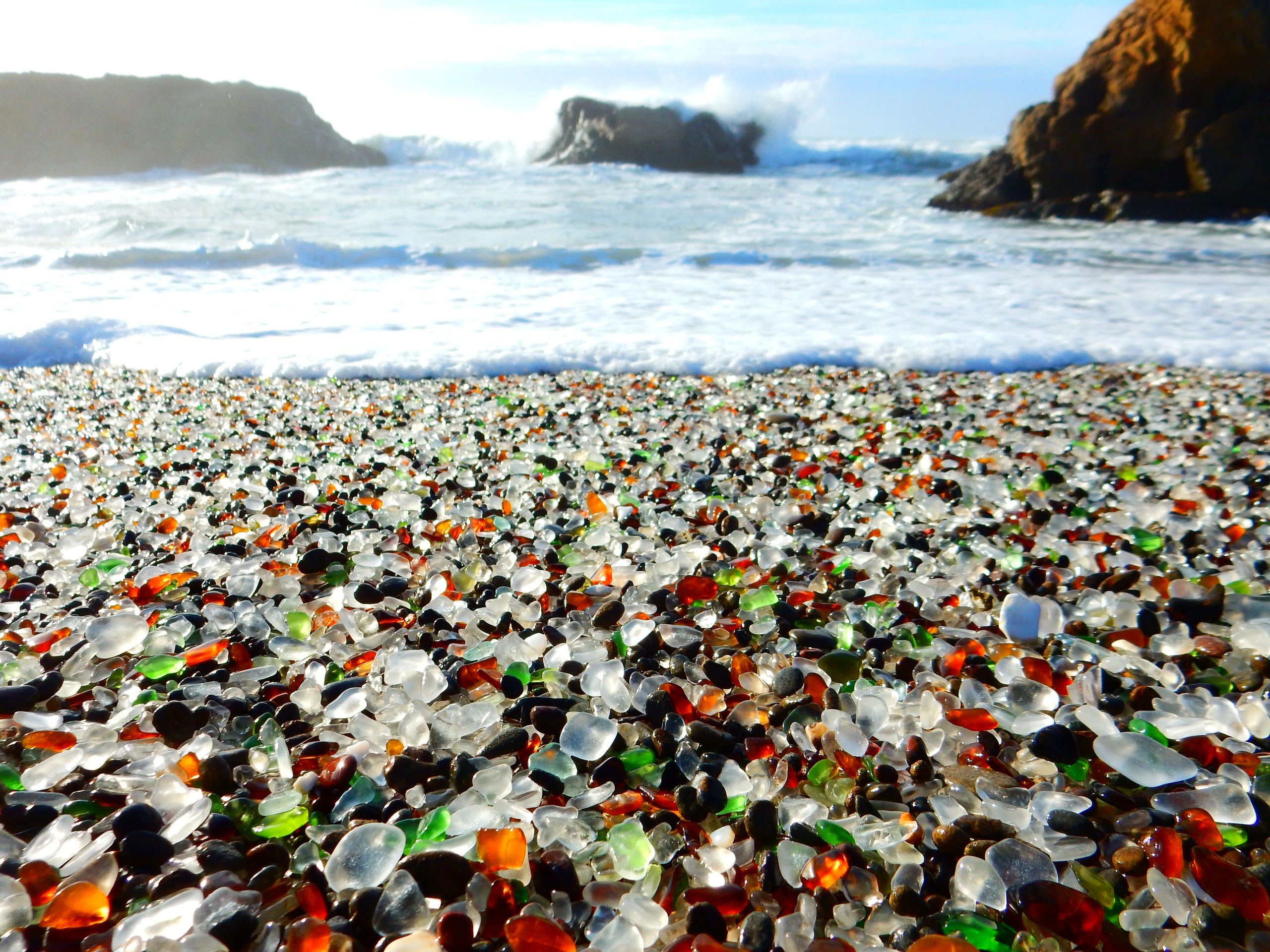
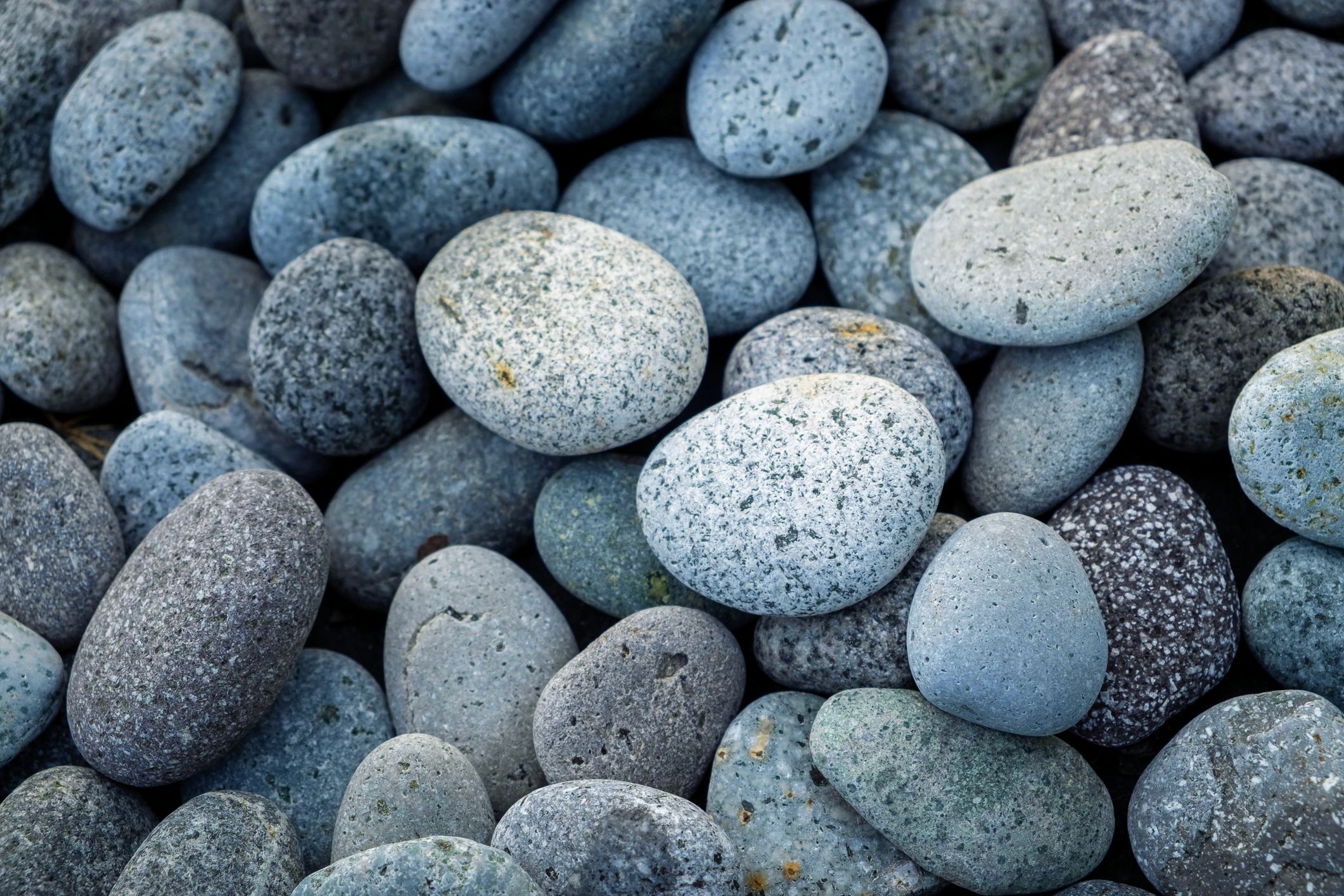
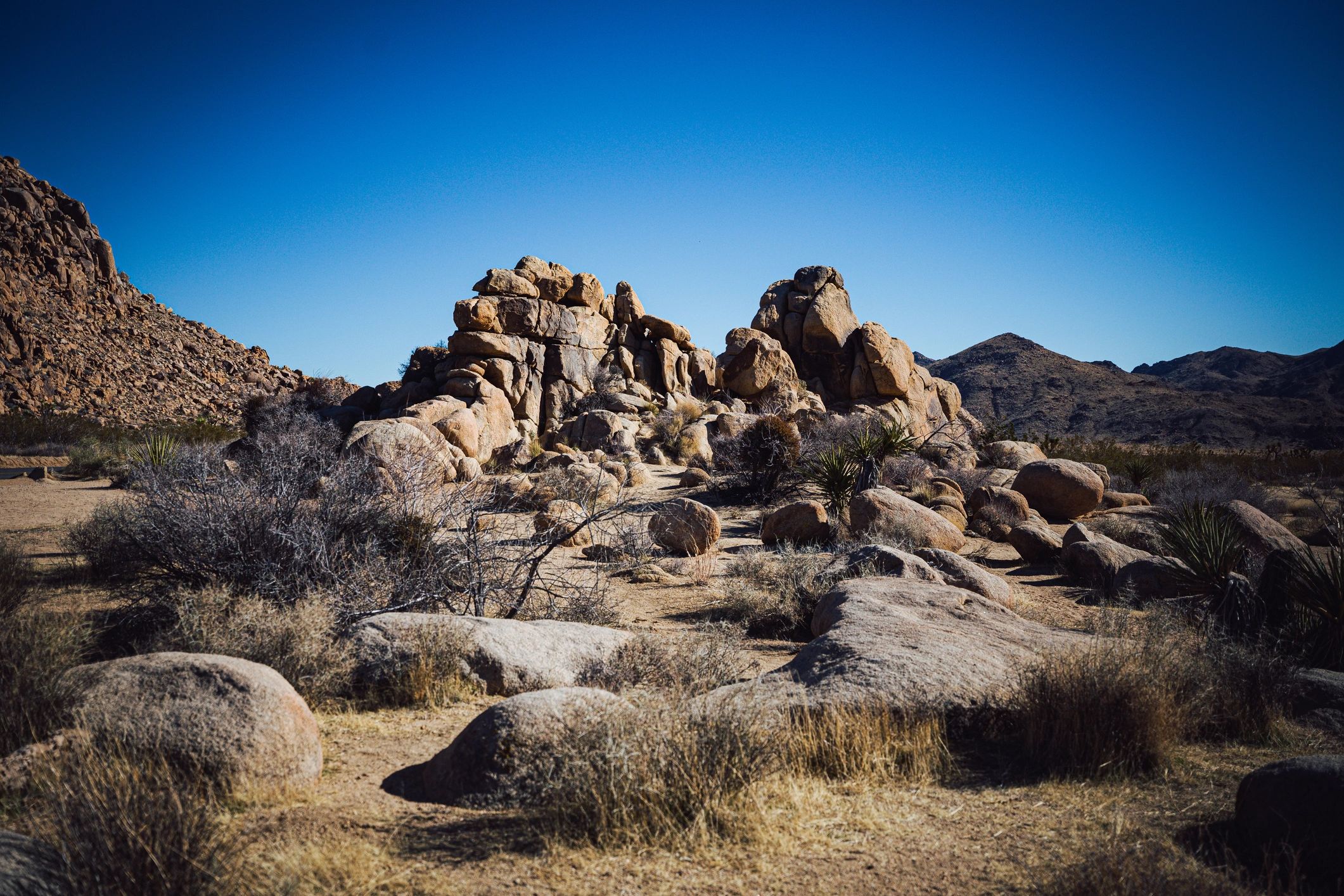
From granite domes to desert boulder fields and wave-tumbled pebbles—use surface texture as your first identification clue.