Stone Science
A science-first guide to rocks, minerals, and the terminology geologists use to describe them—classification, properties, textures, and processes.
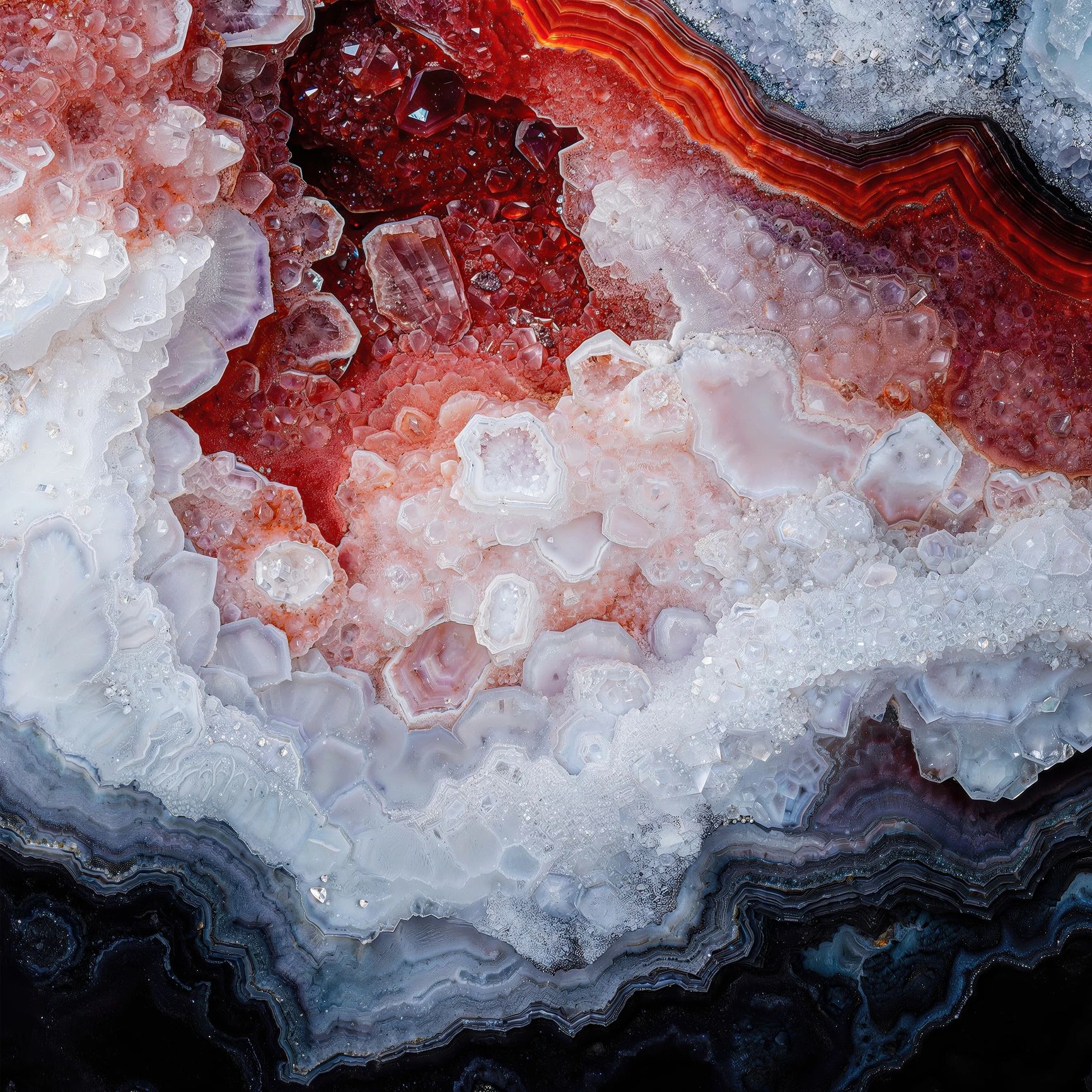
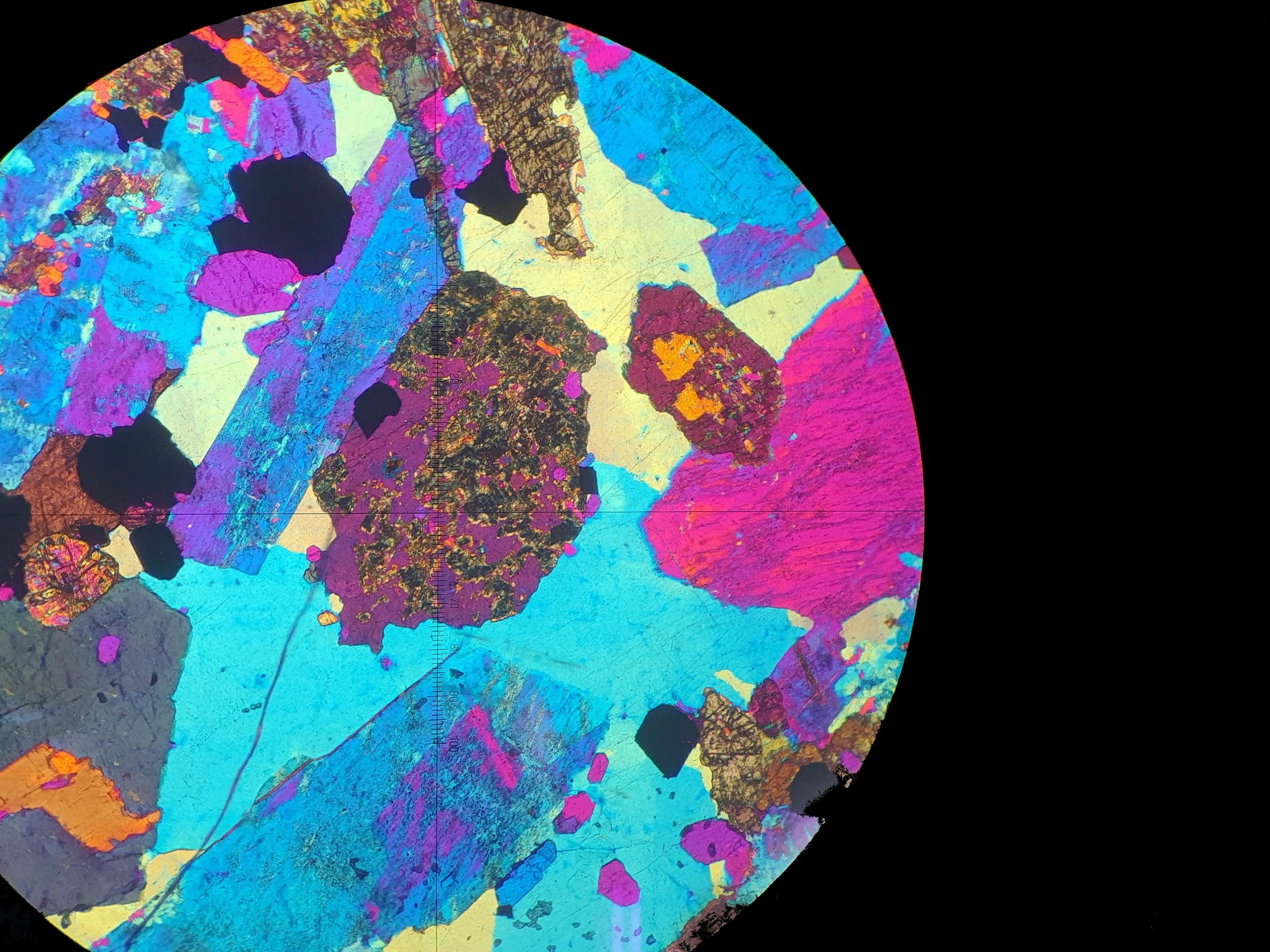
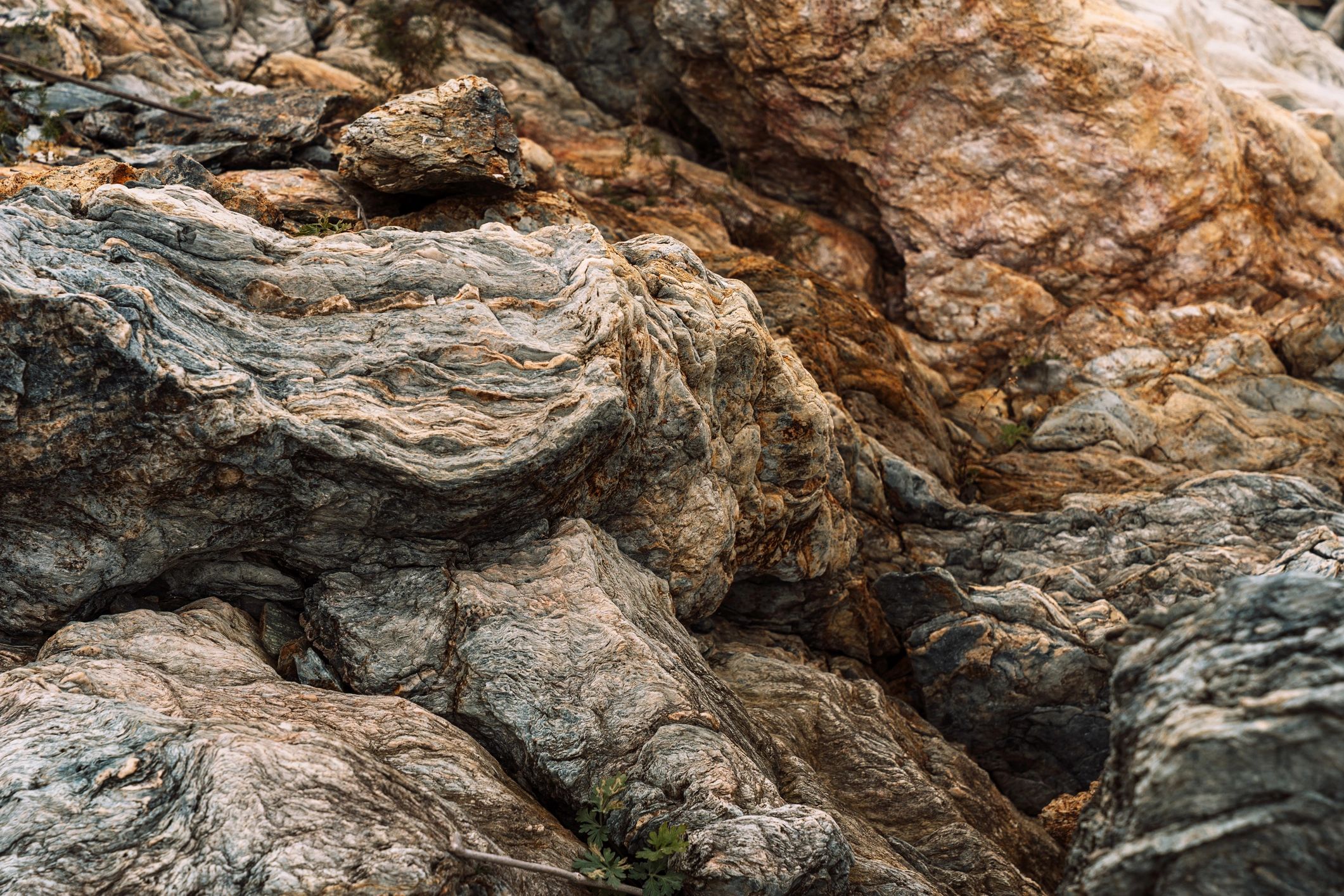
Table of contents
Start here
Use this overview like a field guide. Each chapter includes key terms, an “In plain terms” summary, and takeaways. For deeper dives, use the subpages in the Stone Science dropdown.
Chapters
Core topics
Stone Science focuses on the scientific language of rocks and minerals—how we name them, describe them, and test them.
1) Classification & nomenclature
How rocks and minerals are named: mineral species, rock names, modifiers, and what “felsic/mafic” and “carbonate/siliciclastic” really mean.
2) Minerals (basics)
Minerals as building blocks: crystal structure, chemical formula, and why “mineral vs. rock” matters.
3) Mineral properties & tests
Hardness (Mohs), streak, luster, cleavage, fracture, specific gravity, magnetism, and simple field tests.
4) Textures & fabrics
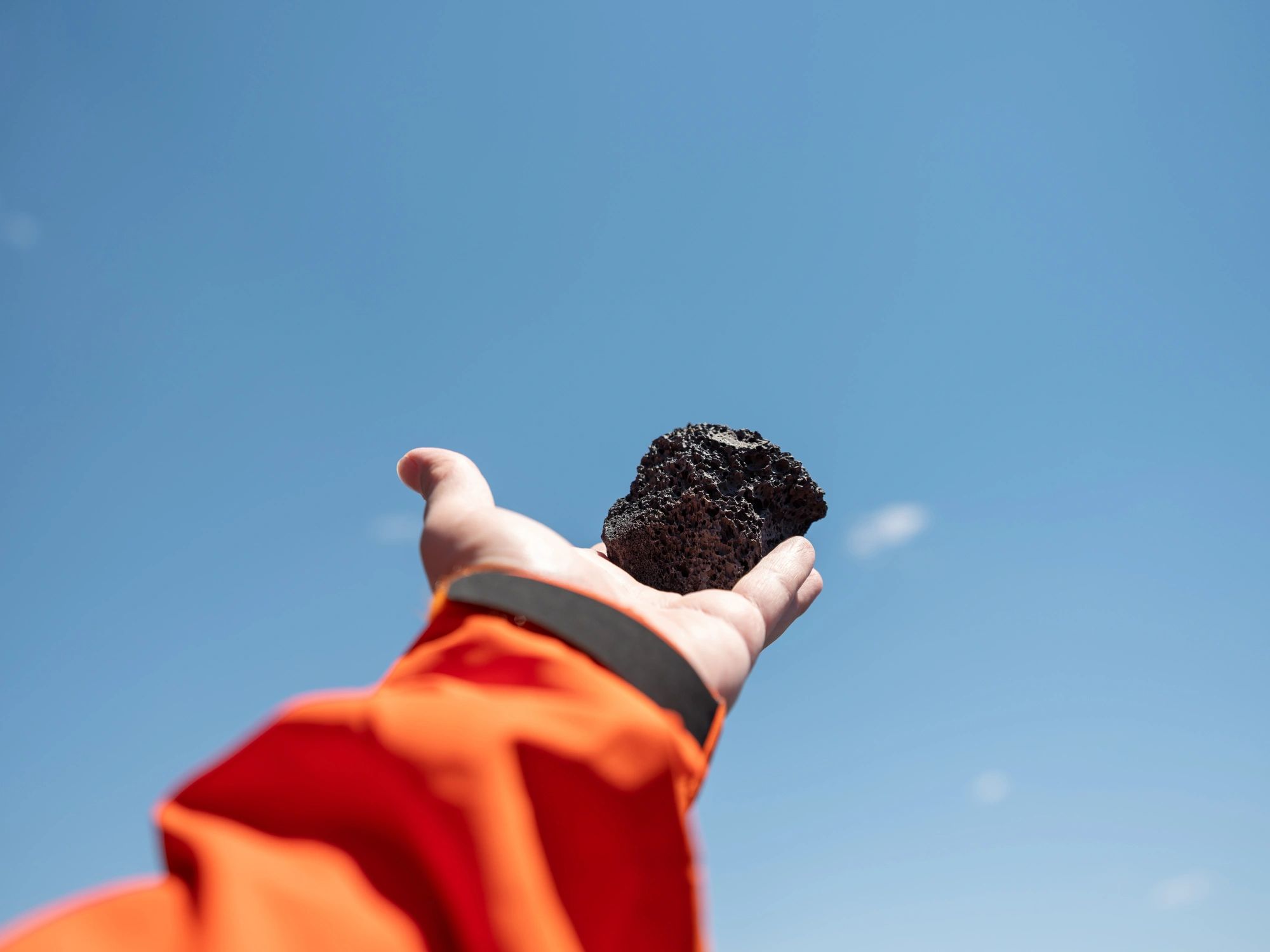
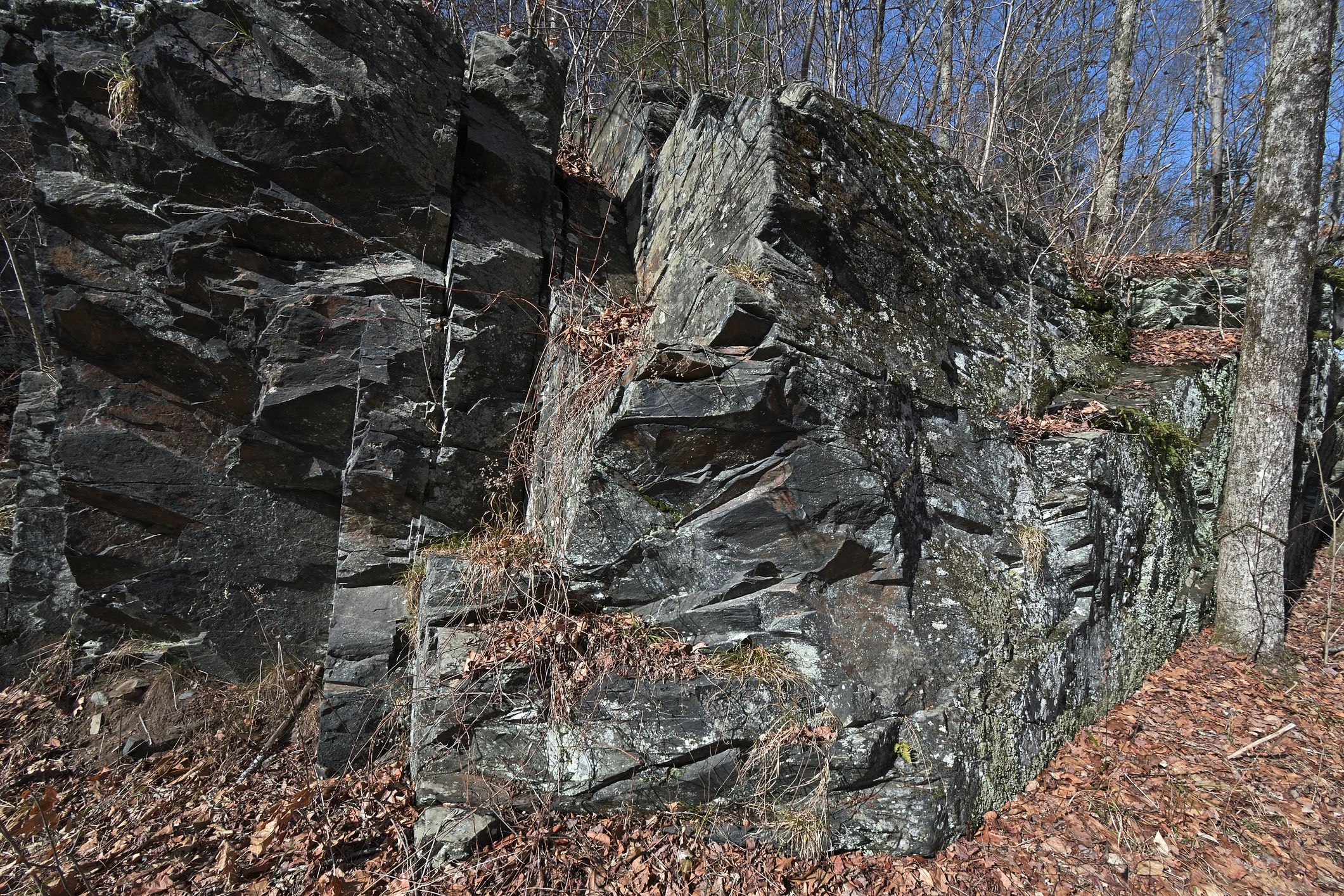
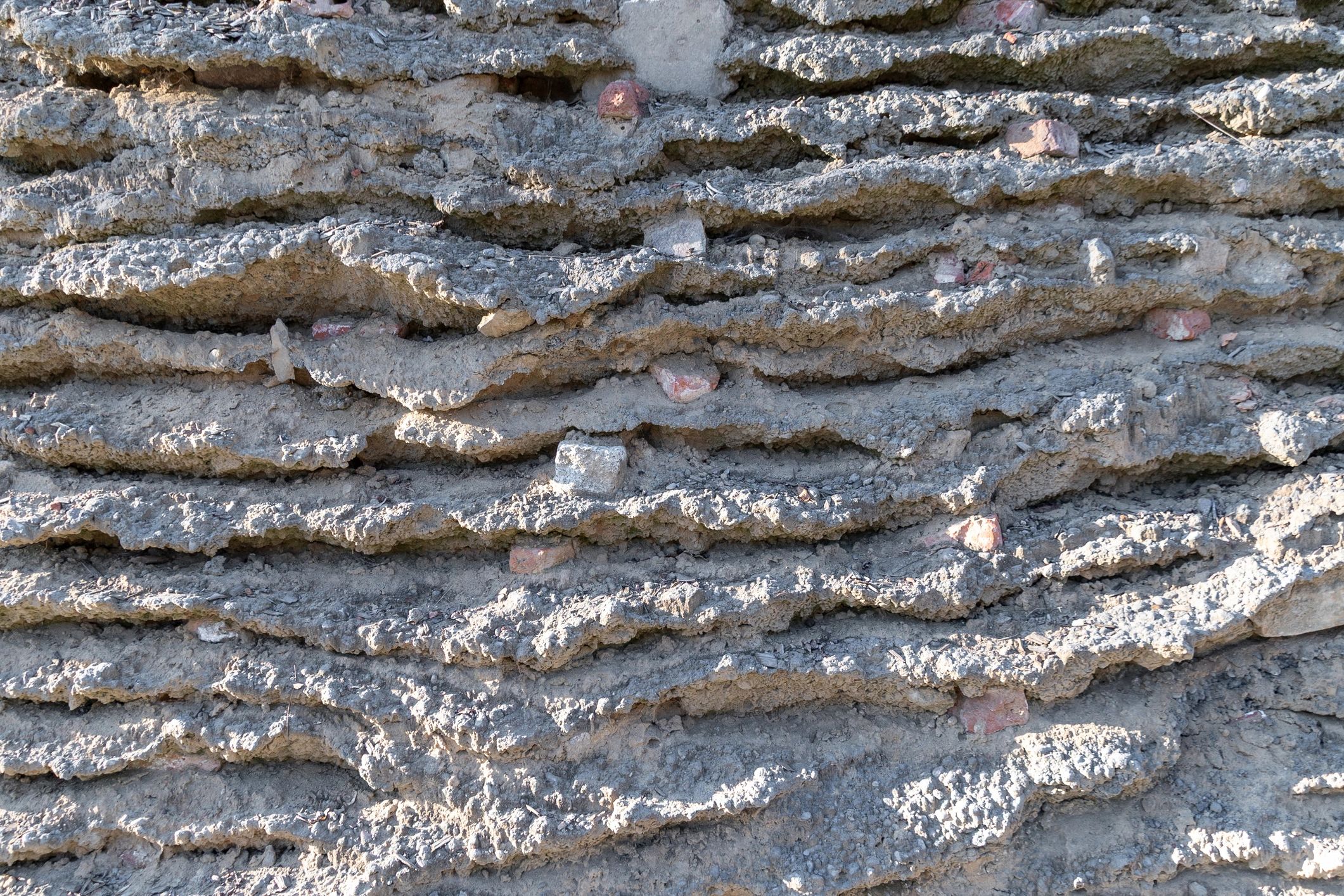
Grain size, sorting, rounding, foliation, lineation, porphyritic textures, vesicles, and what textures say about formation.
In plain terms
How scientists describe stones
Geologists use a consistent vocabulary to describe what it’s made of (minerals), how it formed (process), and what it looks like (texture/fabric). Once you can name those three things, you can classify most rocks with confidence.
Key takeaways
What to remember
Minerals build rocks
A rock is an aggregate; a mineral is a single species with a defined structure and composition.
Texture is evidence
Grain size, shape, and alignment record cooling, transport, deposition, or deformation.
Names are recipes
Many rock names encode mineral proportions (e.g., quartz + feldspar + mica → granite family).
Tests are repeatable
Hardness, streak, and cleavage are standardized observations—use them to avoid guesswork.
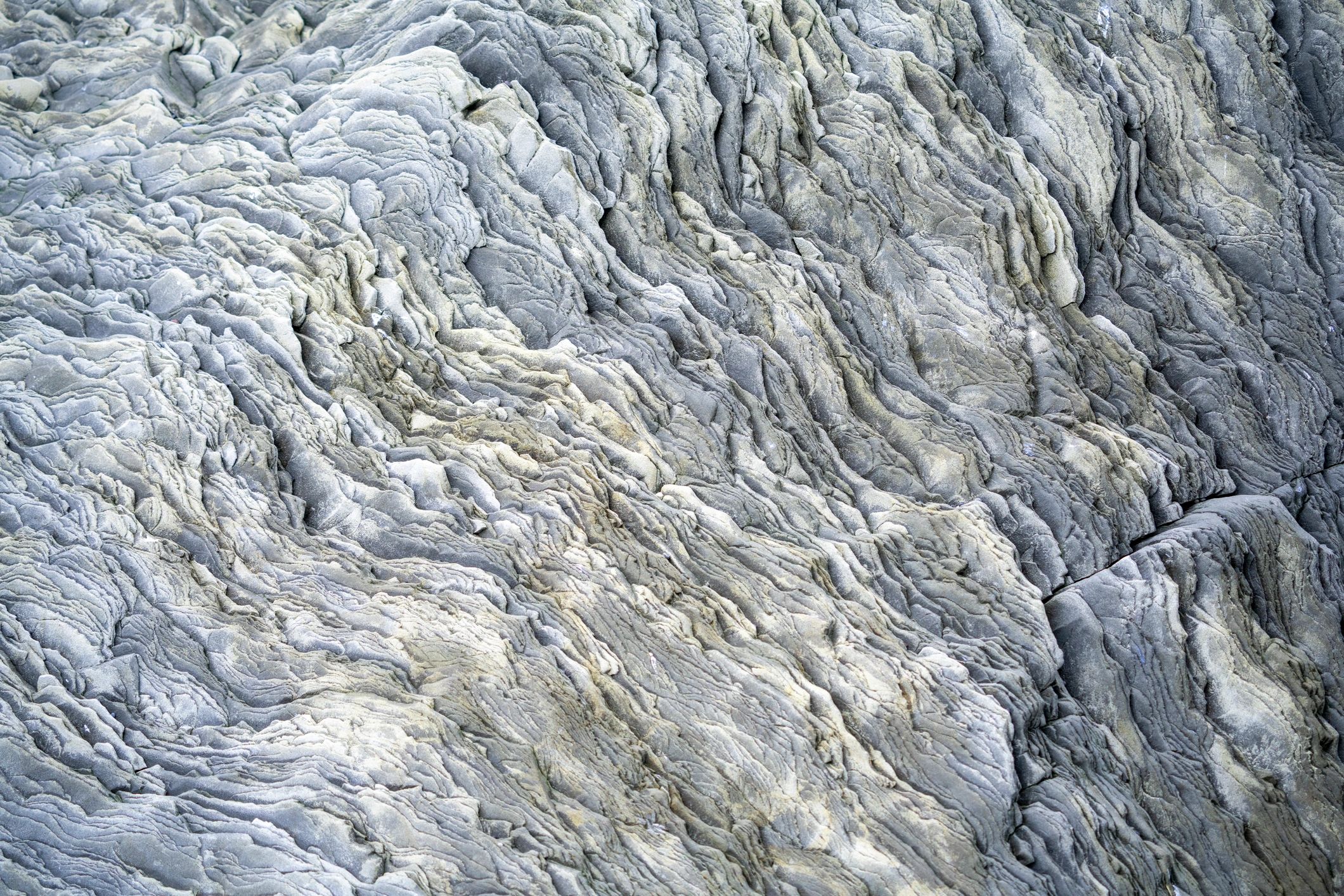
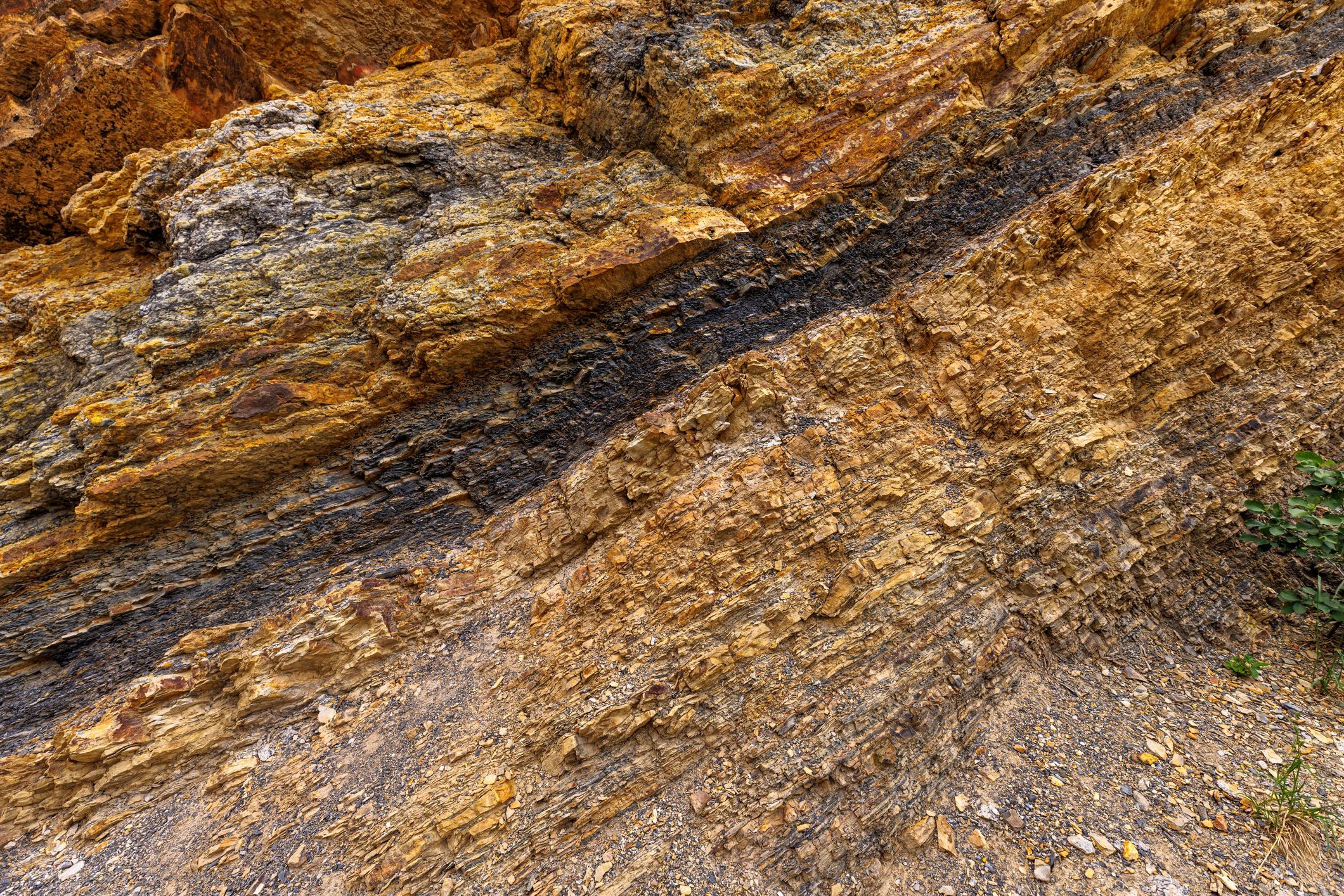
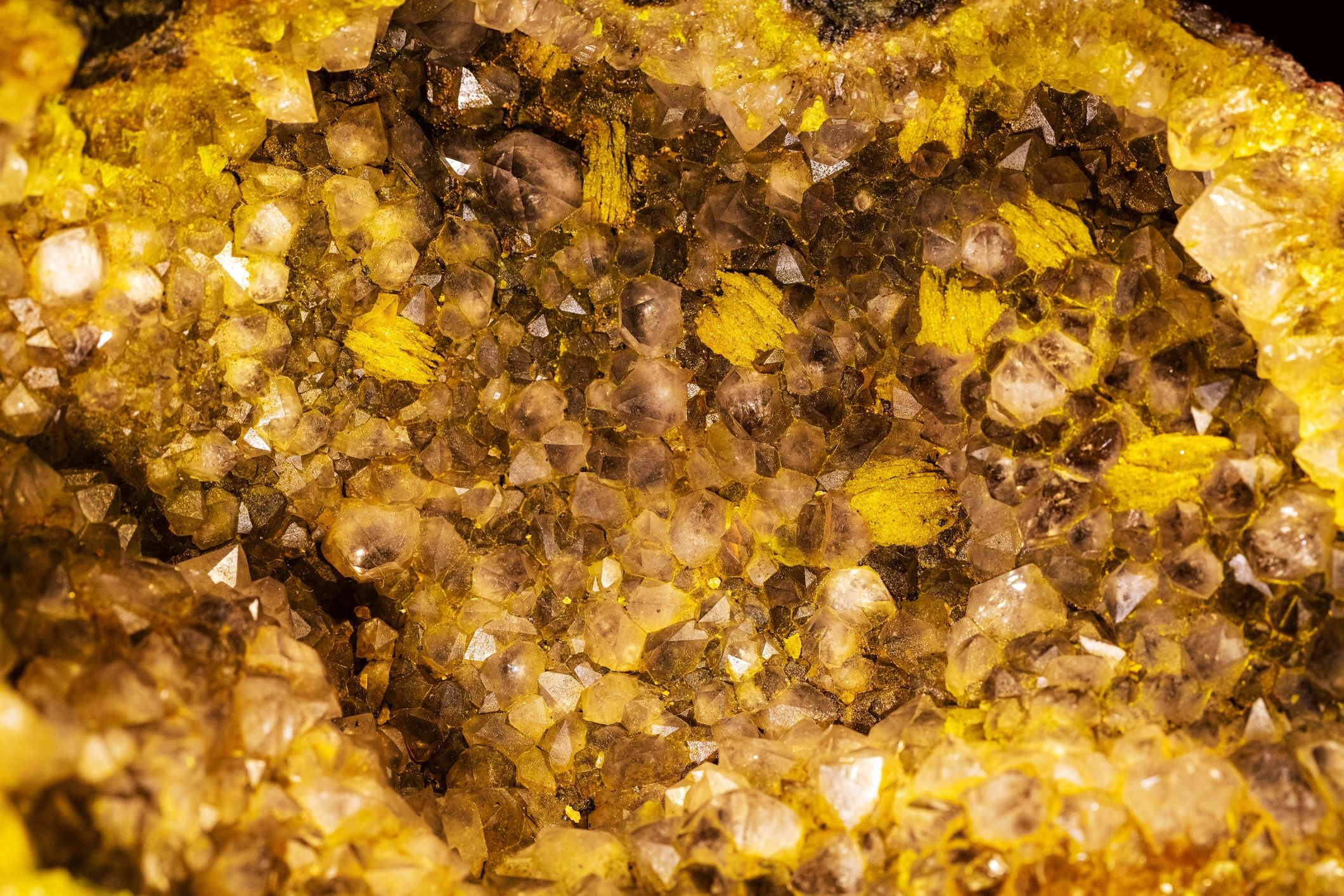
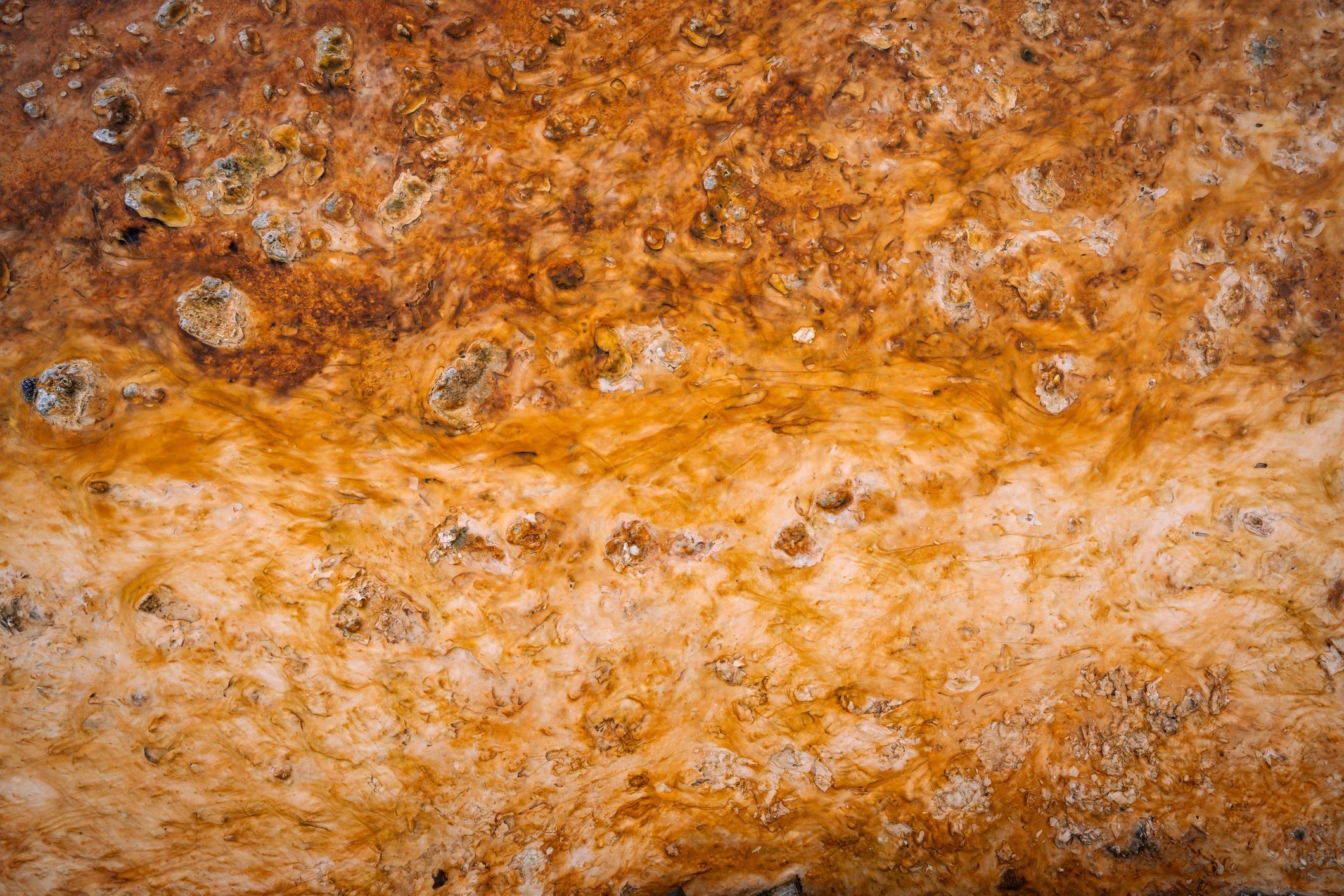
Stone Science photo set
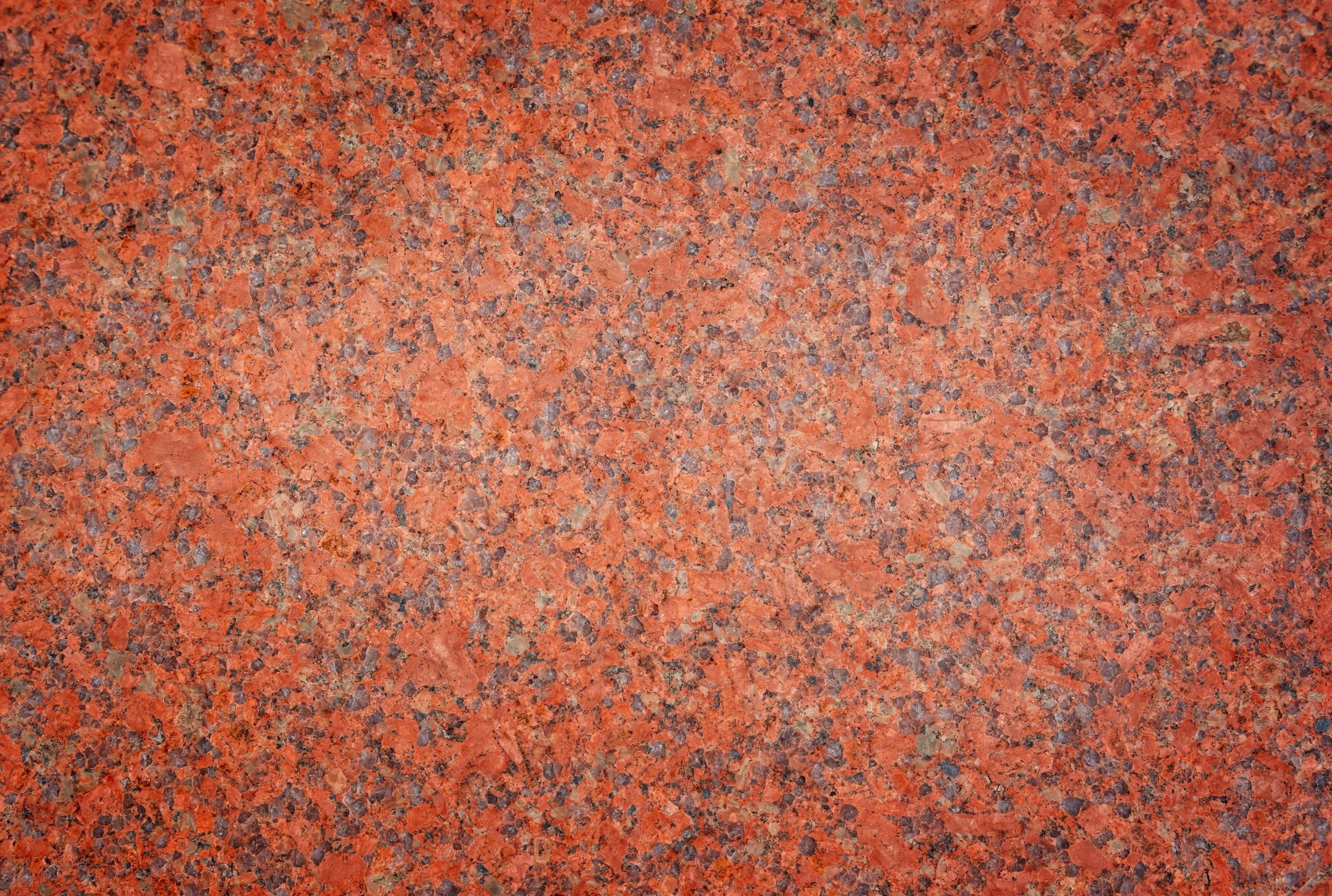
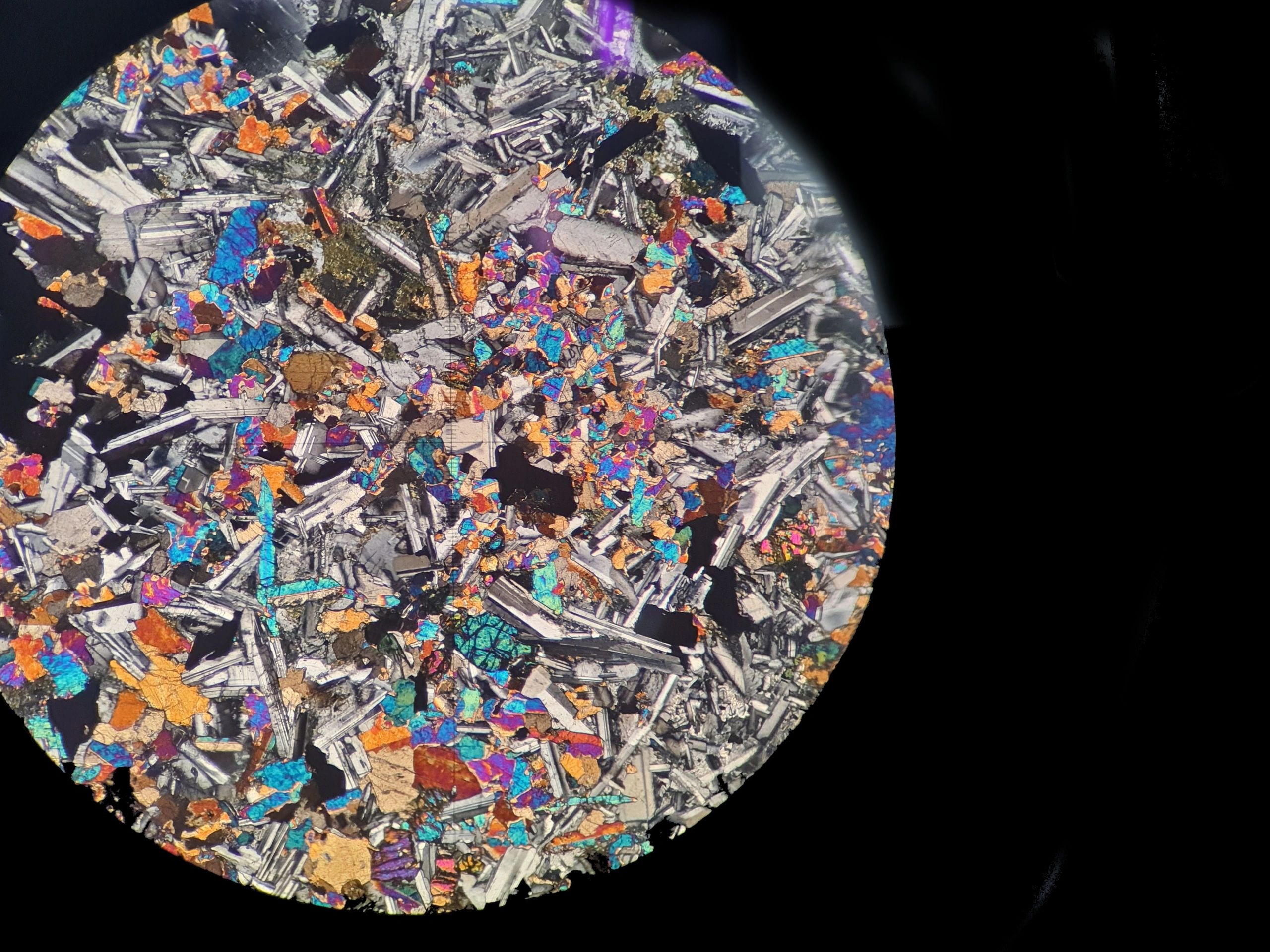
A quick visual sampler of textures, minerals, and rock-forming environments referenced across the Stone Science pages.
Terminology mini-glossary
Short definitions used throughout Stone Science (see the full Glossary subpage for more).
Mineral species
A naturally occurring solid with a specific chemical composition and crystal structure (e.g., quartz, calcite).
Mineraloid
A natural solid that lacks a crystal structure (e.g., volcanic glass/obsidian).
Texture
The size, shape, and arrangement of grains or crystals (e.g., fine-grained, porphyritic, foliated).
Fabric
The spatial arrangement/orientation of features, often used for metamorphic rocks (e.g., foliation, lineation).
Nomenclature
The rules and conventions used to name rocks and minerals consistently.
Rock cycle
A model describing how igneous, sedimentary, and metamorphic rocks transform through melting, crystallization, weathering, burial, and metamorphism.
Ready to explore real specimens?
Browse our shop for hand-selected stones and rocks—then use Stone Science terms to describe what you see.