Origins
Louisiana & Gulf Coast stones
A field-guide style overview of Gulf Coast materials—river gravels, coastal sands, silicified wood, and the agate and jasper textures collectors love.
Overview
What “Gulf Coast” means here
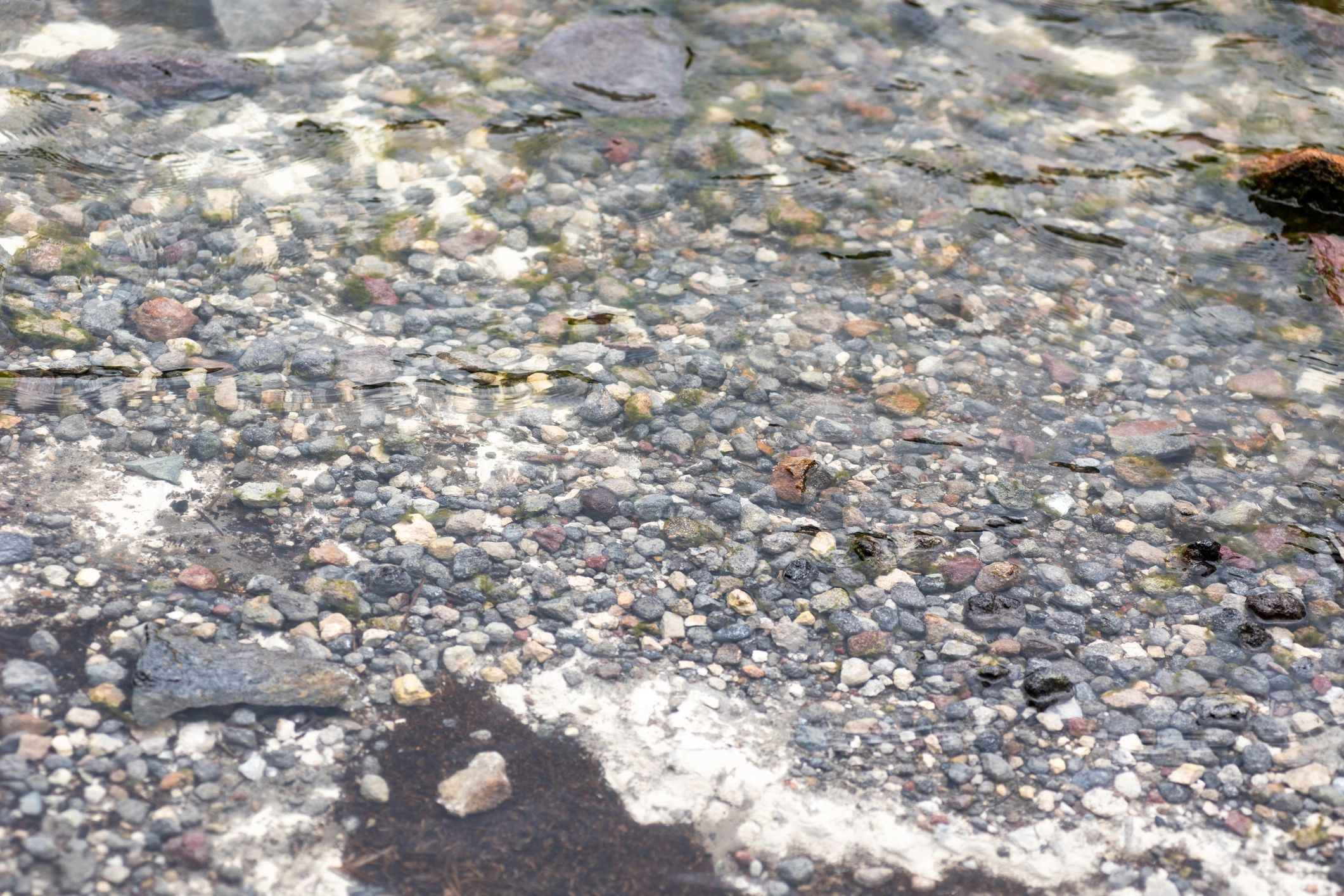
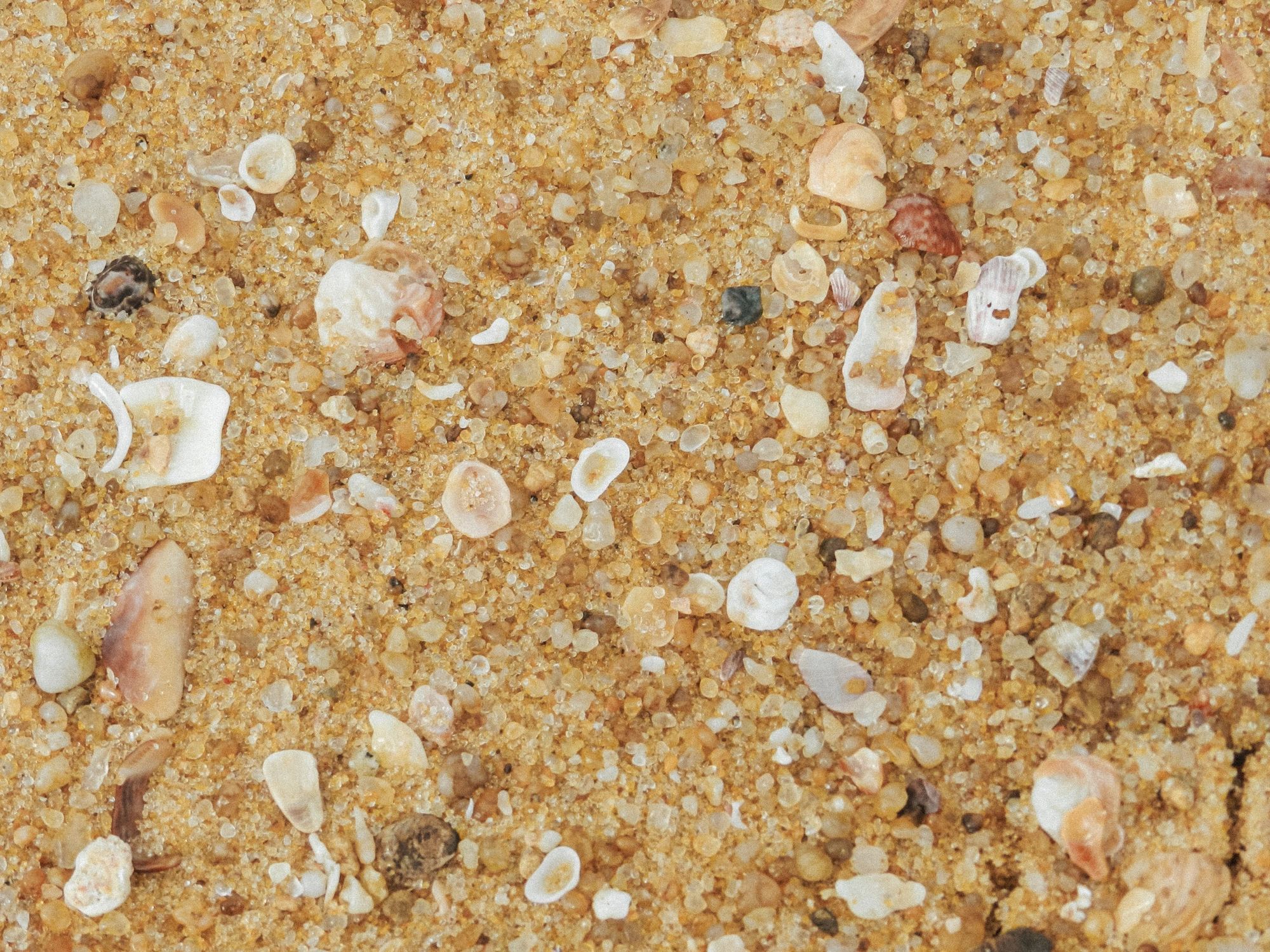
Louisiana sits at the meeting point of major river systems and a young, dynamic coastline. For collectors, that often means transported materials: gravels and cobbles reworked by rivers, beach processes, and nearshore currents.
This page highlights common Gulf Coast finds and how to recognize them in hand sample. For deeper geology, use the U.S. hub and the Geology section for rock and mineral identification basics.
In the field
How to identify finds
Use these quick checks to sort river and coastal materials before you reach for a loupe.
Texture first
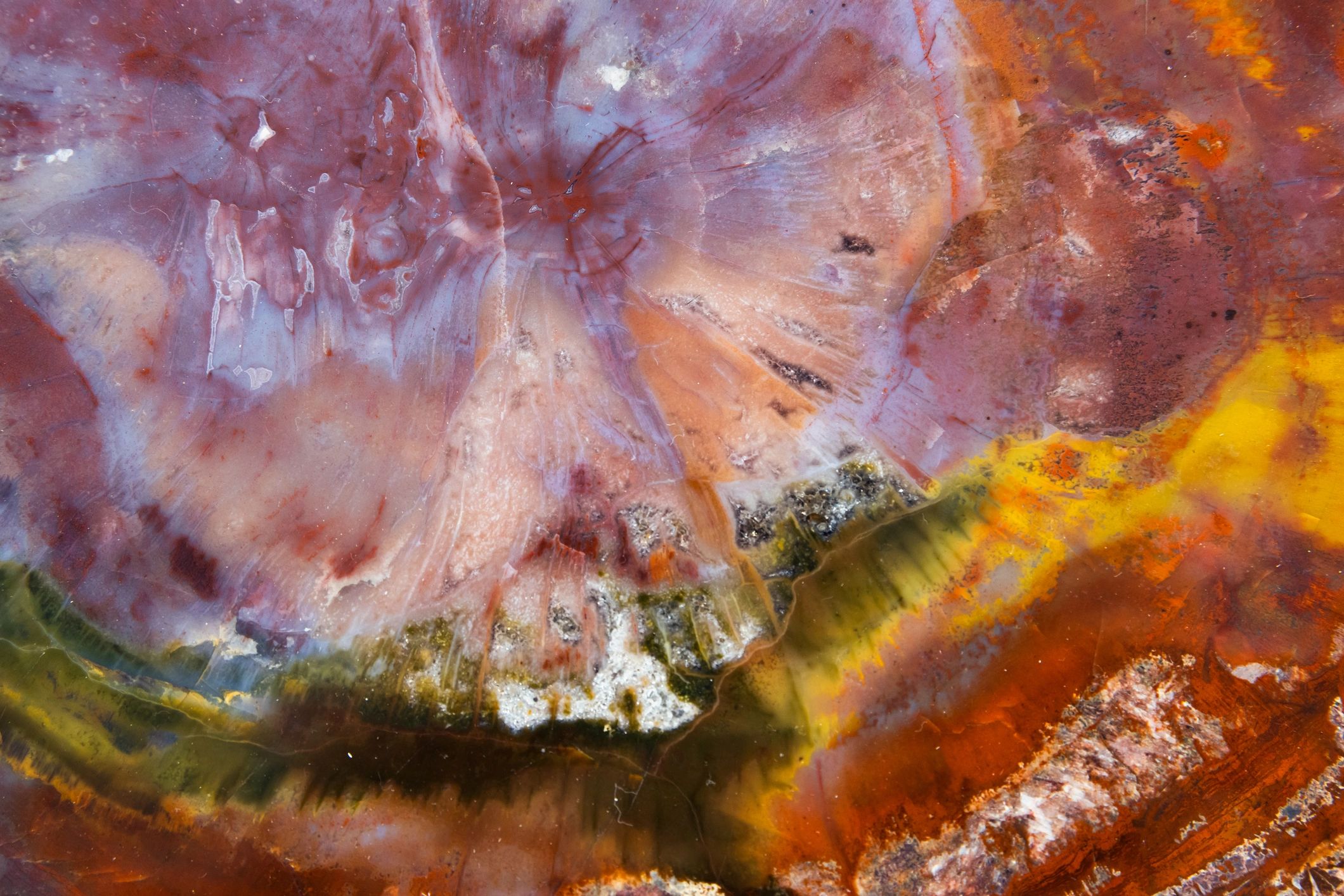
Feel for waxy vs. gritty surfaces. Waxy, fine-grained pieces often signal chert, chalcedony, or agate; gritty pieces often indicate sandstone or quartz-rich rocks.
Look for banding
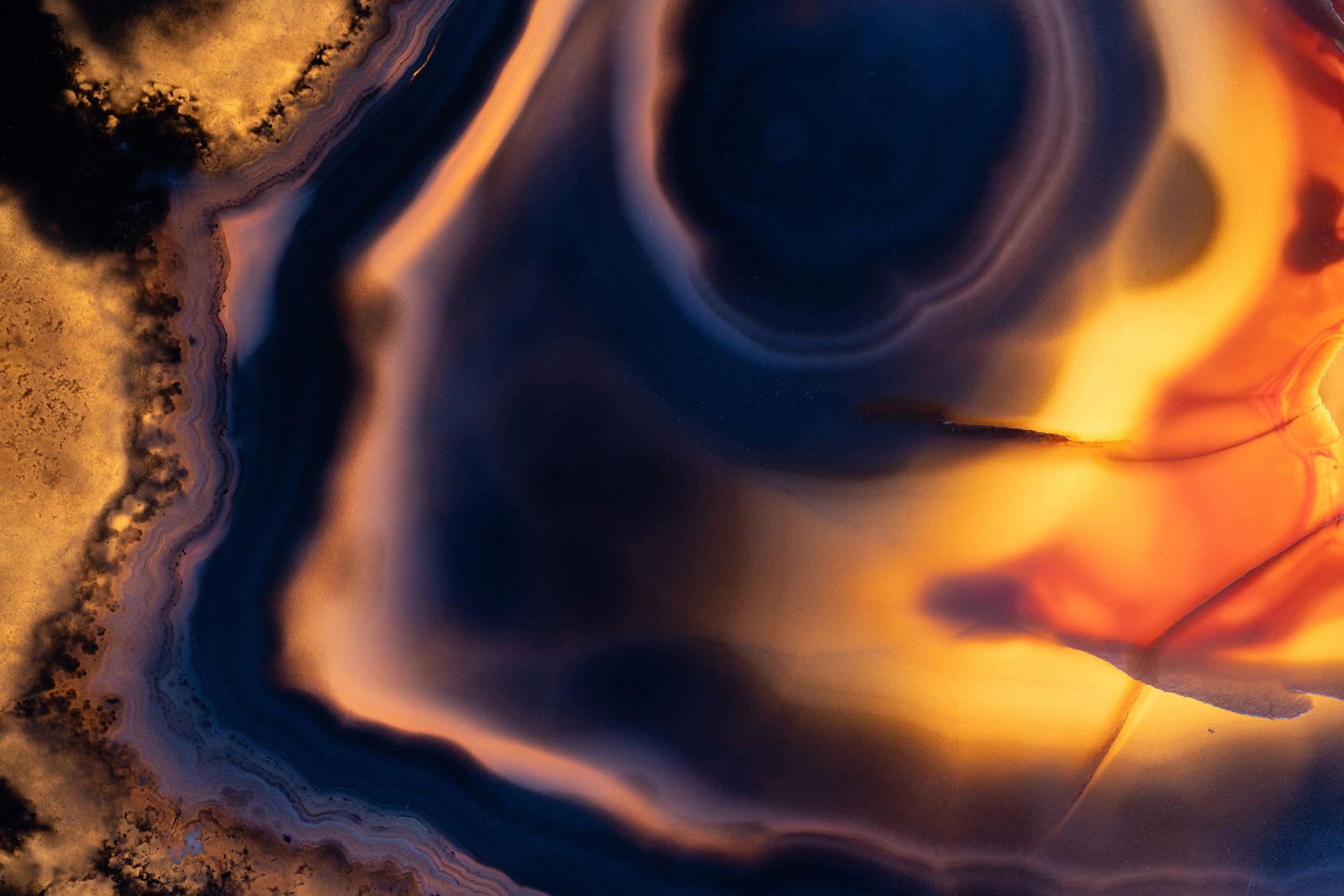
Agate and some jaspers show rhythmic banding or flow patterns. Hold thin edges to light to check for translucence.
Check fracture
Conchoidal fracture and sharp edges suggest silica-rich materials. Granular breaks suggest quartz sandstones or poorly cemented rocks.
Common finds
Gulf Coast materials to know
Not a definitive list—just the materials most often encountered in Gulf Coast contexts and in Louisiana-adjacent river gravels.