At a glance
What Arkansas is known for
Arkansas is best known in the stone world for novaculite—a hard, microcrystalline silica rock famous as the source of Arkansas sharpening stones.
You’ll also encounter quartz (including crystal clusters), chert and other siliceous rocks, sandstones and limestones, and a wide range of gravels and aggregates. This page helps you recognize common materials and connect them to the geology that produces them.
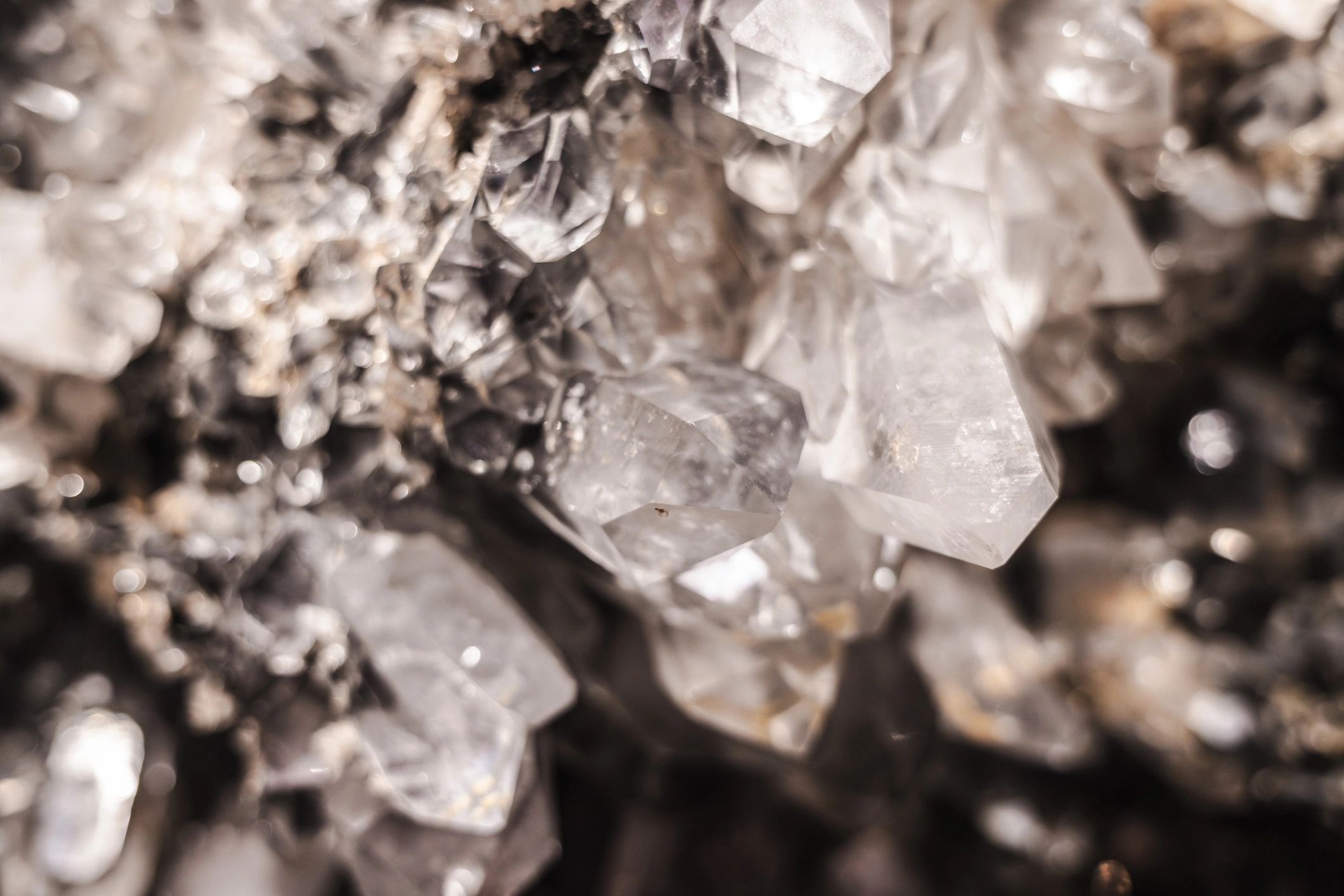
Arkansas stone highlights
Use these quick lenses to browse Arkansas-related materials by how they’re identified and used.
Novaculite
Dense silica rock used for whetstones; look for very fine texture and a tough, glassy feel.
Quartz & Crystal
From clear to smoky; crystal habit and luster are key identifiers for specimens and jewelry rough.
Chert & Siliceous Rocks
Conchoidal fracture and waxy luster; often shows nodules, banding, or fossil traces.
Sandstone
Grainy texture and bedding; used in landscaping and decor where durability and color matter.
Limestone
Often reacts to acid; common in building stone and as a host for fossils and cavities.
Gravel & Aggregate
Mixed clasts sized for construction and drainage; provenance can hint at upstream bedrock.
Identification
How to identify Arkansas stones
Start with a few repeatable observations. You can do most first-pass IDs with texture, luster, hardness, and fracture—then refine with context and simple tests.
Texture & fracture
Is it granular, microcrystalline, or crystalline? Does it break with conchoidal curves (common in silica-rich rocks) or along grains and layers?
Hardness & reaction
Quartz-rich materials scratch glass; many limestones fizz with a drop of weak acid. Combine tests with color, translucency, and banding.