Field Identification Workflow
Back to Geology · Back to Minerals & Identification
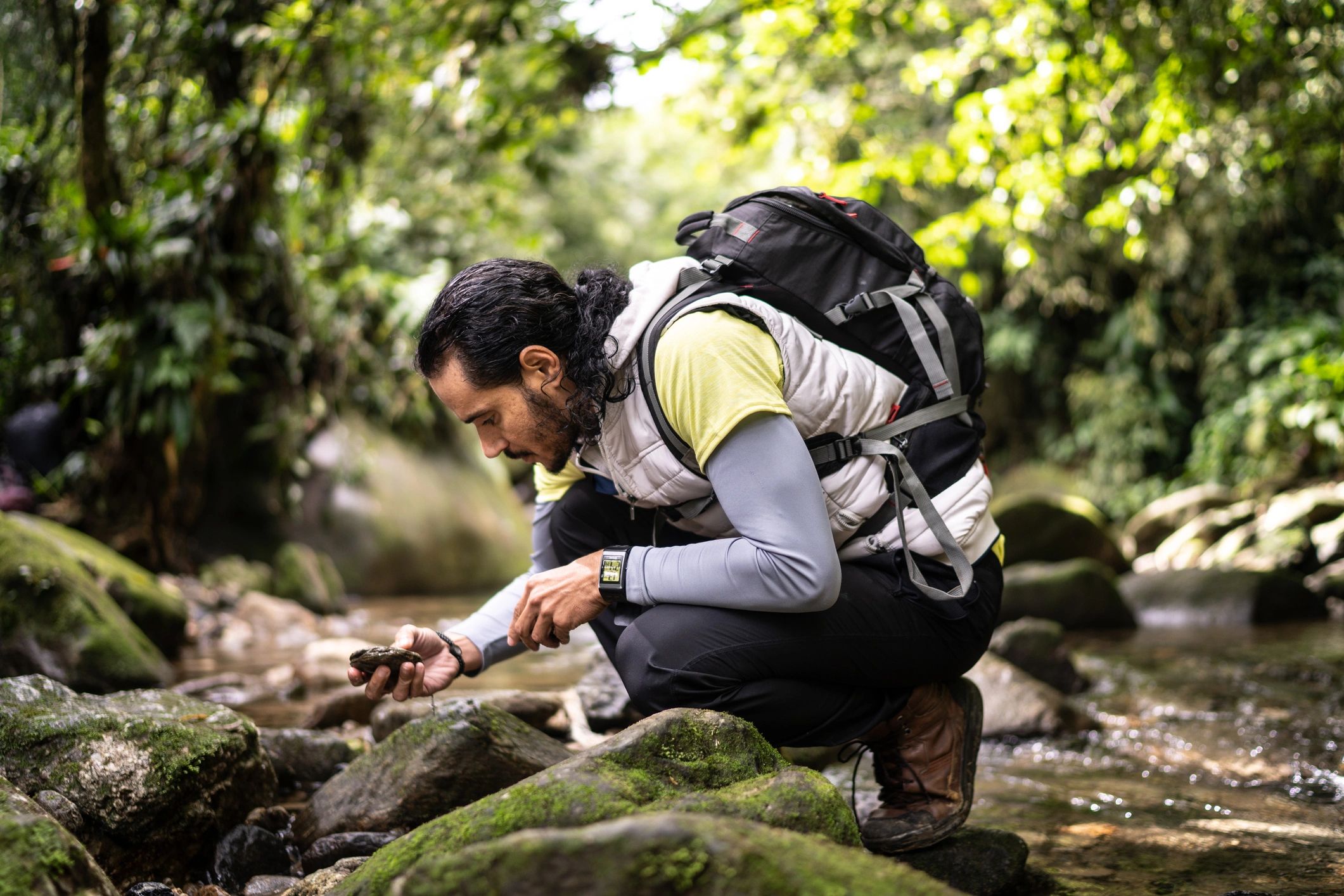
In plain terms
Identify like a geologist: observe first, test second, name last.
Step-by-step
- Context: outcrop vs. float, nearby units, layer orientation, and associated materials.
- Texture: crystal size, sorting, rounding, layering, vesicles, glassy vs. crystalline.
- Mineral clues: visible quartz/feldspar/mica? carbonate look? metallic grains?
- Quick tests: hardness, streak, magnet, acid reaction, density.
- Working ID: choose the simplest accurate name (e.g., “fine-grained volcanic rock” before “basalt”).
- Confirm: compare to references; if needed, thin section or lab methods.
Key takeaways
- Texture is usually the fastest discriminator.
- Tests are most useful when they rule things out.
- Use a “working name” until you can confirm.
- Write down results—memory is unreliable.
- Context can be the deciding clue.