Hawaii Stones & Volcanic Origins

Explore Hawaiian volcanic rocks—basalt, scoria, and glassy lava textures—plus how island-building processes shape the stones you’ll see in collections and lapidary work.
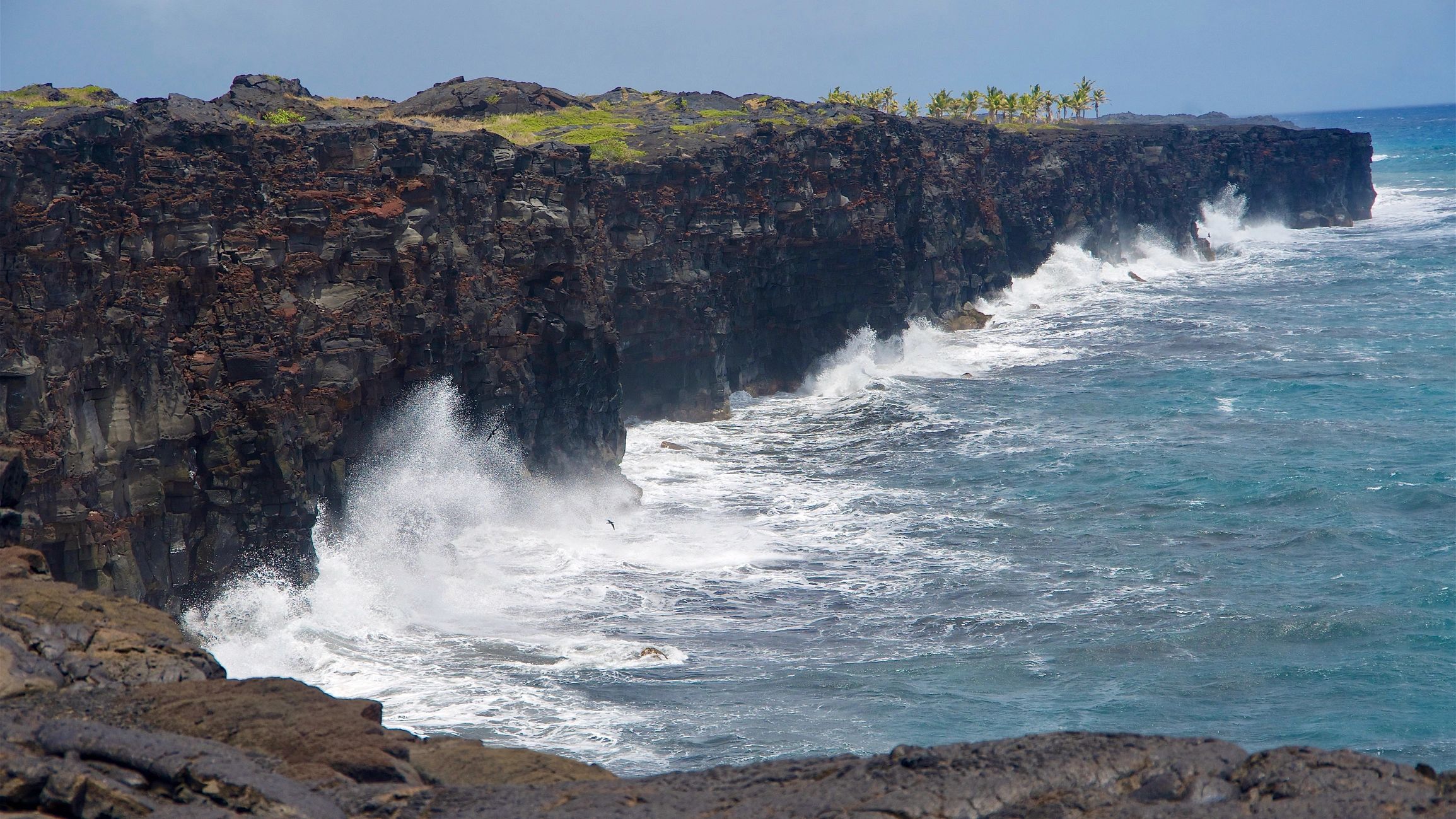
Waves crashing on a lava rock coastline on Hawaii's Big Island
Overview

What Makes Hawaii Unique

Hawaii is built almost entirely from volcanic activity. As lava cools, it forms a spectrum of igneous materials—from dense basalt to vesicular scoria and, in fast-quenched settings, volcanic glass. These stones record eruption style, cooling rate, and the chemistry of the magma that fed them.
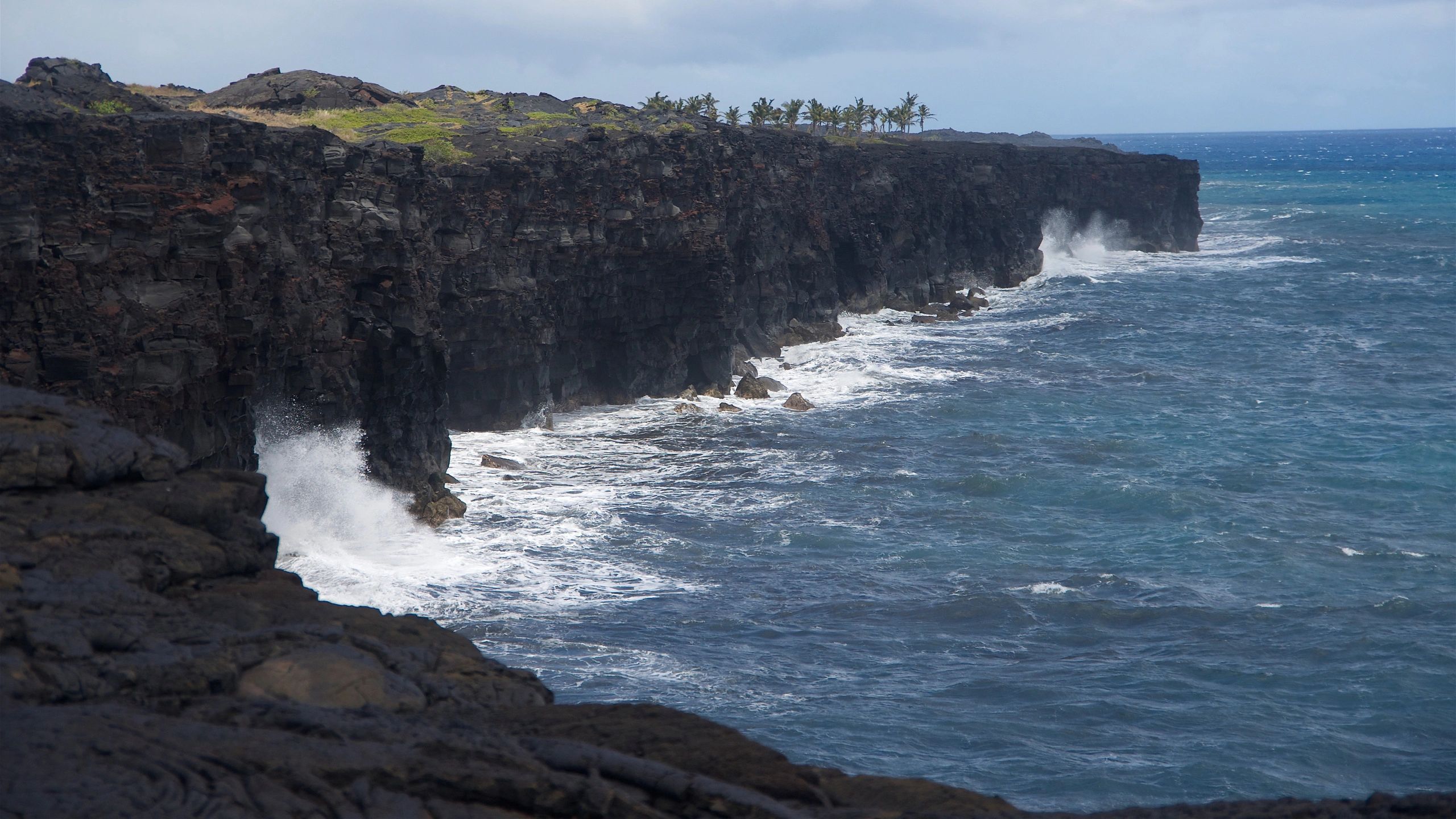
Lava rock coastline along Chain of Craters Road on Hawaii's Big Island
Field Notes

How To Read Volcanic Stones
Texture

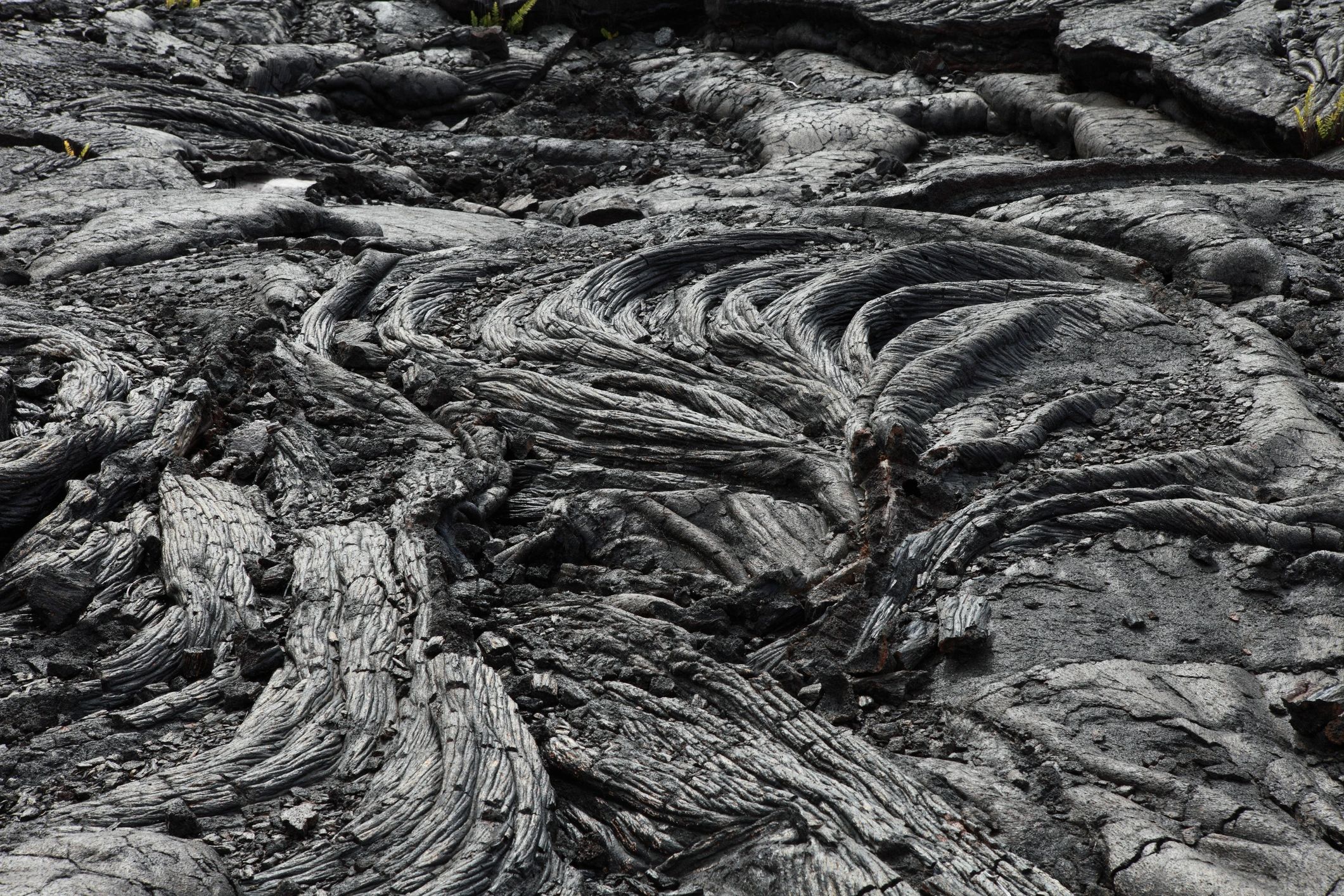
Look for vesicles (gas bubbles), flow banding, and glassy rinds—clues to degassing and cooling.

Minerals

Basalt commonly carries tiny crystals of olivine and pyroxene; crystal size reflects cooling speed.

Context

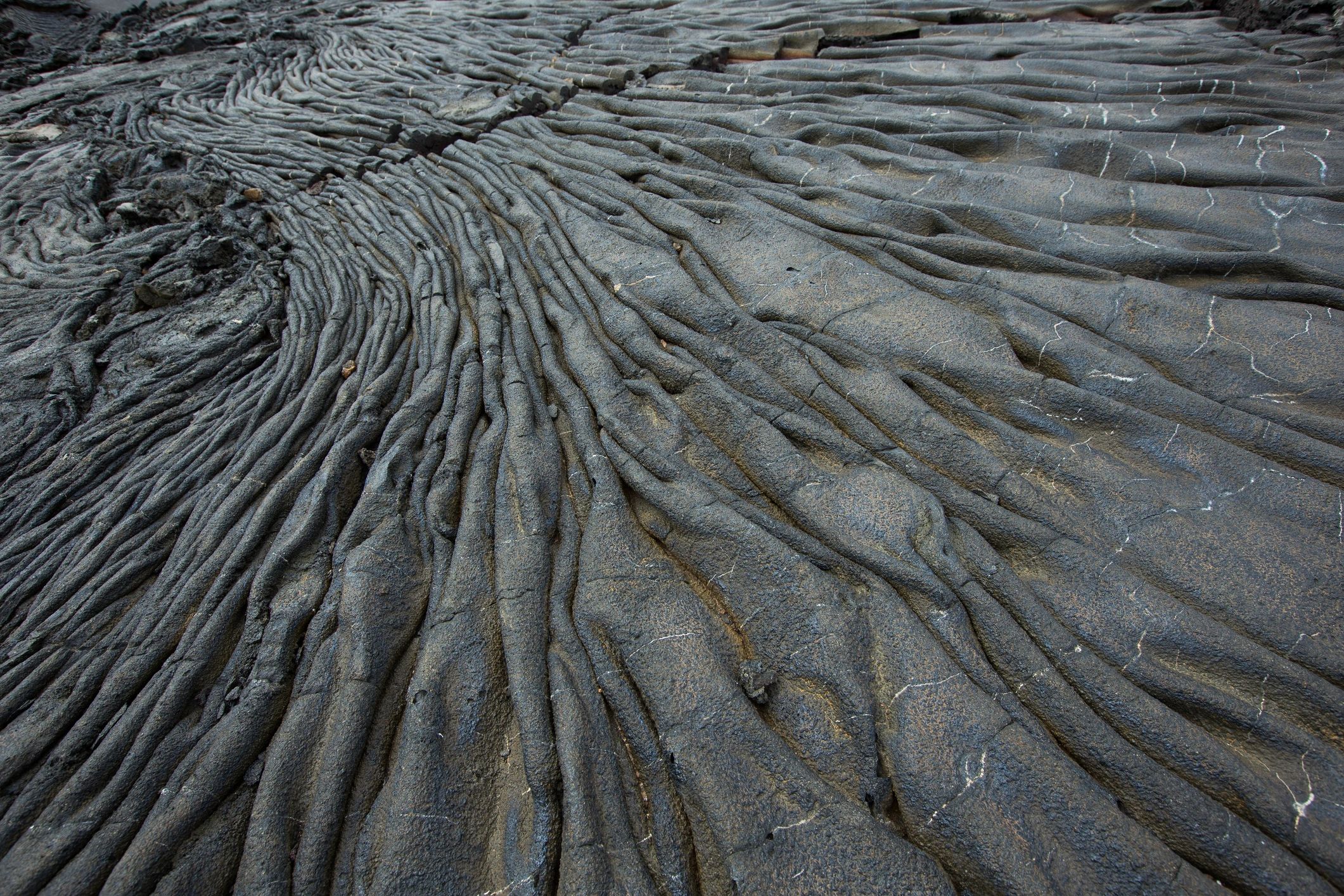
Coastal wave action rounds fragments, while fresh flows preserve sharp, ropey surfaces (pāhoehoe) or jagged clinker (ʻāʻā).

Close-up of ropey lava flow texture (pahoehoe) in Hawaii

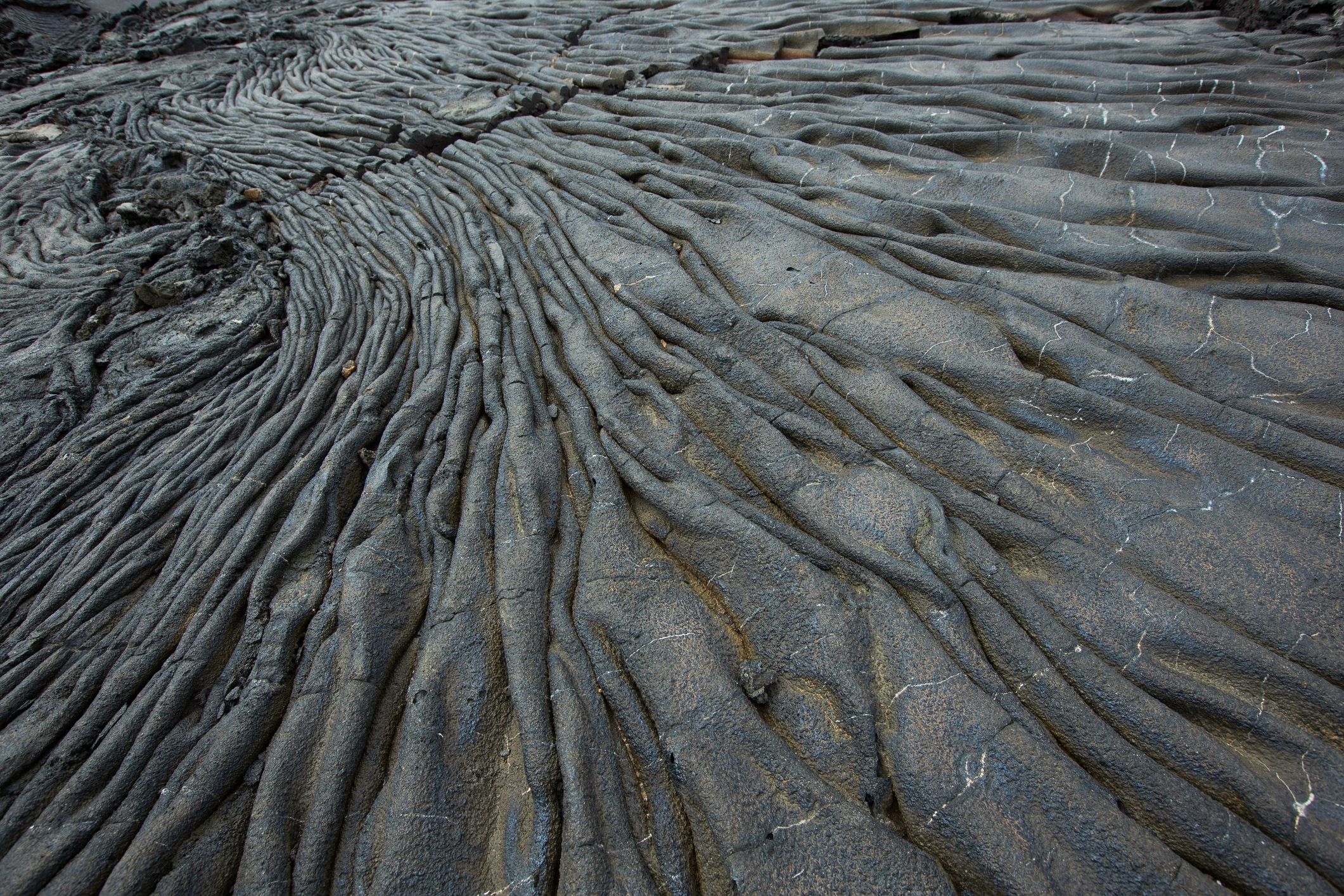
A quick visual sampler of volcanic surfaces and coastal settings—use these textures as a reference when comparing specimens.
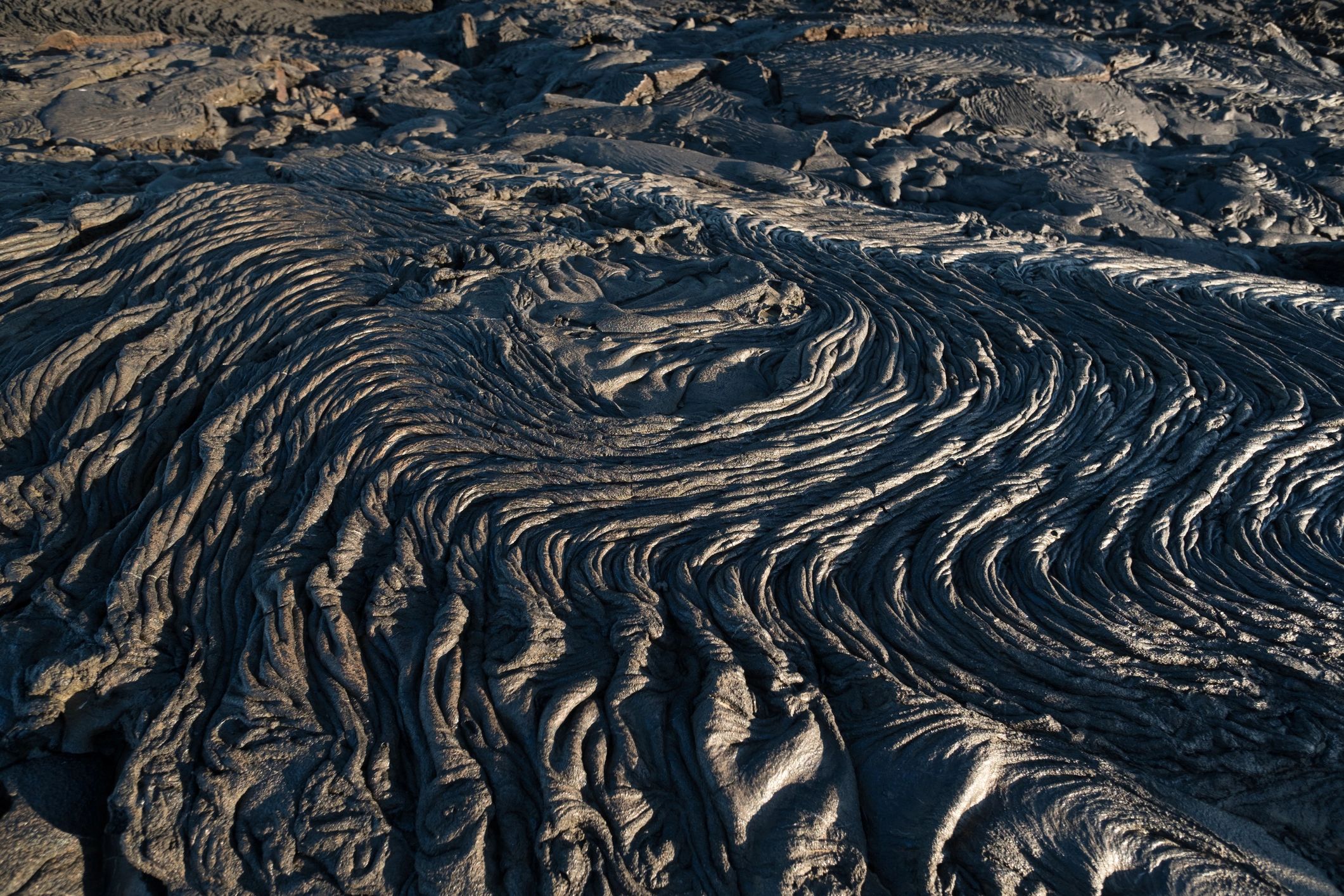
Lava field surface with dark basalt textures
Dark lava field surface texture
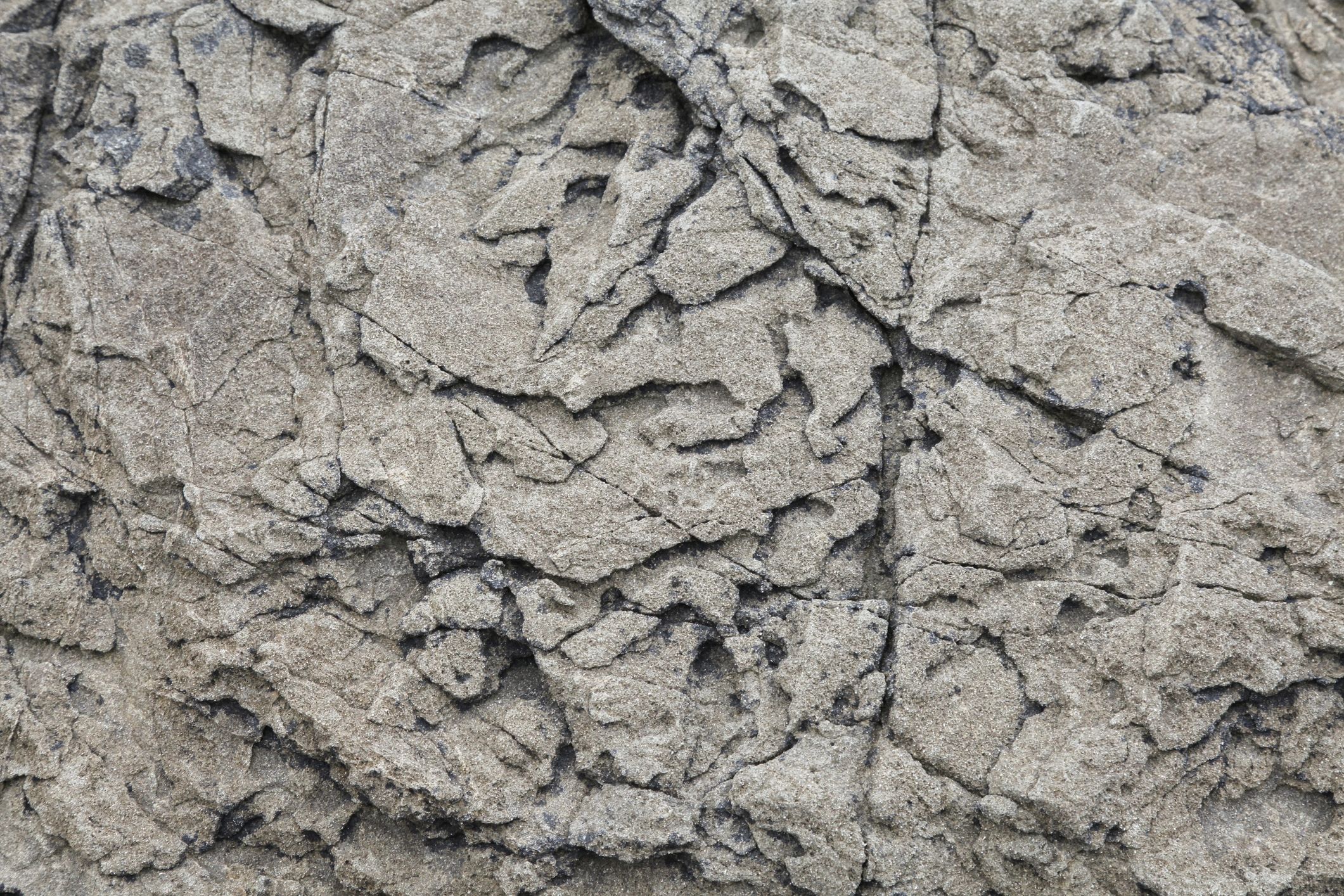
Close-up of coastal rock texture
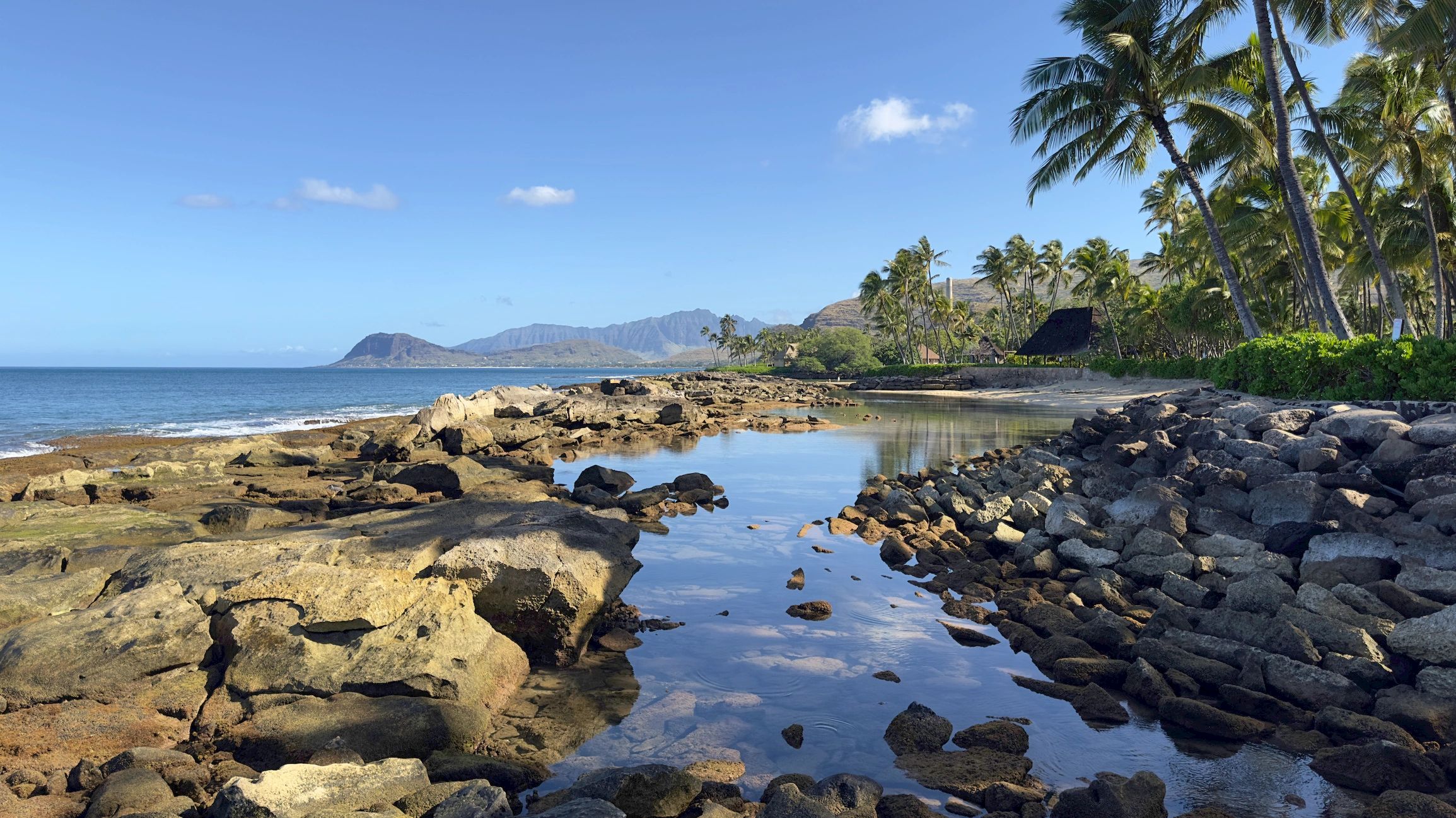
Hawaiian coastline with beach and stream at Ko Olina, Oahu
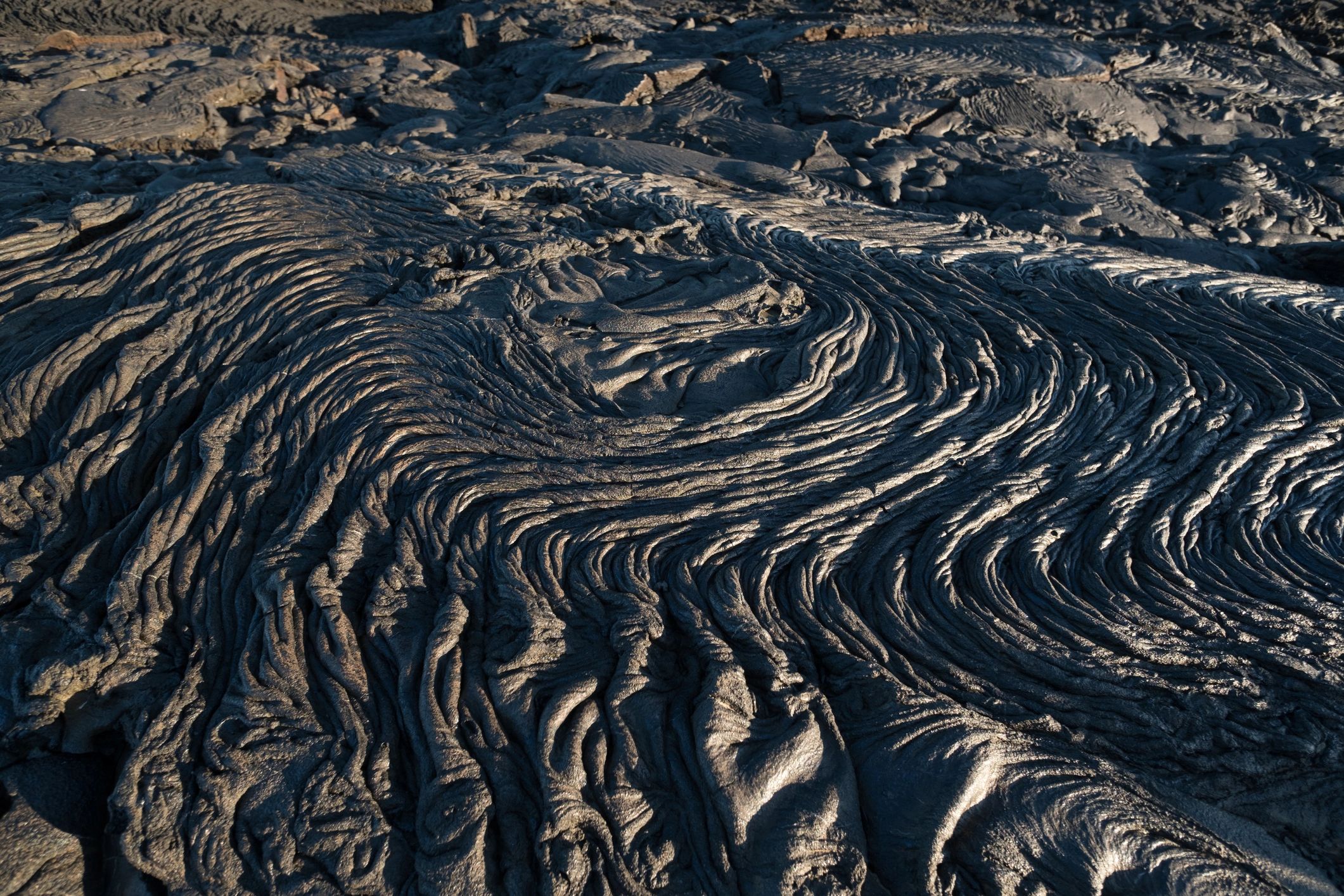
Basaltic lava field texture
Basaltic lava field surface texture