Guide
Natural Stones
A visual, practical overview of what natural stones are, how they form, how to identify them, where they’re found, and how they’re used—built for collectors, builders, and curious learners.
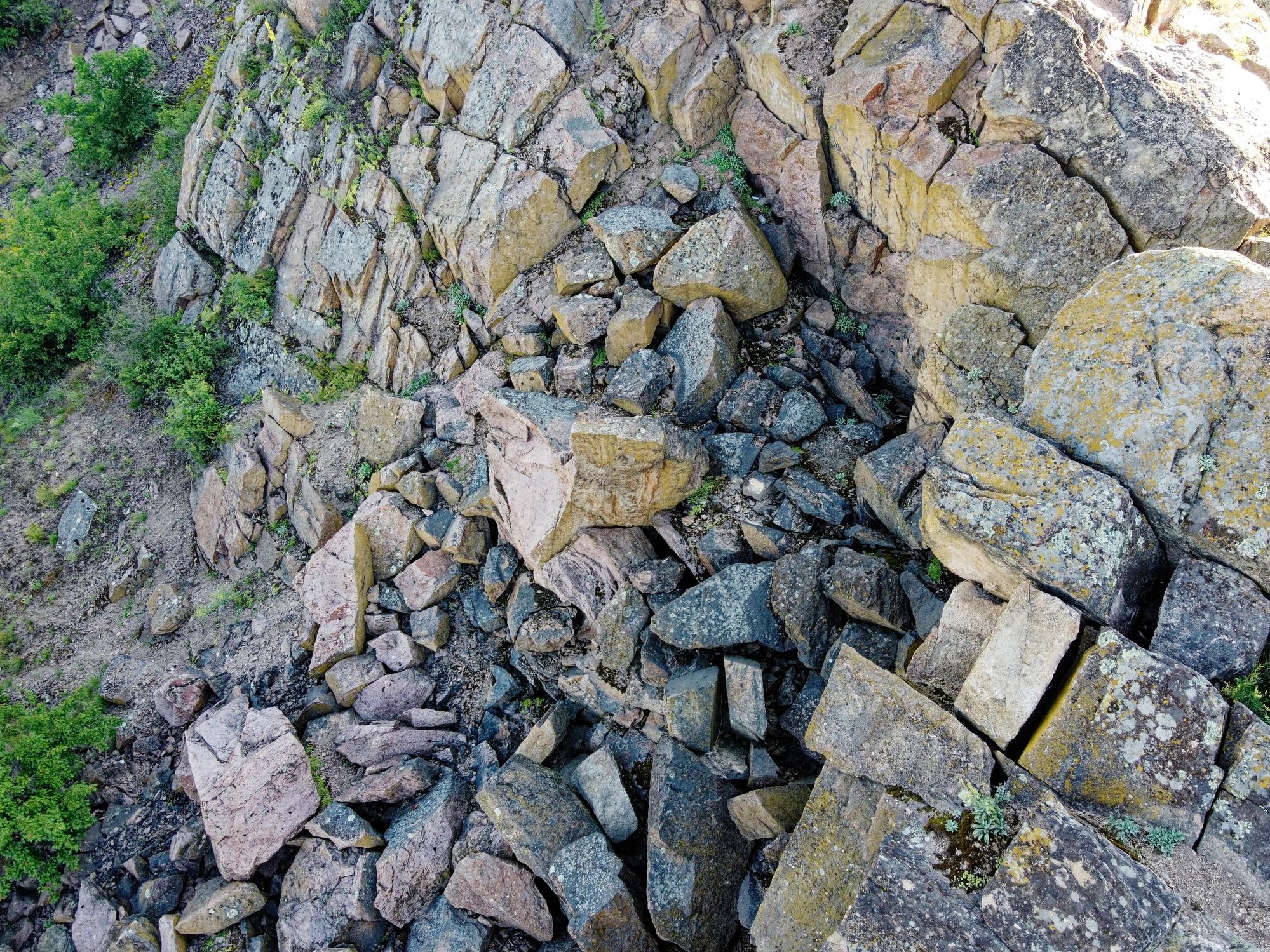
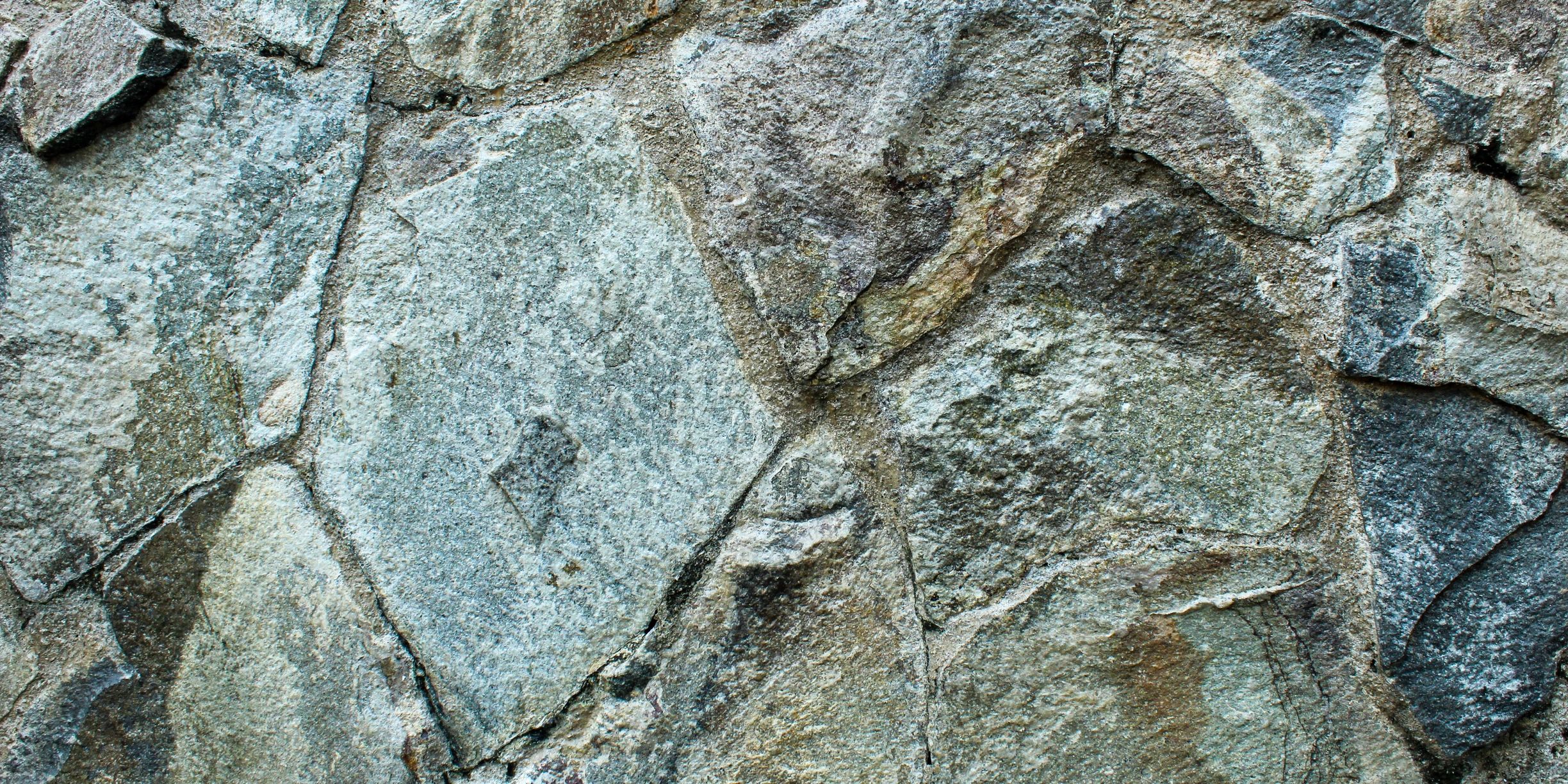
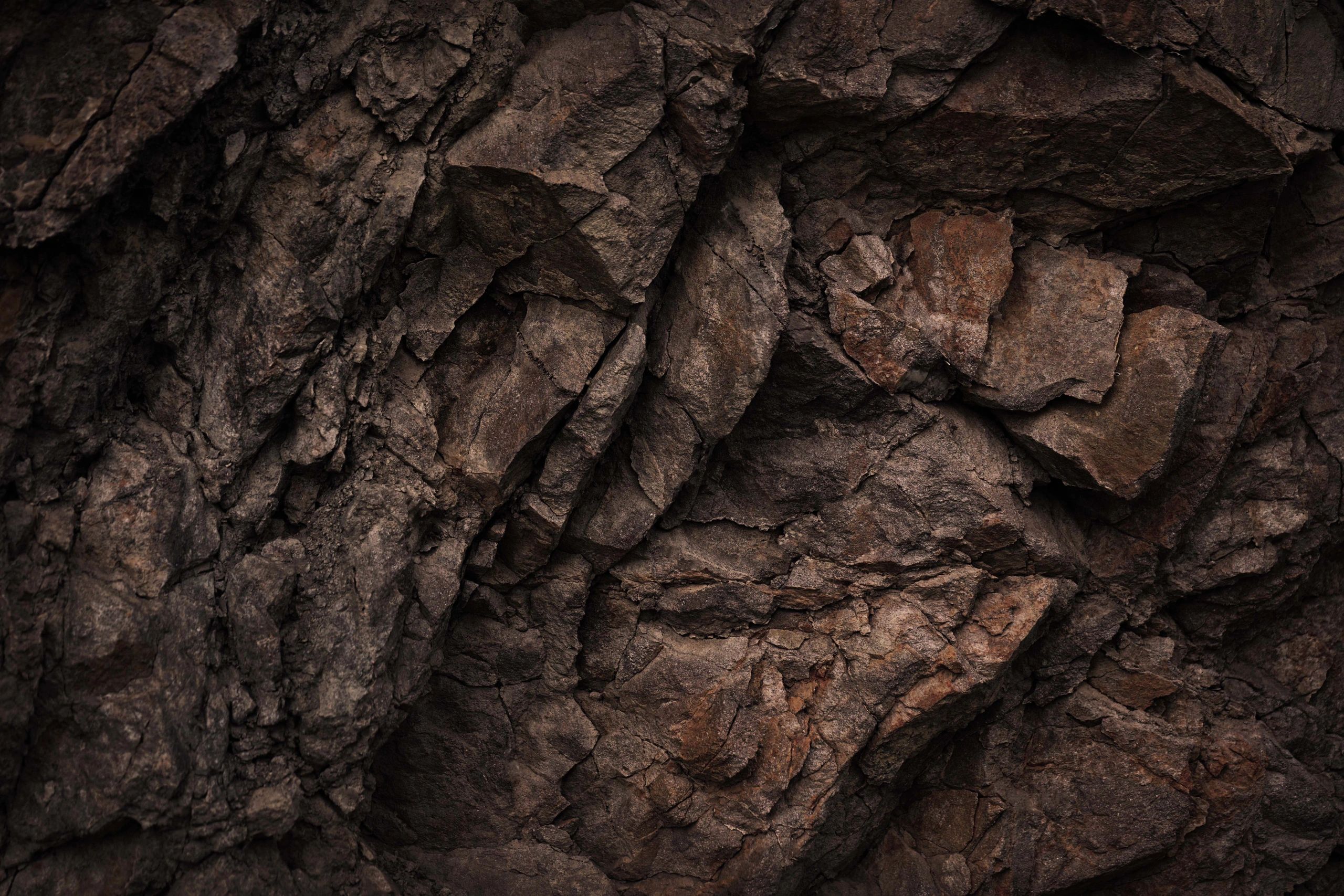
Natural stone, up close
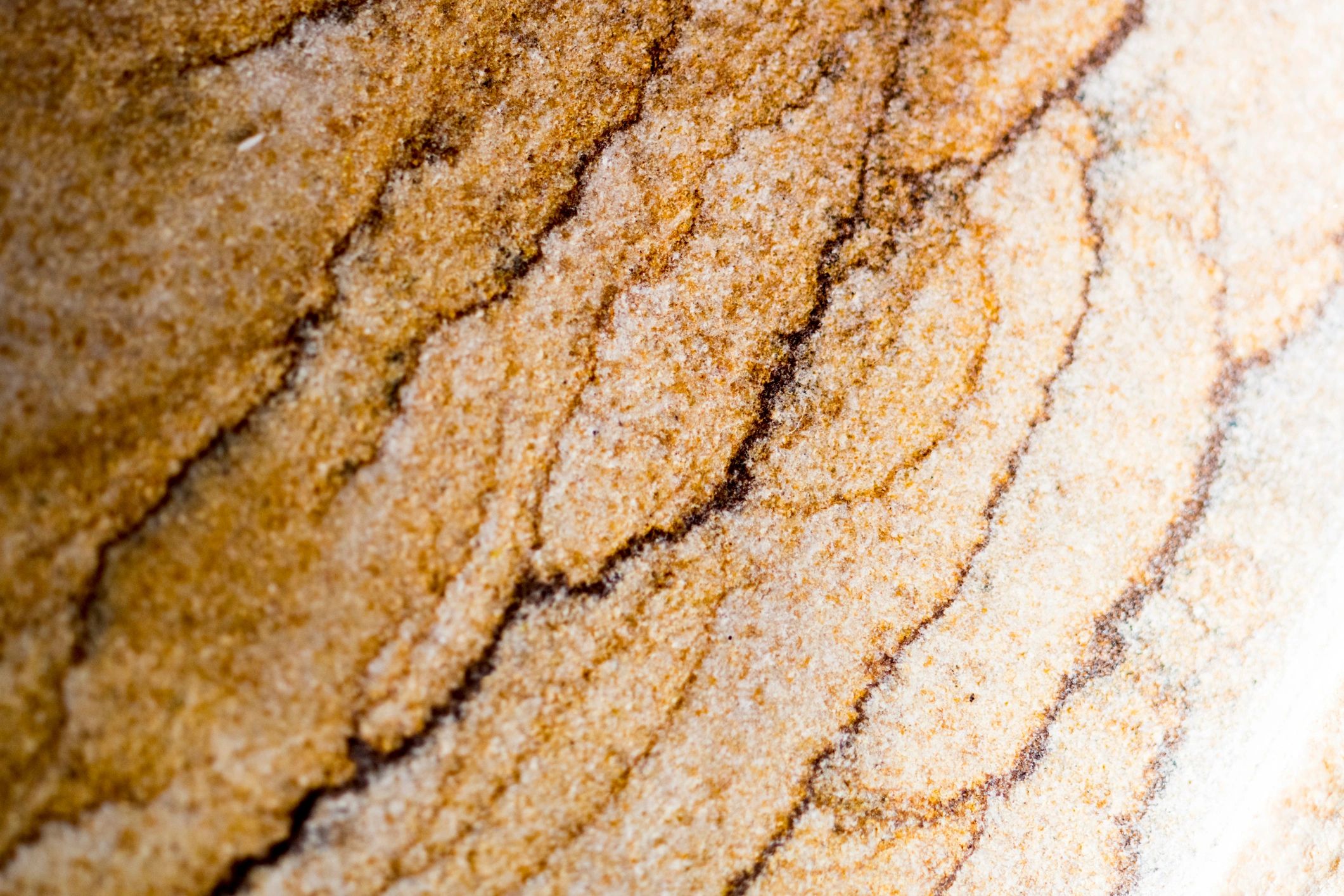
Texture, grain, layering, and fracture surfaces are often the fastest clues to what you’re holding.
Basics
What natural stones are
Natural stones are rocks and minerals formed by Earth processes—then shaped by weathering, transport, and time. In everyday use, “natural stone” usually means stone used in its natural mineral form (not manufactured), including building stone, decorative stone, lapidary rough, and collectible specimens.
Rock vs. mineral
A mineral is a naturally occurring solid with a specific chemistry and crystal structure. A rock is an aggregate of one or more minerals (and sometimes natural glass or organic material).
Why stones look different
Color, grain size, banding, pores, and sparkle come from mineral mix, cooling or deposition rate, pressure/heat history, and later alteration (like oxidation).
What “natural stone” includes
Granite, marble, limestone/travertine, slate, basalt, sandstone, quartz varieties (including agate), jade, obsidian, flint/chert, and petrified wood—plus many more used in architecture and collecting.
How to use this page
Use the Table of Contents to jump to formation, identification basics, common types, origins, uses, care, sustainability, and FAQs—then follow links into deeper sections across the site.
How natural stones form
Most stones you encounter fall into three formation families. Each leaves a “signature” in texture and structure.
Igneous
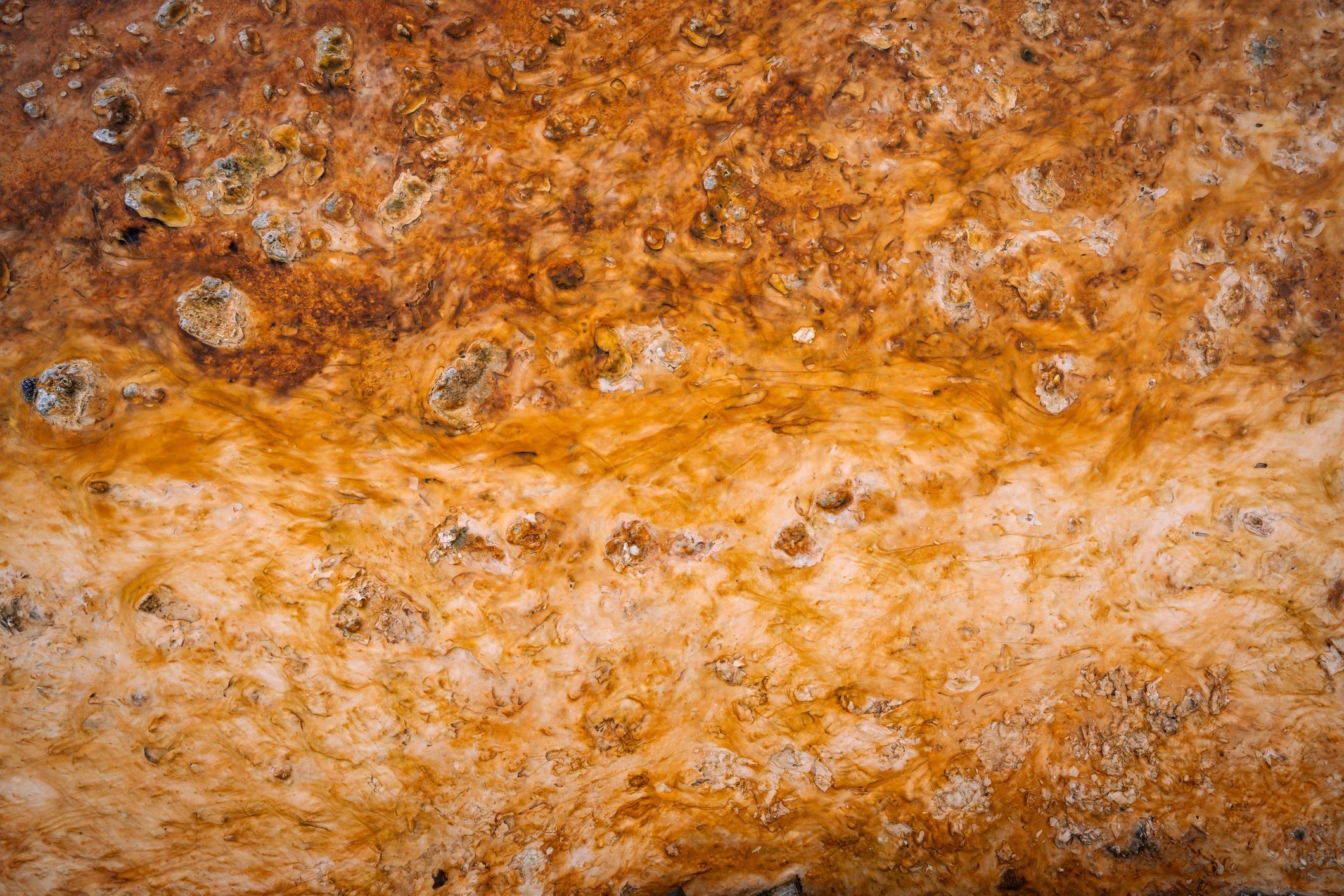
Crystallized from magma or lava. Look for interlocking crystals, vesicles, or glassy textures.
Sedimentary
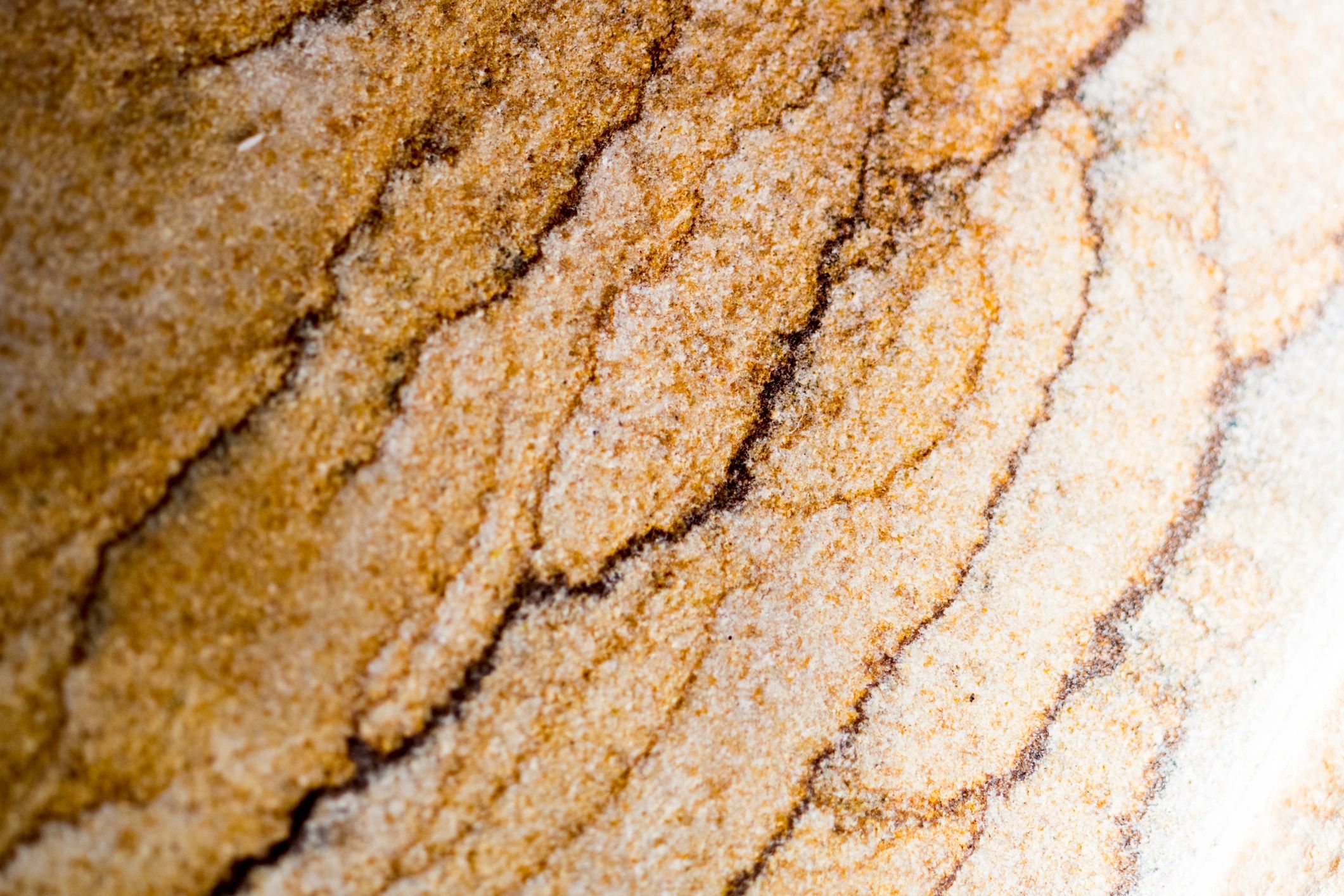
Built from layers of particles or chemical precipitates. Look for bedding, fossils, or rounded grains.
Metamorphic
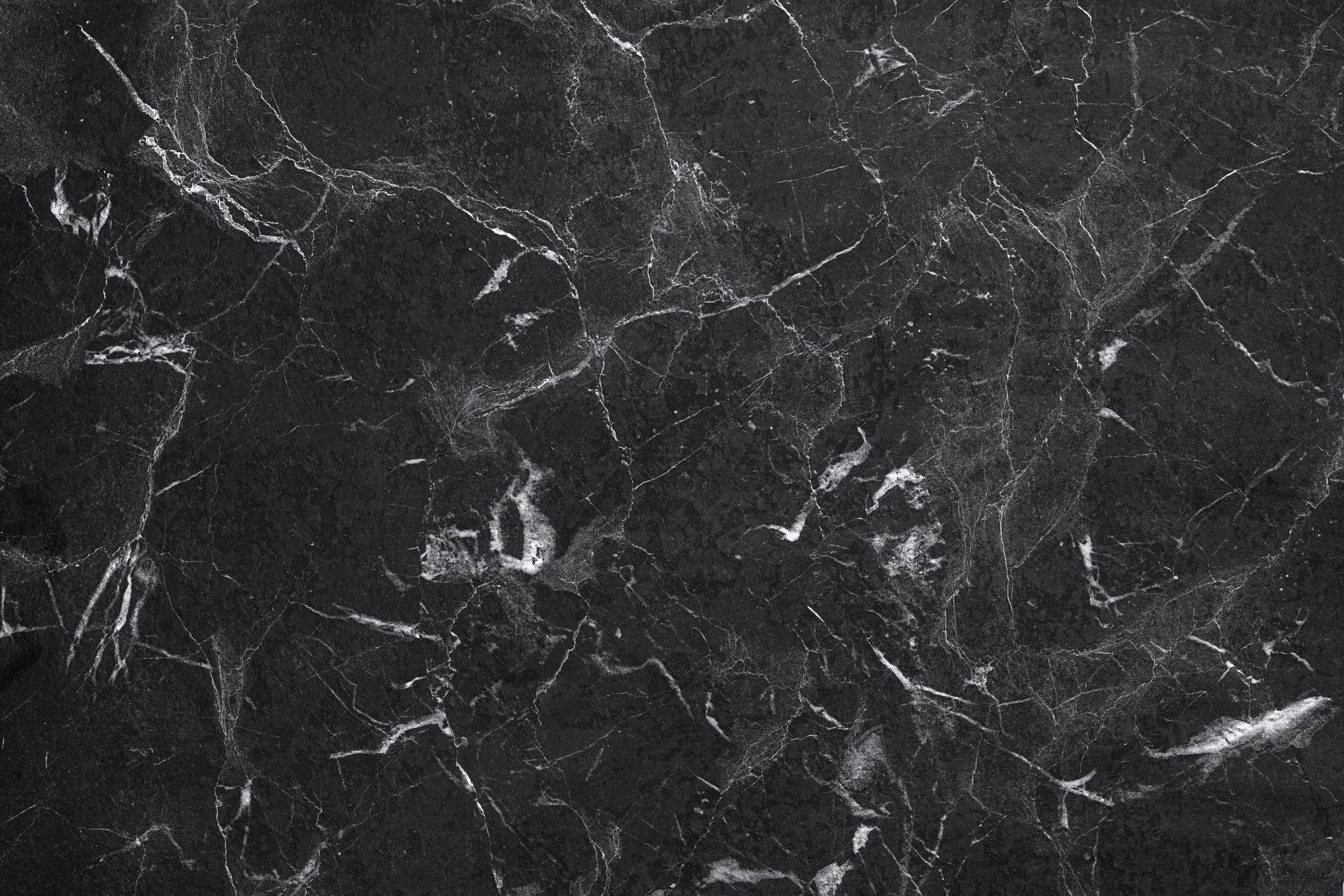
Transformed by heat/pressure/fluids. Look for foliation, banding, or recrystallized textures.
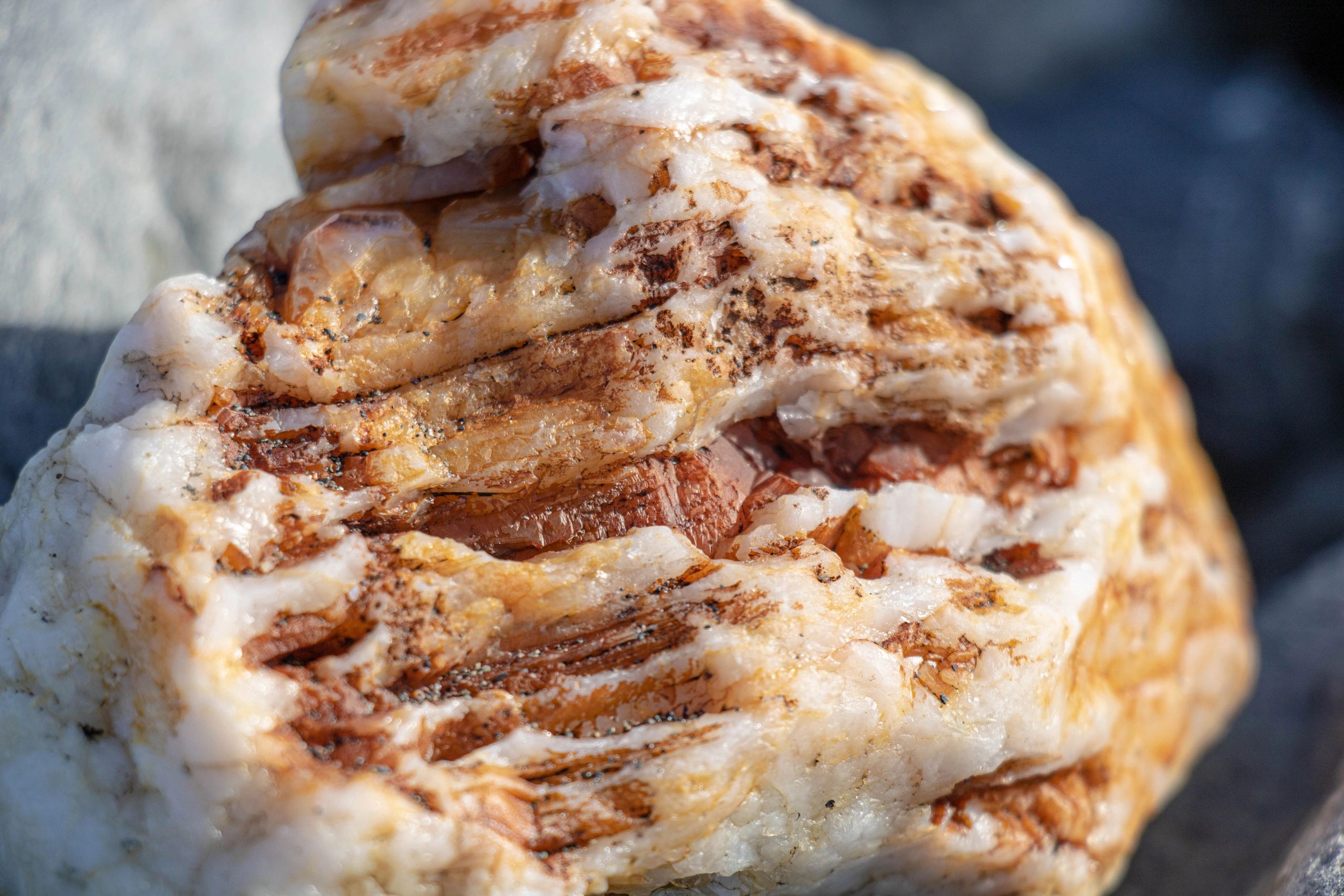
Mineral composition
Quartz, feldspar, calcite, mica, amphibole, and clay minerals drive most colors and durability.
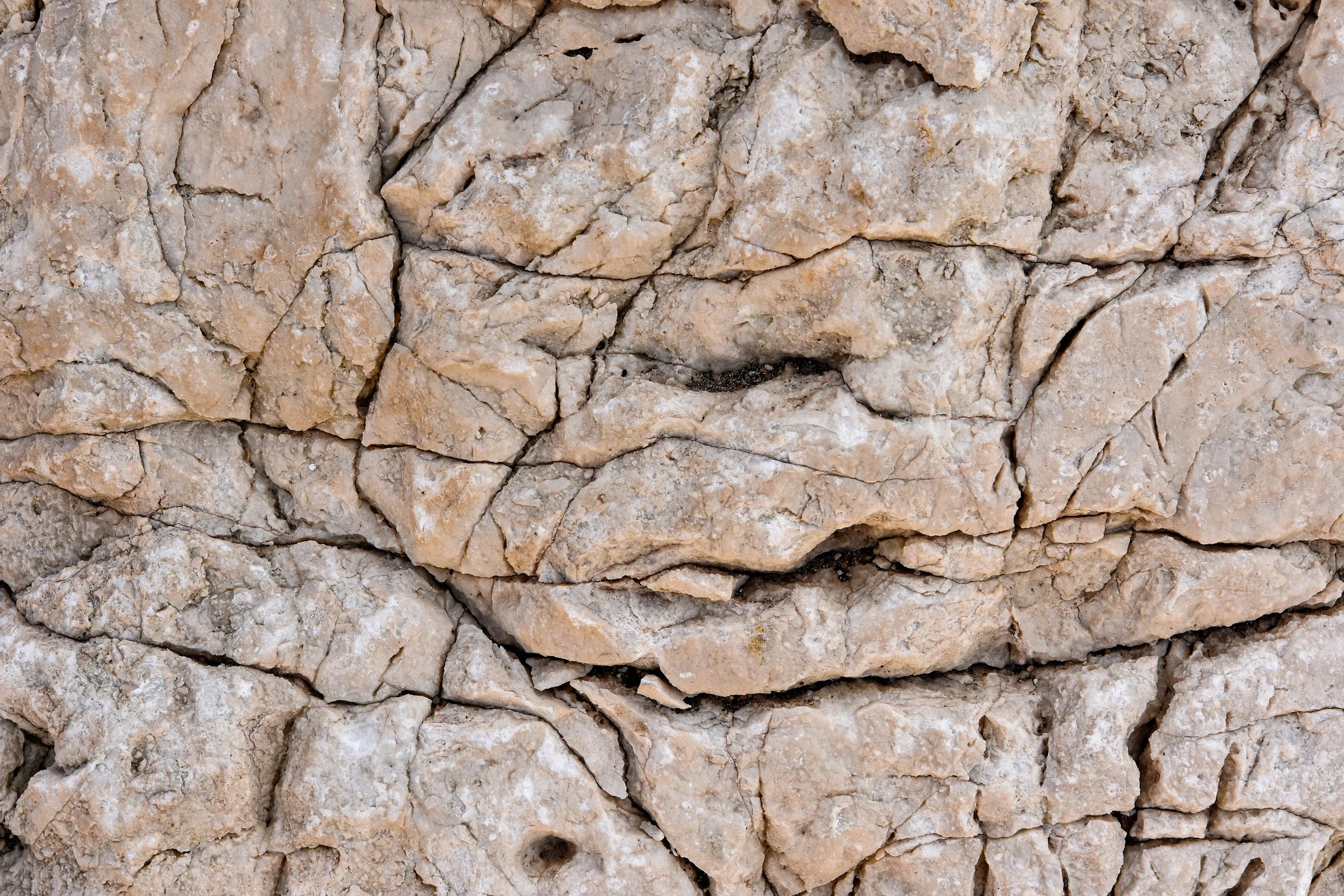
Textures & structures
Grain size, layering, pores, veins, and fractures record the stone’s history and affect performance.

Weathering & patina
Oxidation, dissolution, and abrasion can soften edges, open pores, and change color over time.
Common natural stone types
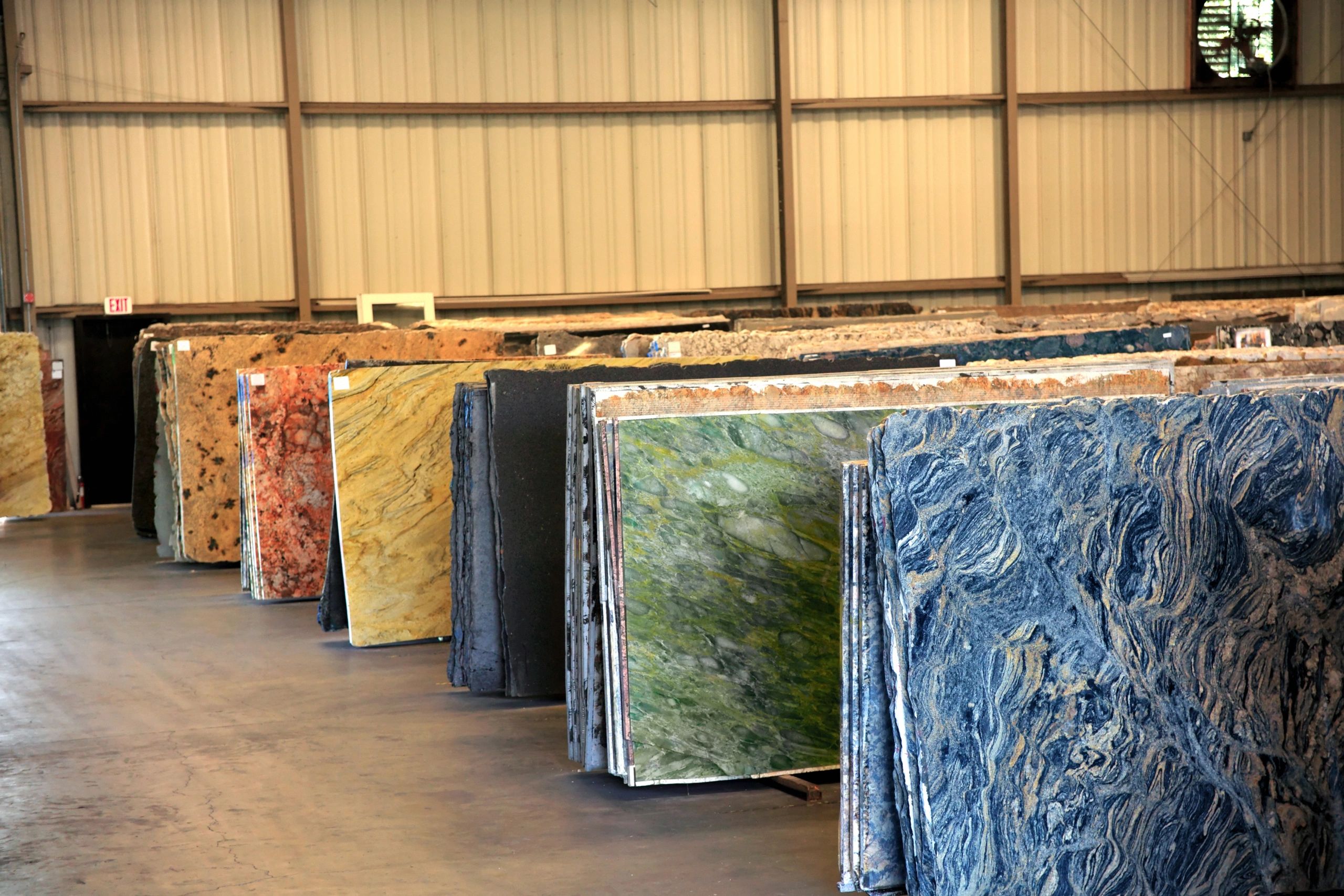
A quick visual index of widely used and widely collected stones. (Many have dedicated pages elsewhere on the site.)
Types
Stone types at a glance
These are the most common natural stones you’ll see in building, decor, lapidary, and collecting. Use them as a starting point for identification and selection.
Granite
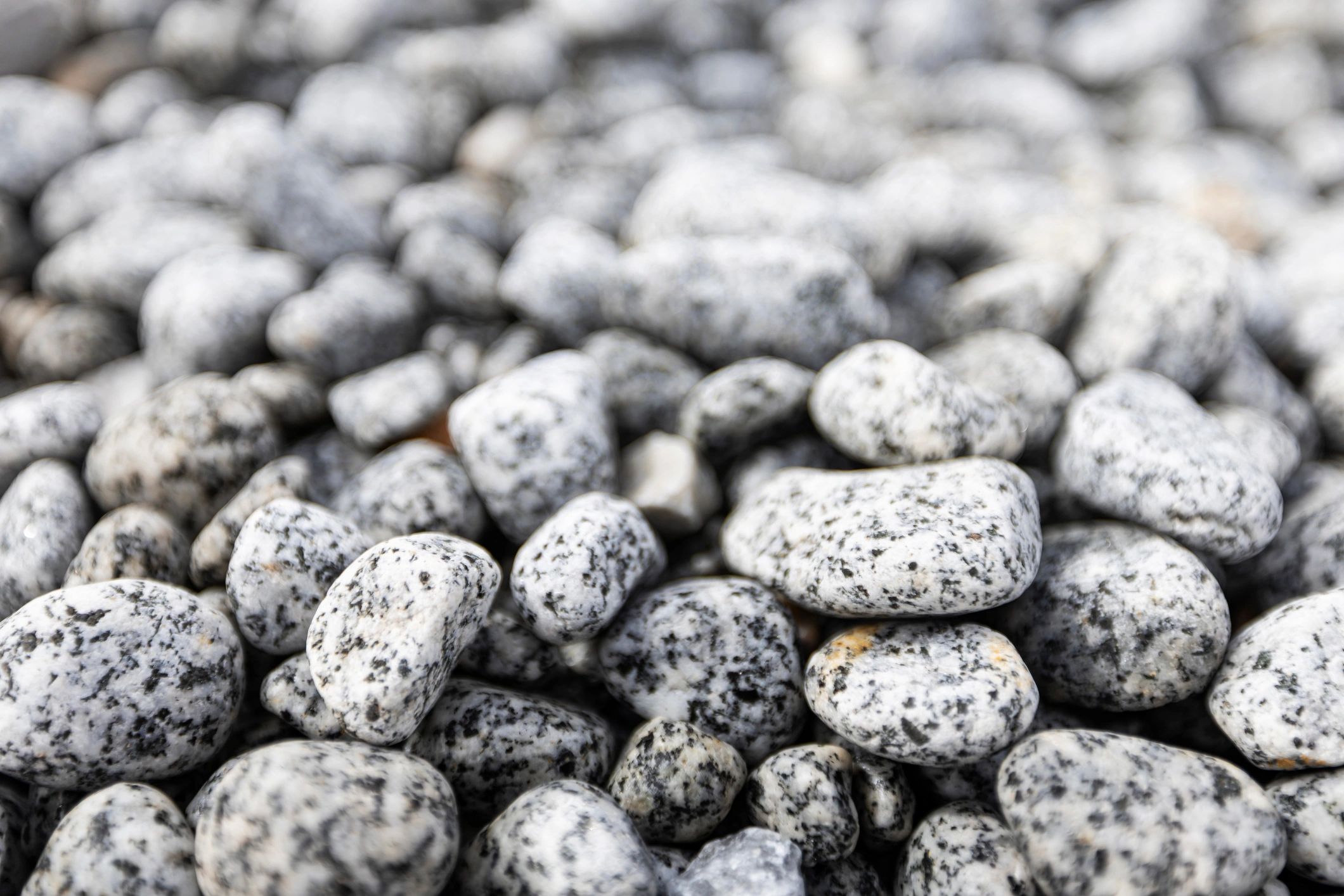
Igneous, coarse-grained, typically quartz + feldspar + mica. Durable for countertops and exterior use; look for interlocking crystals.
Marble
Metamorphosed limestone (calcite/dolomite). Takes a high polish; reacts to acids. Veining is common from impurities and recrystallization.
Limestone & travertine
Sedimentary carbonates. Limestone can be fine-grained and fossil-rich; travertine is porous and banded from spring/cave deposition.
Slate
Metamorphic, fine-grained, splits into sheets (cleavage). Great for roofing and tiles; look for planar surfaces and subtle sheen.
More
More common stones
A second set of widely encountered stones—especially in field collecting and lapidary.
Basalt
Igneous, fine-grained, dark. Often vesicular. Common in lava flows; tough and widely used as aggregate and building stone.
Sandstone
Sedimentary, sand-sized grains (often quartz). Look for gritty feel and bedding; cement type affects durability.
Quartz & agate
Quartz is a mineral; agate is banded microcrystalline quartz (chalcedony). Hard, takes polish, common in nodules and veins.
Jade, obsidian, flint/chert, petrified wood
Jade (jadeite/nephrite) is tough and fine-grained; obsidian is volcanic glass; flint/chert is microcrystalline quartz; petrified wood is silica-replaced fossil wood with visible grain.
Origins
Where natural stones are found
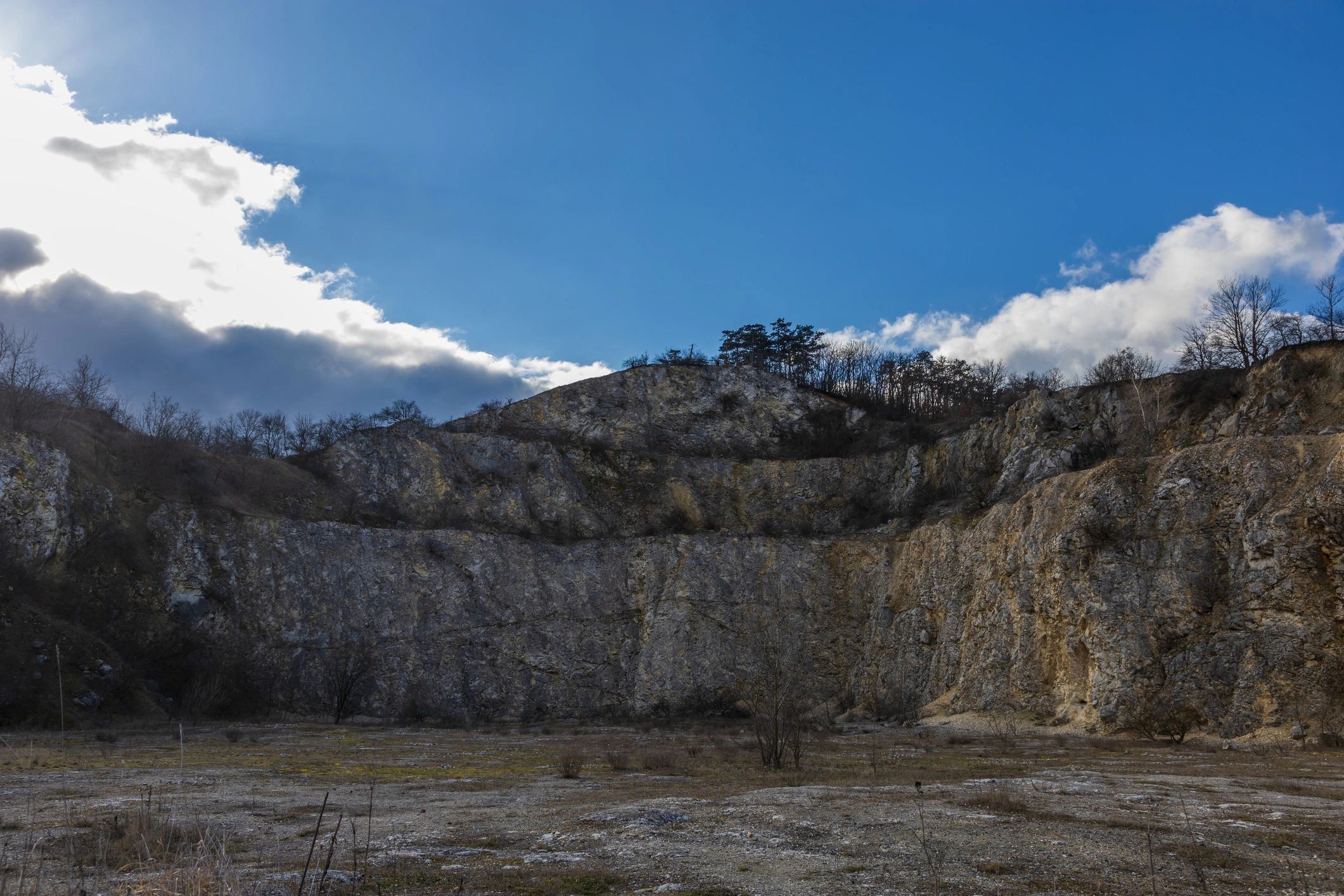
Stones occur worldwide, but their “where” is tied to plate tectonics, ancient seas, mountain building, volcanism, and sedimentary basins. For country-by-country browsing, use the Origins section.
Tectonic settings
Volcanic arcs and rifts produce basalt and volcanic glass; mountain belts expose metamorphic rocks; stable cratons host granites and ancient metamorphics.
Sedimentary basins
Shallow seas and carbonate platforms produce limestone; river and desert systems produce sandstone; caves and springs can precipitate travertine.
Local geology matters
Even within one country, stone types vary by region. That’s why provenance is often described by quarry, district, or formation name.
Explore by country
Start at Origins to browse stones by country, then drill down into detailed pages with “Known for” tags.
Uses
How natural stones are used
Building
Blocks, cladding, pavers, roofing, and structural stone—chosen for strength, weathering, and finish.
Decor
Tiles, slabs, fireplaces, and statement pieces—chosen for pattern, polish, and color.
Lapidary
Cabochons, beads, carvings, and inlay—chosen for hardness, toughness, and beauty.
Tools
Historically: flint/chert, obsidian, and basalt for cutting, drilling, grinding, and hunting tools.
Collecting
Specimens, crystals, and unusual textures—chosen for rarity, locality, and aesthetics.
Education
Hand samples and teaching sets—chosen to demonstrate formation, minerals, and identification tests.
Care and cleaning
Care depends on mineral chemistry and porosity. Carbonate stones (marble, limestone, travertine) are sensitive to acids; many sandstones and travertines are porous and benefit from sealing.
General tips: Use pH-neutral cleaners, wipe spills quickly, avoid abrasive pads, and test any product in a small area first. For outdoor stone, consider freeze–thaw exposure and salt damage. For polished stones, protect surfaces from etching and heat.
Ethics
Sustainability and sourcing
Natural stone can be long-lasting and repairable, but extraction and transport have impacts. Ethical sourcing focuses on transparency, worker safety, and responsible land and water practices.
Ask for provenance
Look for quarry or region information, and prefer suppliers who can explain how and where material was extracted and processed.
Choose durable, repairable stone
Longevity is a sustainability advantage. A stone that lasts decades (or centuries) can outperform short-lived alternatives.
Mind the footprint
Heavier stones travel with higher shipping emissions. When possible, consider regional stones or consolidated shipments.
Respect cultural heritage
Avoid materials with unclear legality or cultural sensitivity. When in doubt, choose documented, responsibly sourced alternatives.
Natural stones FAQ
Quick answers to common questions about natural stone selection, identification, and care.
Is “natural stone” the same as “rock”?
In everyday use, yes—natural stone usually refers to rocks and minerals used in their natural form. Geologically, a rock is an aggregate of minerals, while a mineral is a single crystalline substance.
Why does marble etch?
Marble is mostly calcite (calcium carbonate), which reacts with acids (like vinegar, citrus, or some cleaners), leaving a dull etched spot even if the stone isn’t “stained.”
How can I tell quartz from calcite?
Try a hardness check: quartz (Mohs 7) scratches glass; calcite (Mohs 3) does not. Calcite also has strong cleavage and reacts to weak acid.
What’s the difference between flint and chert?
They’re closely related microcrystalline quartz rocks. “Flint” is often used for darker, high-quality chert that fractures sharply and was favored for tools.
Does sealing make stone waterproof?
Most sealers reduce absorption and staining, but they don’t make stone fully waterproof. Maintenance and correct cleaner choice still matter.
Where should I start if I want stones by country?
Use Origins to browse by country and follow “Known for” tags to related stones and topics.