Core ideas
How names work
Rock names are shorthand. They often encode mineral proportions, grain size, and formation setting.
Mineral names
A mineral species is defined by composition + crystal structure (e.g., quartz = SiO₂). Variants may be described by habit, color, or impurities.
Rock names
Rocks are classified by origin (igneous/sedimentary/metamorphic) and then refined by composition and texture (e.g., basalt vs. gabbro).
Modifiers
Terms like “porphyritic,” “vesicular,” “micaceous,” or “calcareous” add detail without changing the base name.
Formal systems
Igneous: QAPF/TAS; sedimentary: siliciclastic vs. carbonate; metamorphic: protolith + grade + fabric.
In plain terms
A rock name is a recipe
What it’s made of
Mineral proportions (quartz, feldspar, carbonates, etc.).
How it formed
Cooling from melt, deposition, or metamorphism.
What it looks like
Grain size, layering, foliation, vesicles, and other textures.
Where it fits
A consistent place in a classification chart.
Examples in images
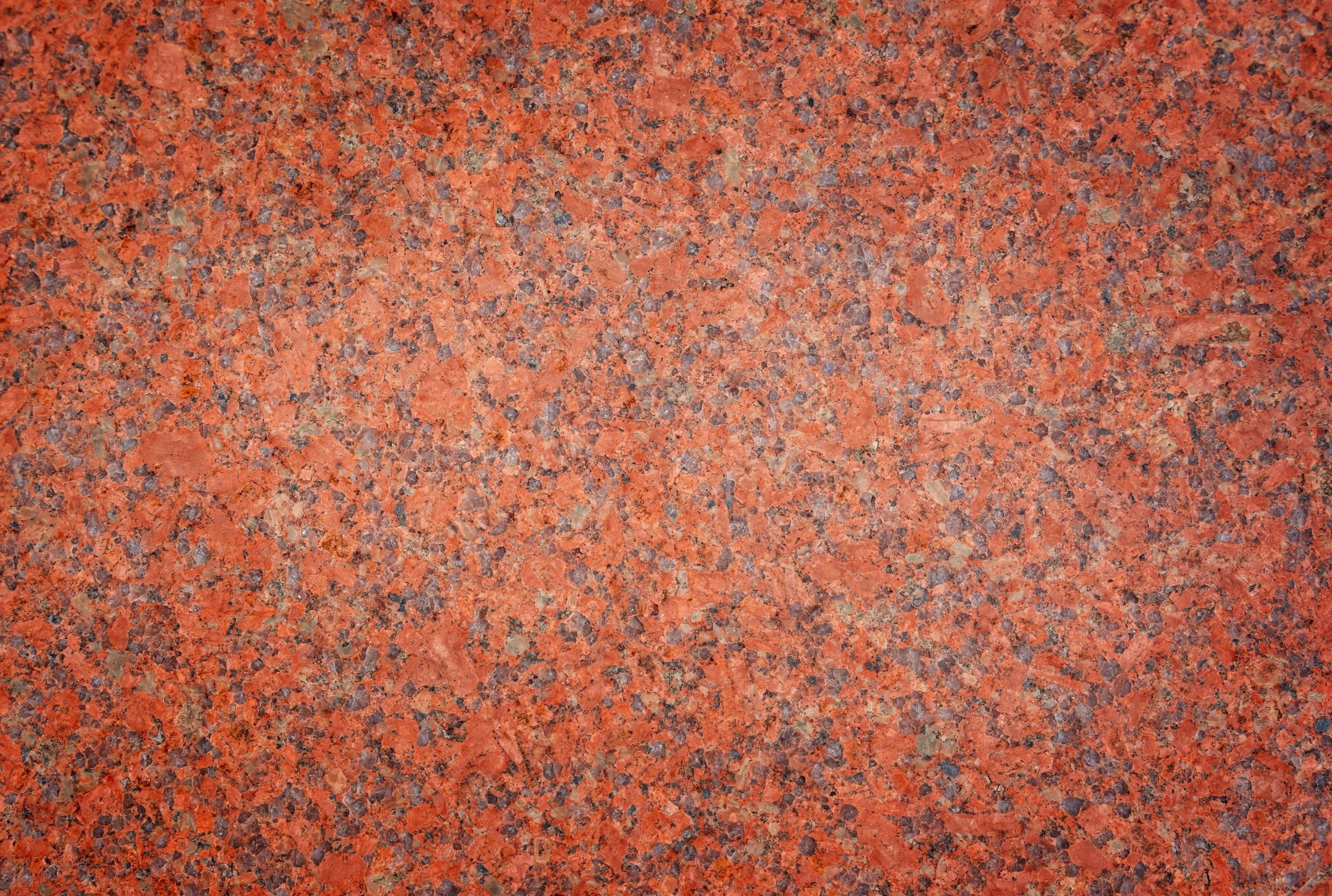
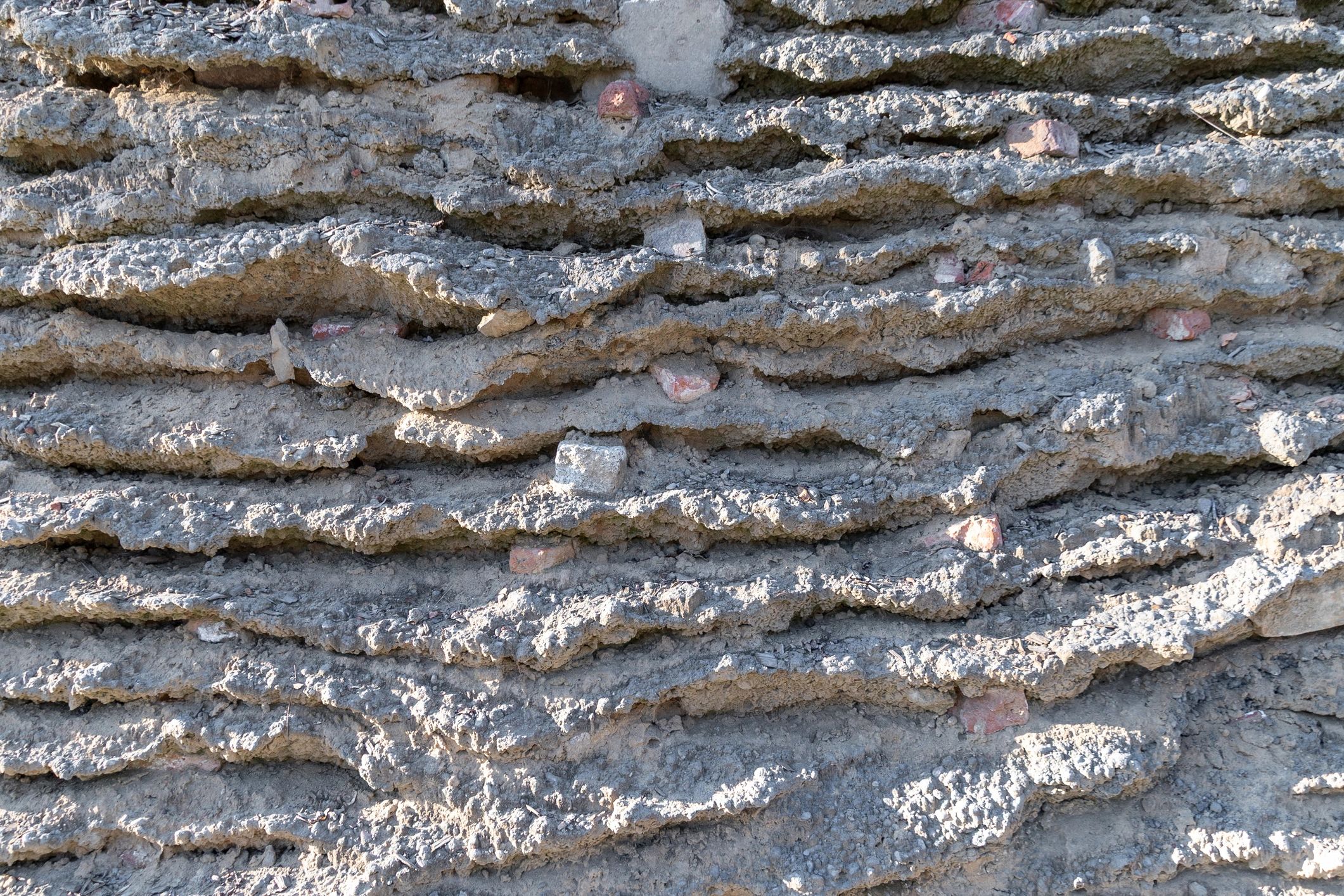
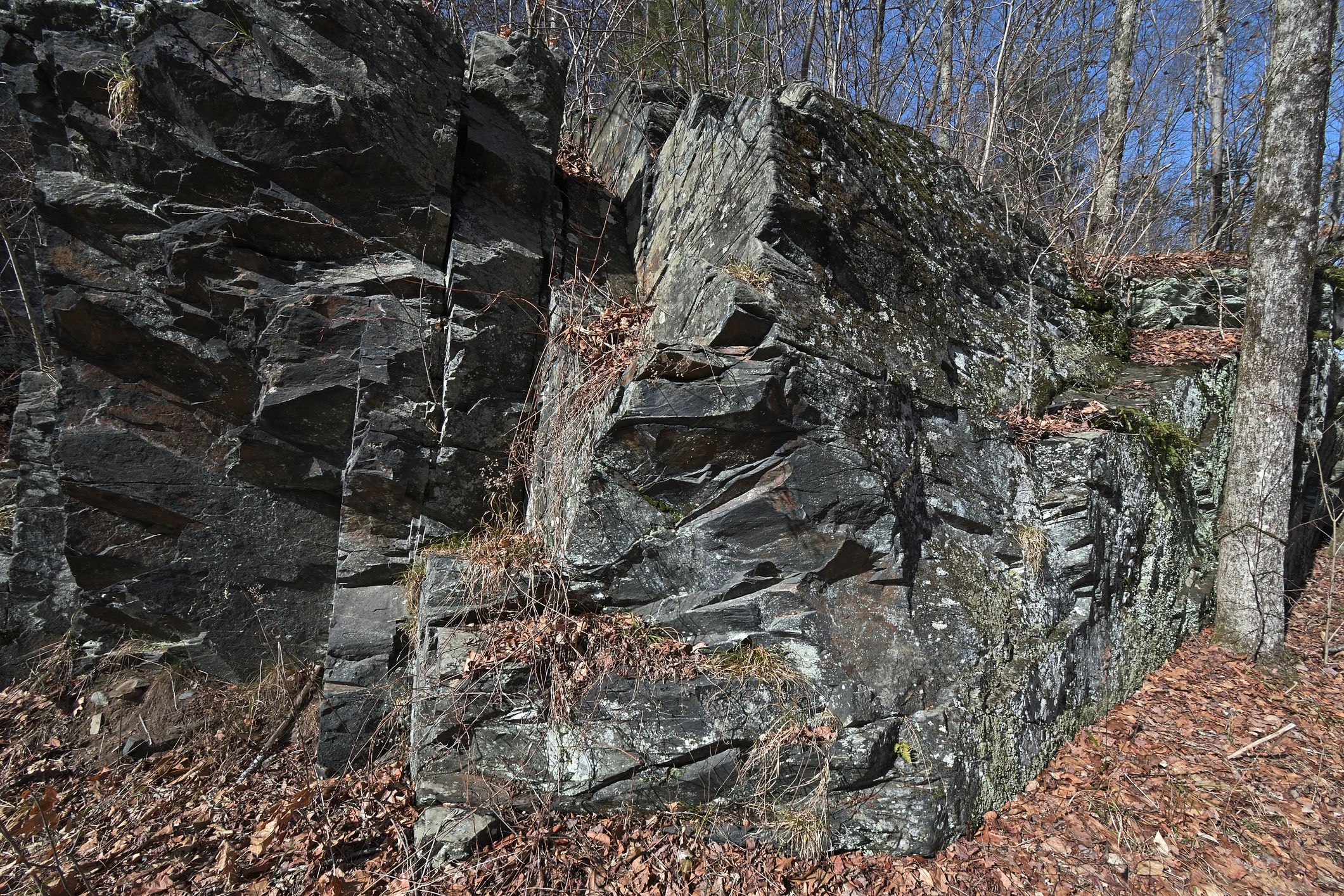
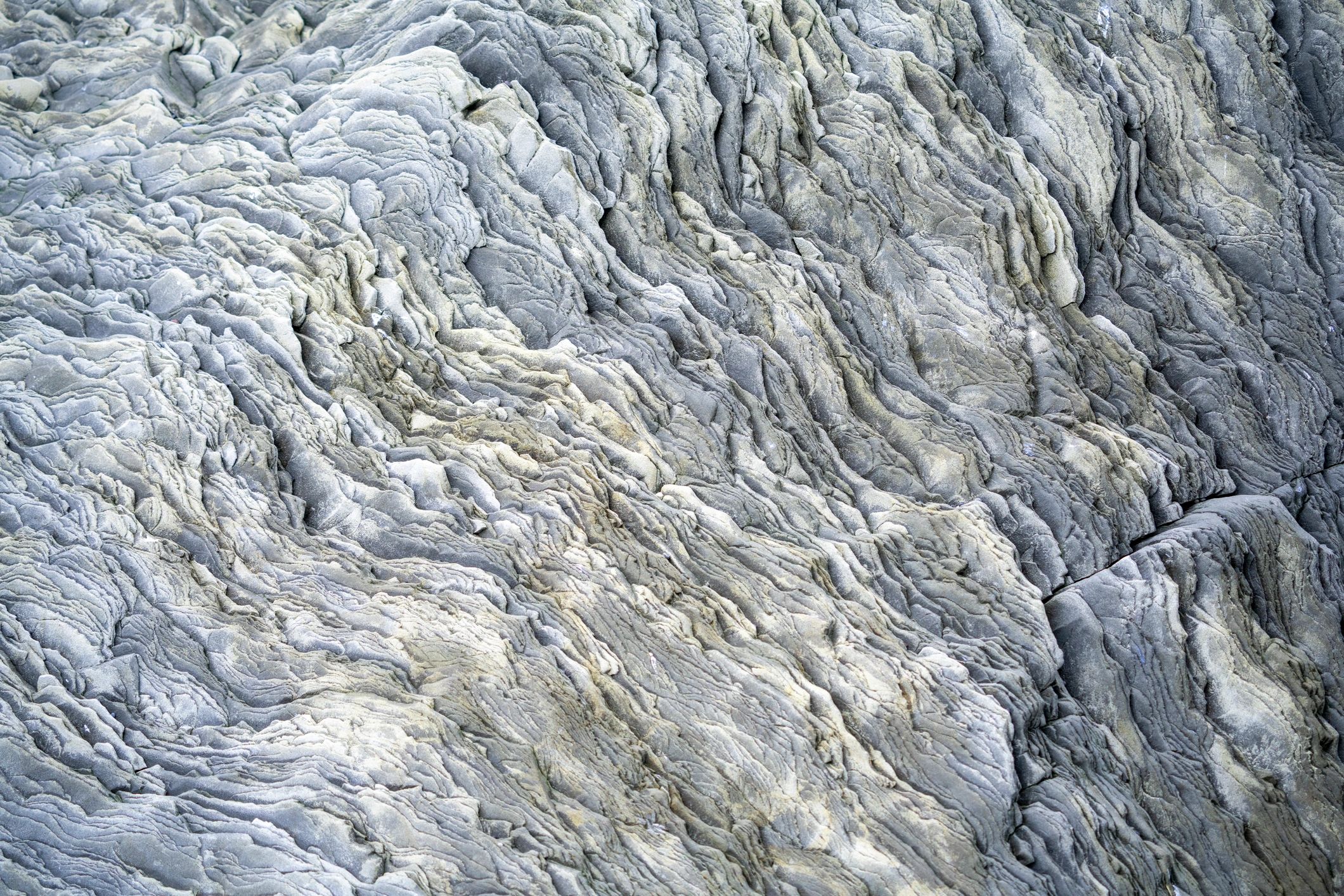
Textures and structures that commonly appear as modifiers in scientific names.
Continue with the overview
Return to the Stone Science overview for the full chapter list and glossary.