Archaeology / Timeline
Timeline
A compact, study-friendly chronology of major periods, key technologies, and stone-centered evidence—from early toolmaking to industrial archaeology.
How to use this page
Use the period blocks below as a quick index. Each section highlights what archaeologists look for, which stone materials tend to matter, and how dating and context shape interpretation.
At a glance
What changes through time
Archaeological “time” is built from stratigraphy, typology, and absolute dating. Across periods, stone remains central—whether as raw material, architecture, or the geological context that preserves sites.
This timeline is intentionally broad. Regional sequences vary, and many innovations overlap for centuries depending on ecology, mobility, and social networks.
When in doubt, prioritize context: where an object was found, what it was found with, and how the deposit formed.
Early archaeology
Lower Paleolithic (c. 3.3M–300k BP)
Earliest known stone tool traditions and long-lasting handaxe technologies. Look for core-and-flake reduction, large cutting tools, and raw-material choices tied to local geology.
Common evidence includes river-gravel cobbles, basalt and quartzite hammerstones, and flake scars that show repeated, patterned removals. Site formation often involves water transport—so distinguishing human-made flakes from natural breakage is crucial.
Hunting & fire
Middle Paleolithic (c. 300k–45k BP)
Prepared-core methods (including Levallois) and more standardized flakes. Stone toolkits often track mobility, hunting strategies, and the organization of work at camps.
Chert and flint become especially important where available; heat-altered stone and hearth features can preserve activity areas. Analysts focus on refitting, edge damage, and reduction sequences to reconstruct behavior.
Microliths & art
Upper Paleolithic (c. 45k–12k BP)
Blade technologies, composite tools, and expanding symbolic material culture. Stone is used not only for tools but also for pigments, ornaments, and engraved objects.
Look for long, narrow blades struck from carefully prepared cores; fine-grained raw materials are favored. Caves and rockshelters often preserve long stratigraphic sequences that anchor regional chronologies.

Transitions
Mesolithic / Epipaleolithic (c. 12k–8k BP)
Highly variable regional adaptations after the last Ice Age. Small, efficient stone inserts (microliths) often support hunting and fishing technologies.
Assemblages can shift quickly with climate and settlement patterns. Archaeologists track changes in tool forms, raw-material procurement, and site types (shell middens, lakeshore camps, upland hunting stations).

Farming & villages
Neolithic (c. 10k–4k BCE)
Domestication, sedentism, and new stone technologies—ground stone axes, querns, and architectural stonework. Ceramics and plaster floors often appear in many regions.
Stone sourcing becomes a window into exchange networks: obsidian, flint, and high-quality cherts can travel far. Built environments (walls, foundations, megaliths) create durable archaeological signatures.
Alloys & trade
Bronze Age (c. 3300–1200 BCE)
Metallurgy expands, but stone remains essential: molds, grinding stones, weights, seals, and monumental architecture. Quarrying and stone finishing become more specialized.
Archaeologists look for production debris (slag, crucibles), workshop areas, and standardized measures. Stone sources can map political economies—who controlled quarries, routes, and skilled labor.
Iron & empires
Iron Age (c. 1200–500 BCE, varies)
Ironworking spreads unevenly across regions. Fortifications, roads, and urban stone architecture often intensify, alongside new ceramic and burial traditions.
Stone-built landscapes—terraces, walls, and defensive works—can be dated through stratigraphy and associated artifacts. Metallurgical residues and furnace remains help reconstruct production and environmental impacts.
Cities & infrastructure
Classical & Historic Periods (c. 500 BCE–1500 CE)
Written records join material evidence. Stone is central to public architecture, inscriptions, sculpture, and engineered landscapes (aqueducts, harbors, roads).
Archaeologists combine texts, epigraphy, and stratigraphy. Building stones can be traced to quarries; tool marks and mortar analysis reveal construction sequences and repairs over centuries.
Machines & materials
Industrial & Modern Archaeology (c. 1500 CE–present)
Factories, mines, railways, and mass-produced goods reshape the archaeological record. Stone appears in extraction landscapes, building materials, and industrial byproducts.
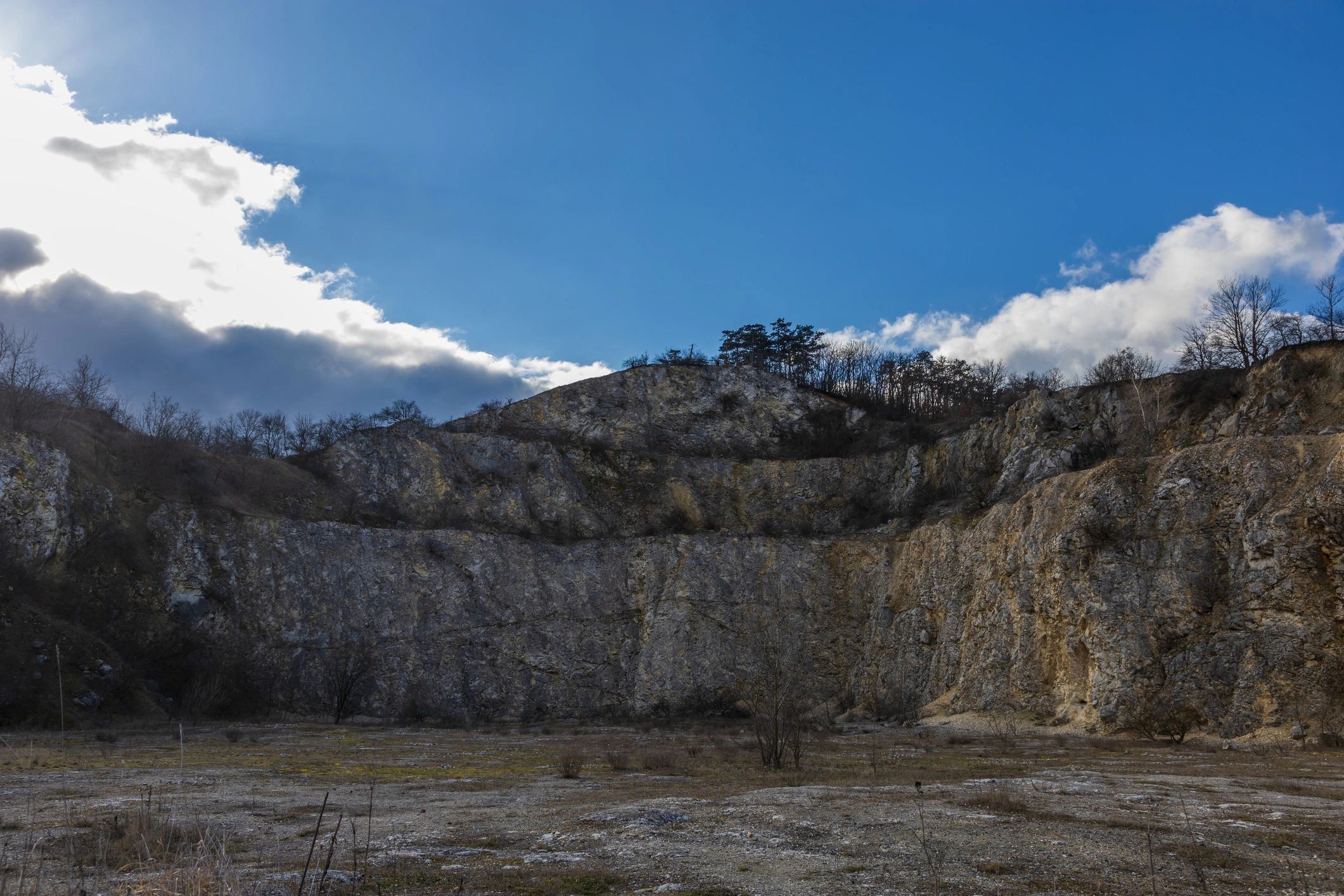
Methods often include standing-structure recording, landscape survey, and archival research. Quarry faces, spoil heaps, and stone-built infrastructure can be dated through maps, tool marks, and associated artifacts.