Limestone & Carbonates (Sedimentary)
Back to Geology · Back to Sedimentary
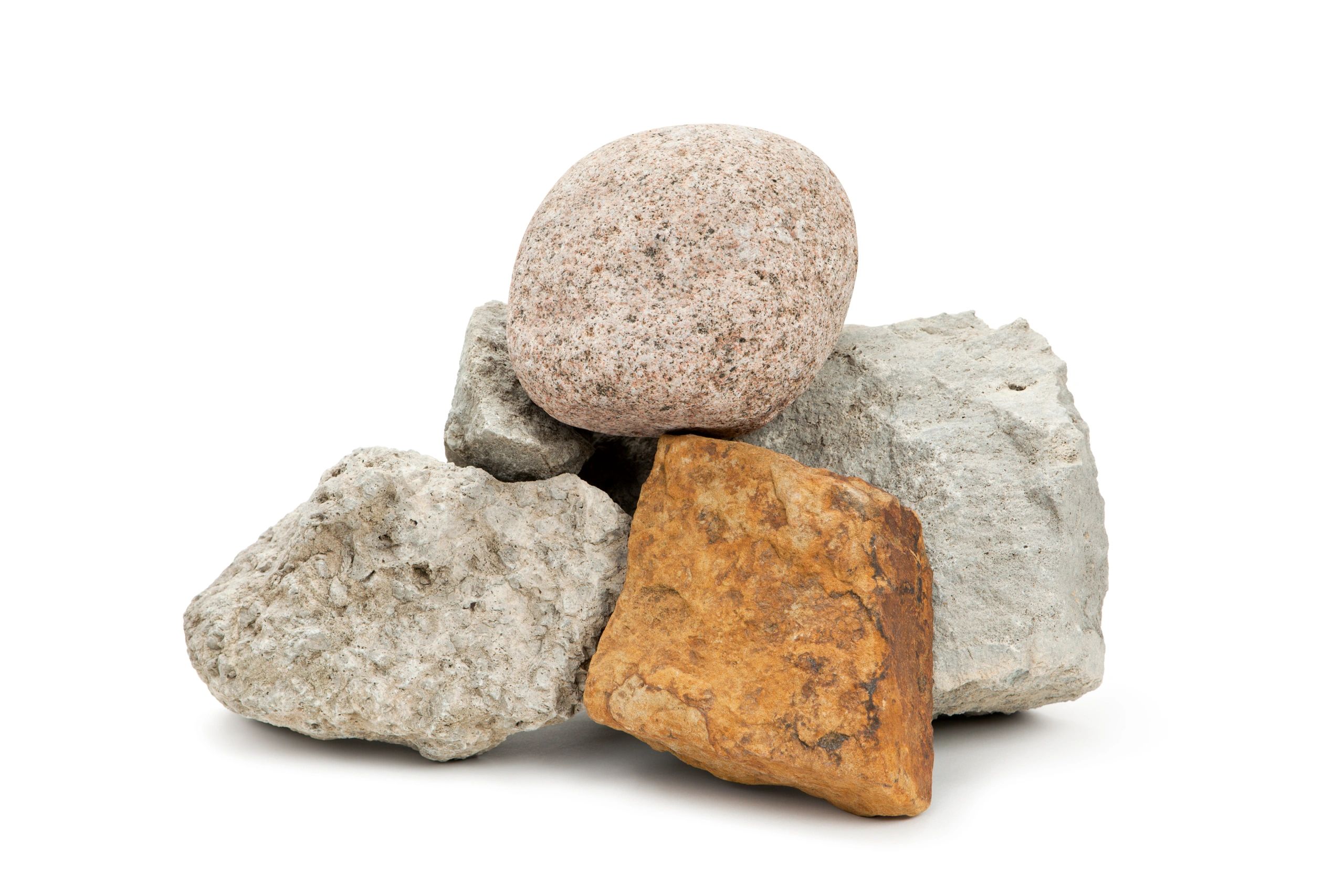
In plain terms
Limestone is often made from shells and marine life—an ocean story turned into stone.
How it forms
Carbonate rocks form from biological accumulation (shells, reefs), chemical precipitation, or reworked carbonate sediments. They’re common in warm, shallow marine settings but can form in lakes and caves as well.
Key takeaways
- Dilute acid reaction is a key field test.
- Fossils are common in many limestones.
- Carbonates can dissolve and form karst (caves, sinkholes).
- Impurities can create dolostone or marly limestone.
- Metamorphism turns limestone into marble.