Start here
What “materials” means
In archaeology, materials are the physical substances that make up artifacts, features, and sites. Material properties—hardness, porosity, grain size, corrosion behavior, and thermal response—shape how objects were made, used, traded, and preserved.
Stone & mineral materials
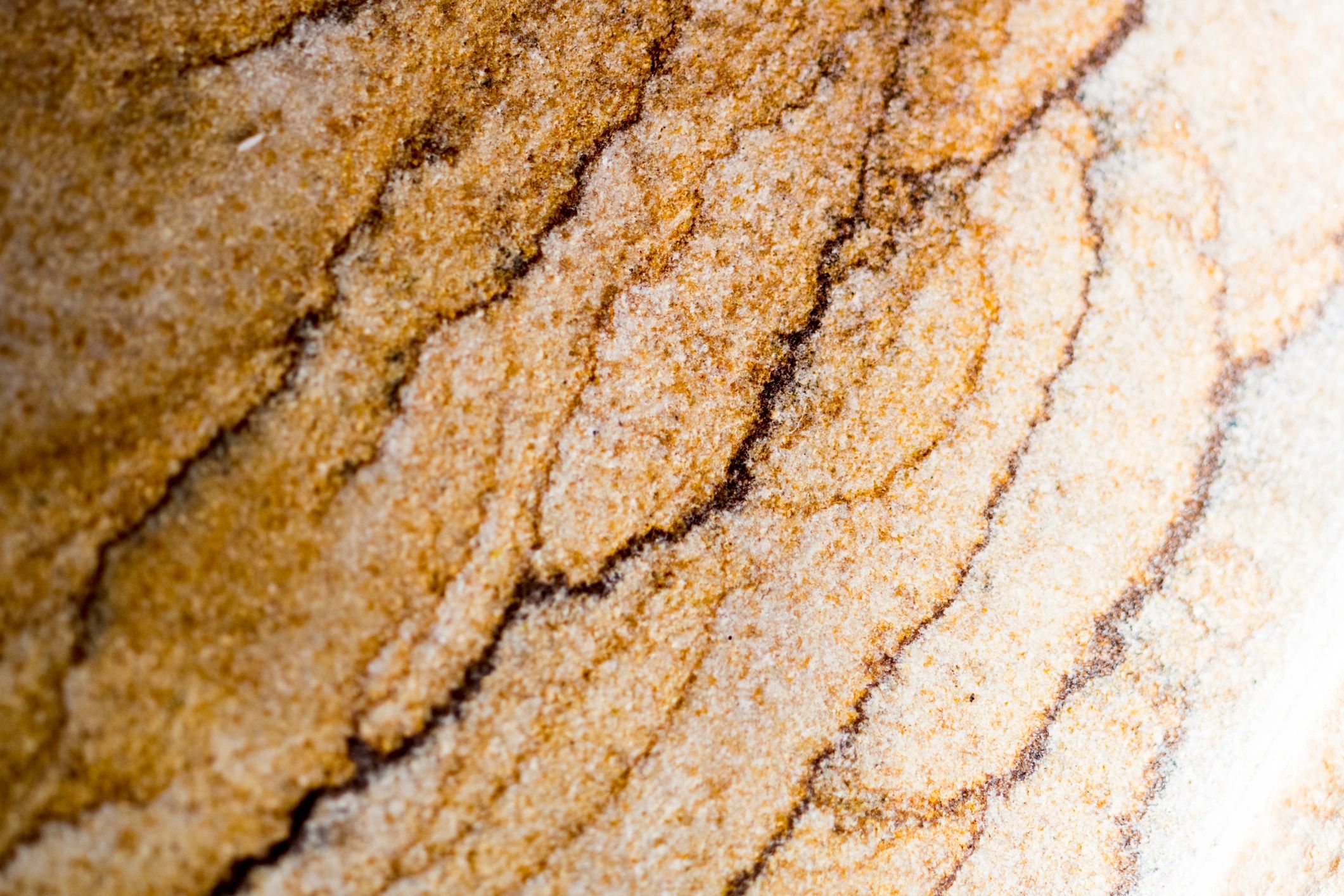
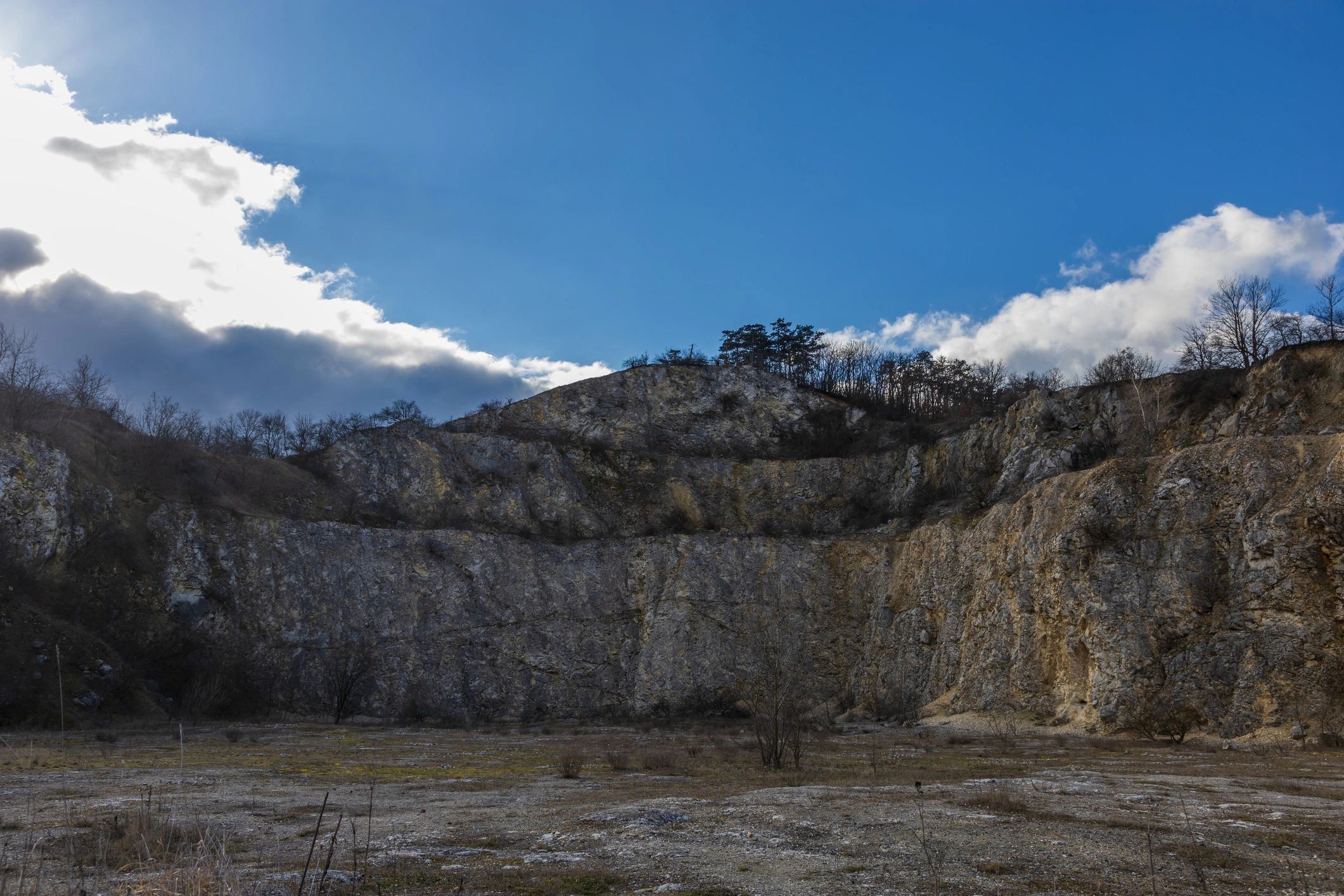
Knapped stone (flint/chert, obsidian), ground stone (basalt, granite), building stone (limestone, sandstone), and ornamentals (jade, turquoise, lapis). Often durable, but sensitive to heat, salts, and surface weathering.
Ceramics & fired clay
Earthenware, stoneware, porcelain, and architectural ceramics. Firing changes clay minerals and porosity, creating strong chronological signals through fabric, temper, and surface treatment.
Metals & alloys
Copper, bronze, iron/steel, lead, silver, and gold. Corrosion products can preserve manufacturing traces; alloying and impurities can reveal ore sources and technological choices.
Organic materials
Wood, bone, antler, shell, fiber, leather, and resins. Preservation depends on burial chemistry (waterlogging, aridity, freezing, charring) and is often highly context-specific.
Stone focus
Common archaeological stones
A quick orientation to stone materials you’ll see across toolkits, architecture, and ornament—plus what to look for when identifying them in hand.