Geochemistry (basics)

The chemistry words behind rock classification: major elements, trace elements, and what “silica-rich” really means.

Key terms

Chemistry vocabulary

You’ll see these terms in scientific descriptions, lab reports, and classification diagrams.

Major elements

Elements that make up most of the rock (Si, Al, Fe, Mg, Ca, Na, K, Ti).


Trace elements

Low concentrations that can fingerprint sources and processes (e.g., Sr, Rb, Ni, Cr, REE).


Oxides & wt%

Geochemistry often reports oxides (SiO₂, Al₂O₃) in weight percent (wt%).


Isotopes (intro)

Stable and radiogenic isotopes help trace sources and timing (e.g., Sr, Nd, Pb systems).

Chemistry in textures

Mineral color and zoning can reflect chemistry—best confirmed with lab methods.
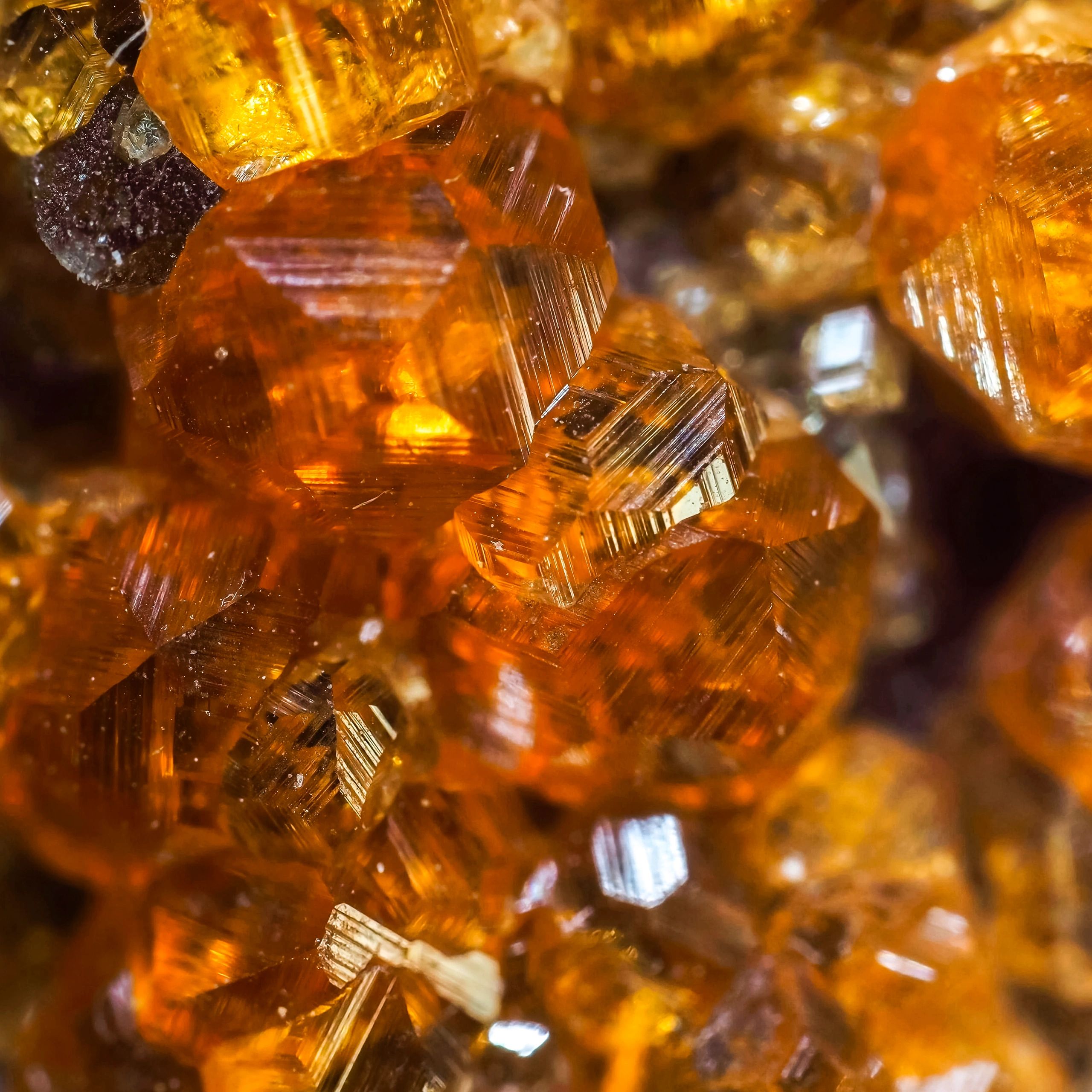
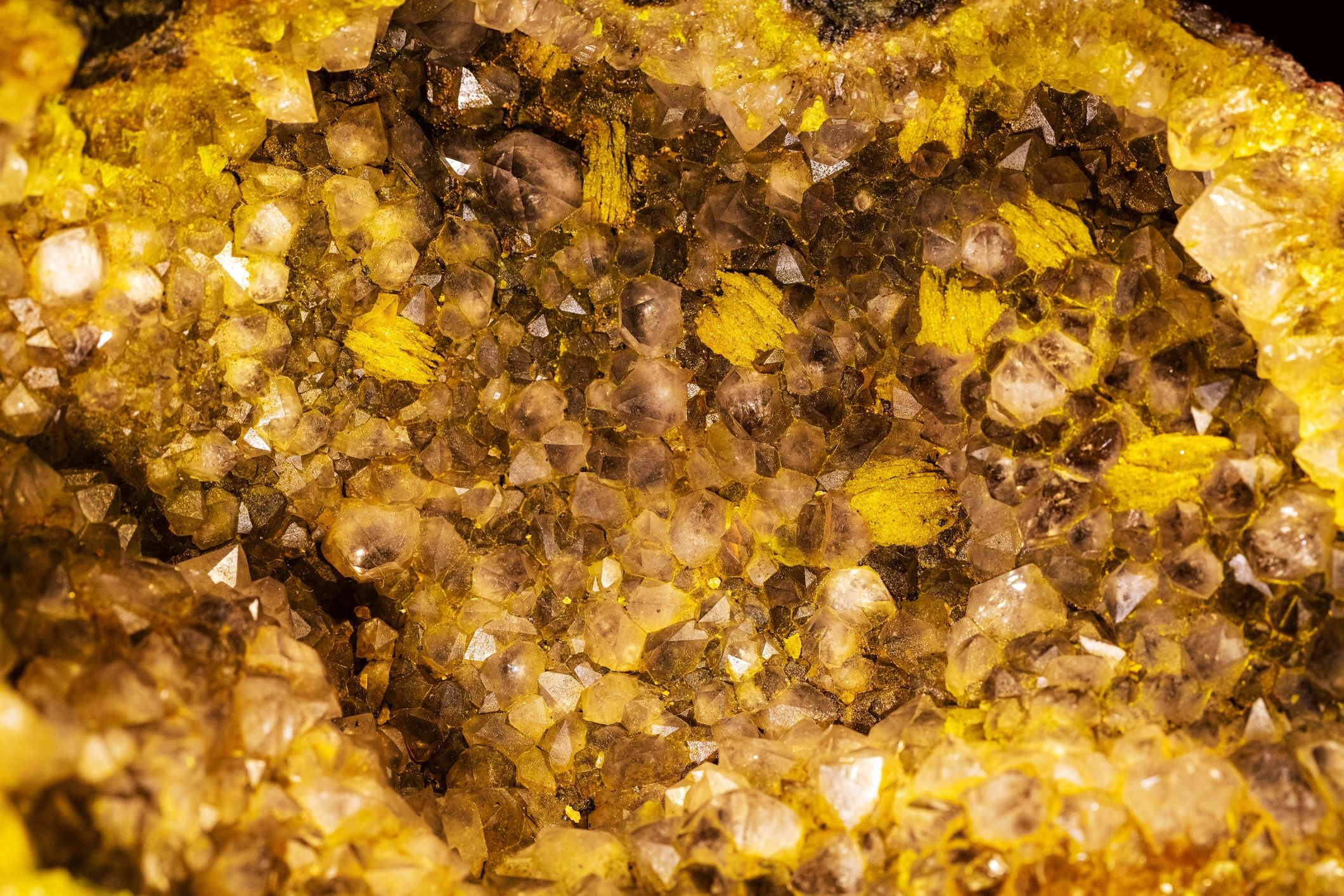
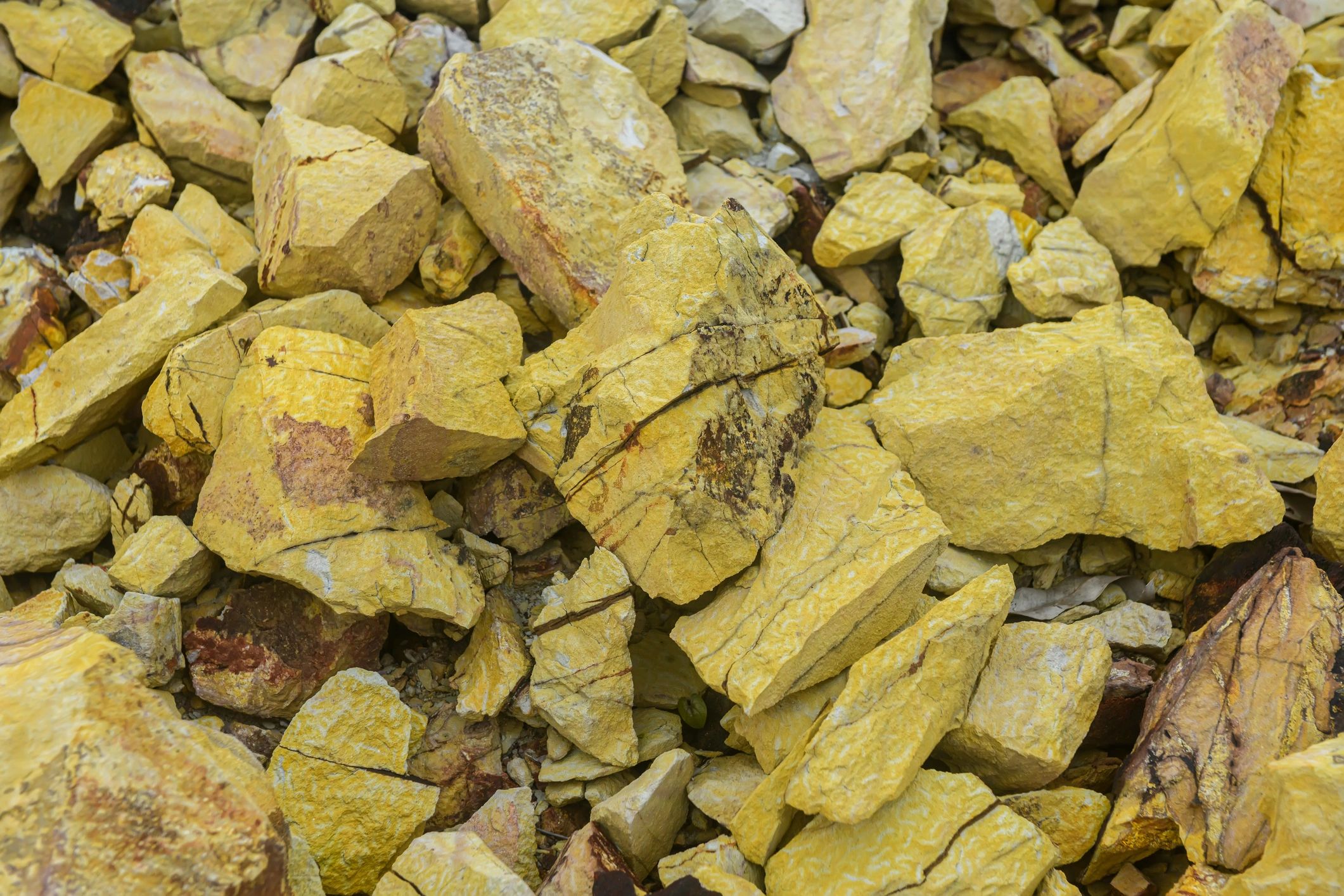
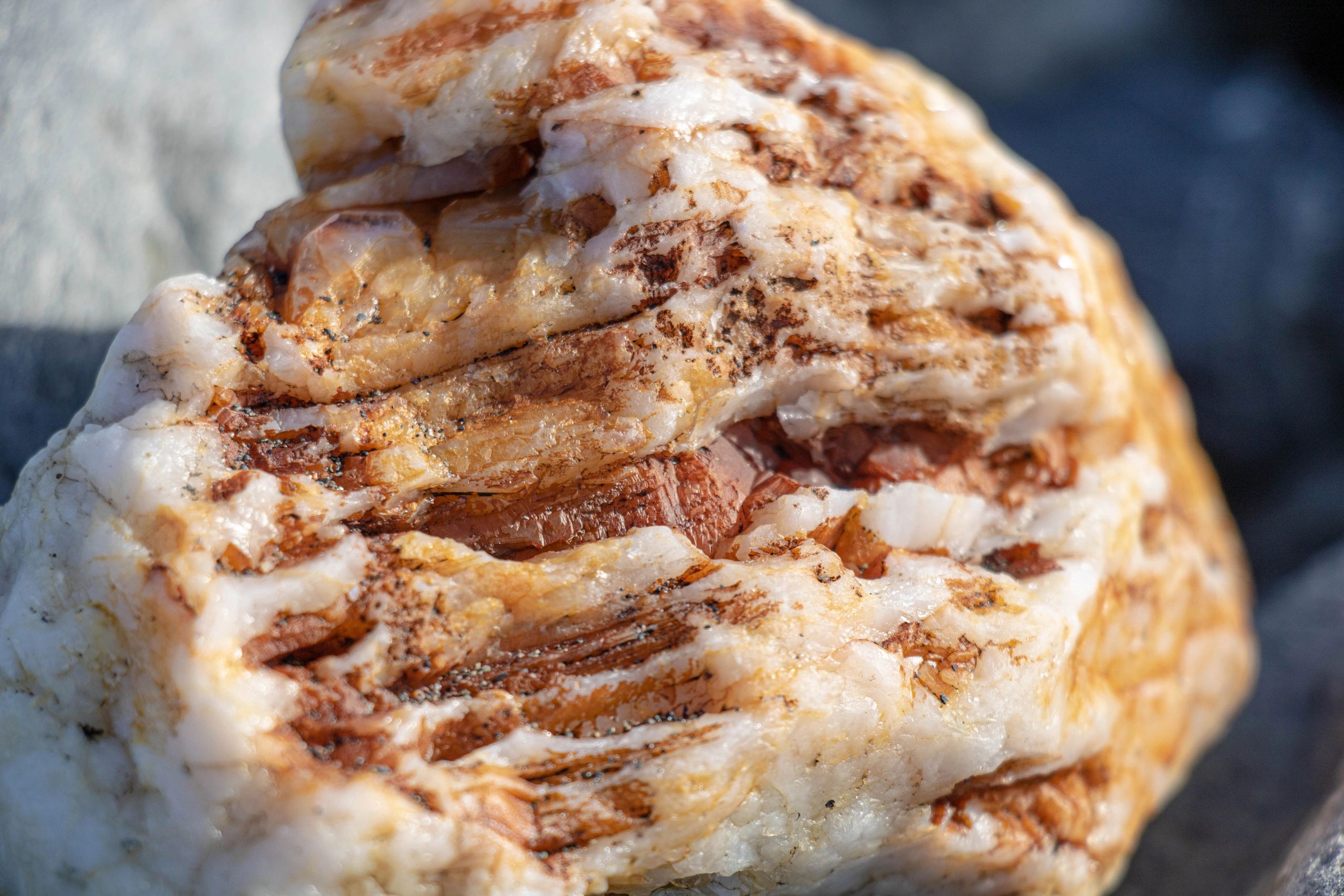
Garnet crystals showing mineral chemistry variation Quartz geode crystals Sulfur mineral texture Quartz with iron inclusions

Back to Stone Science

Return to the overview page to continue into rock-forming minerals and the full glossary.