Rock Textures (What to Look For)
Back to Geology · Back to Minerals & Identification
In plain terms
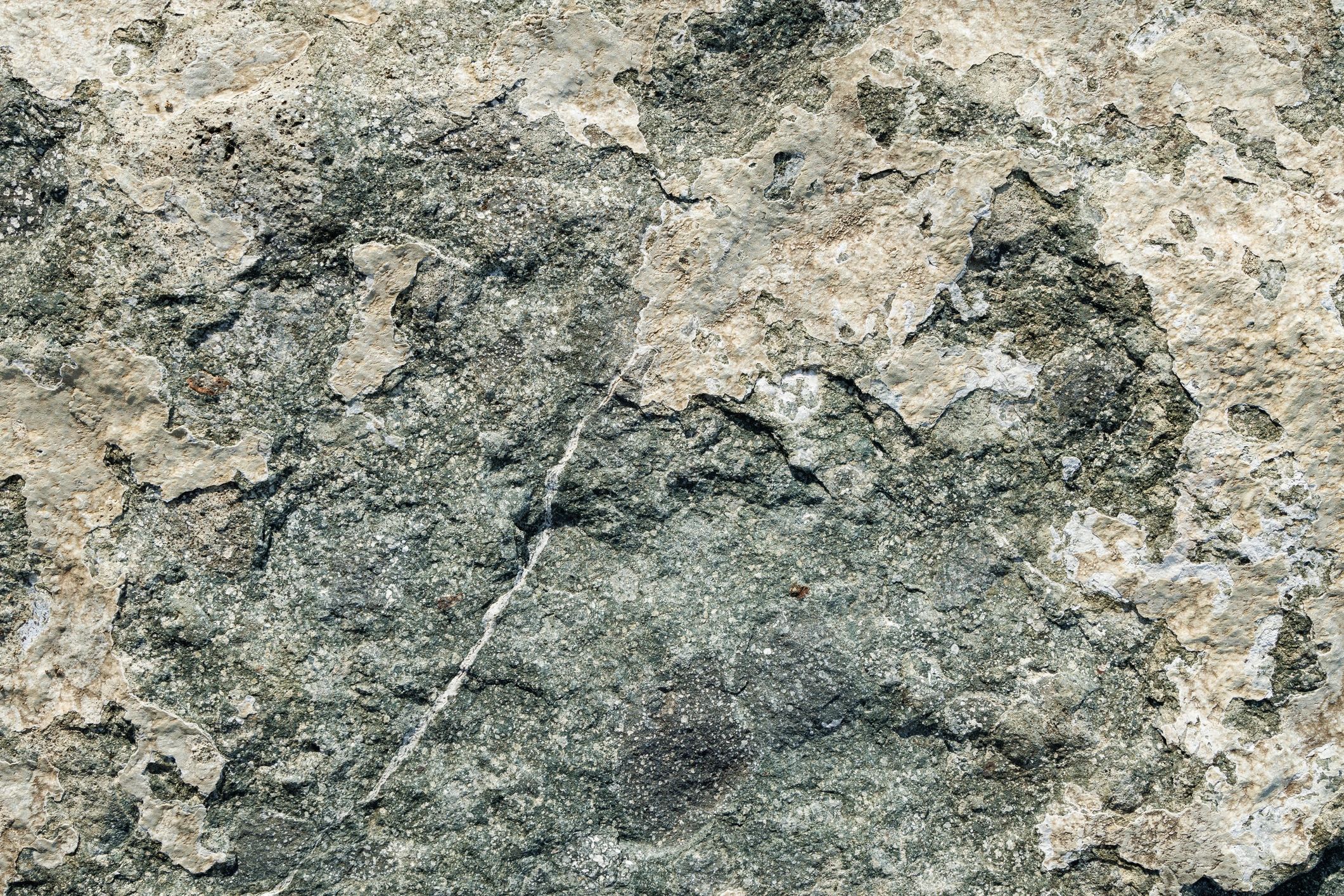
Texture is the story of formation written in grain size, shapes, and patterns.
Common textures
- Coarse crystalline: slow cooling (often intrusive igneous).
- Fine crystalline: faster cooling (often extrusive igneous).
- Glassy: quenched melt (obsidian).
- Clastic: cemented grains (sandstone, conglomerate).
- Bedded/layered: deposition or flow layering.
- Foliated: aligned minerals from metamorphism (schist).
- Vesicular: gas bubbles in volcanic rocks.
Key takeaways
- Texture is often more diagnostic than color.
- Grain size is a proxy for cooling/transport history.
- Layering can form in multiple ways—look for context.
- Foliation indicates directed pressure and deformation.
- Use a hand lens to see what your eyes miss.