Contents
Table of Contents
Jump to the main sections on this page.
Peoples
Many places, many traditions
Indigenous peoples are not a single culture. Stone use varies by environment, available rock types, and cultural practice. The examples below are material-focused and non-exhaustive—use them as starting points for deeper, community-specific learning.


Usage
Stone technologies cover a wide range of daily needs. These categories help you recognize tool types and the rocks commonly chosen for each.
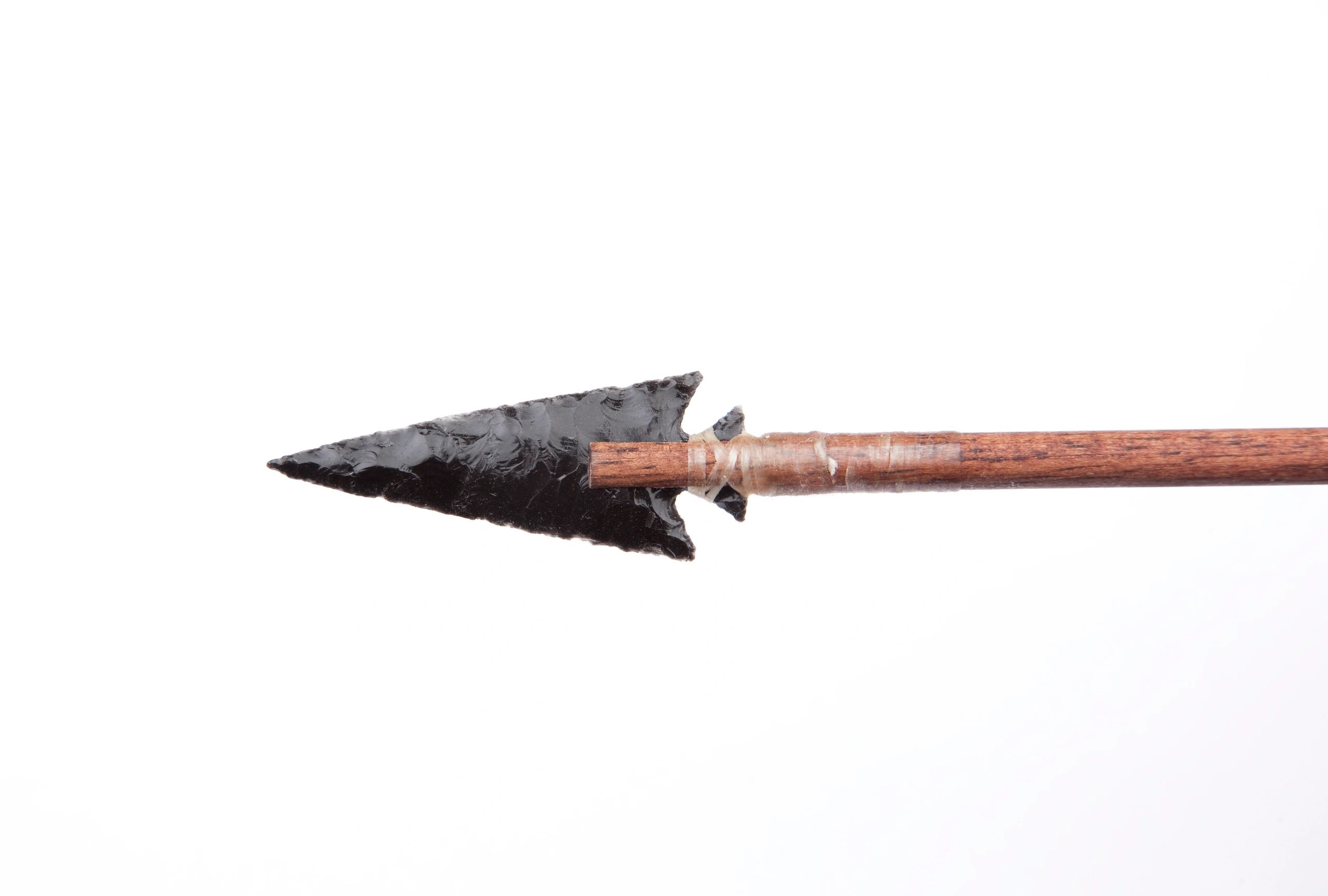
Hunting & fishing
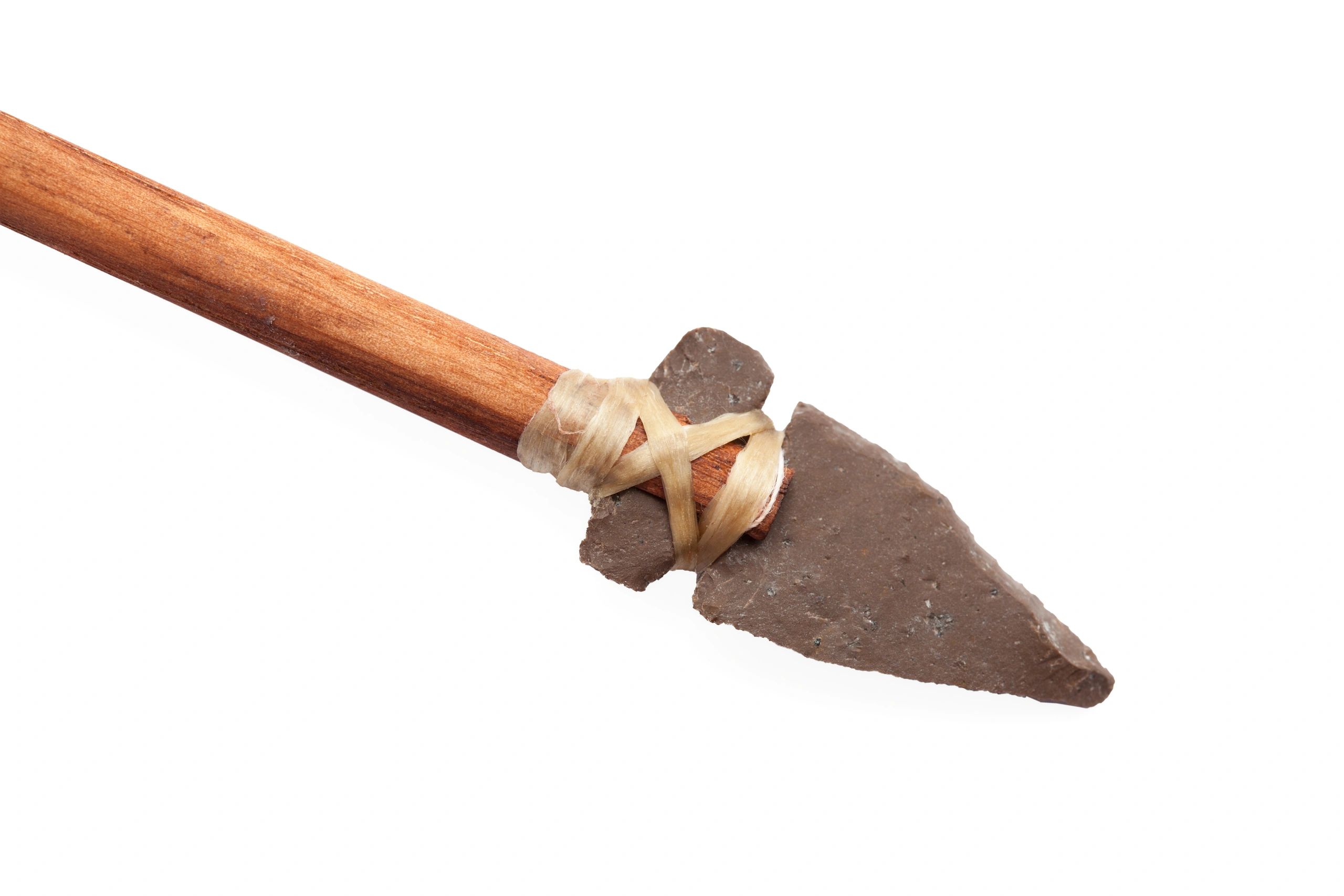
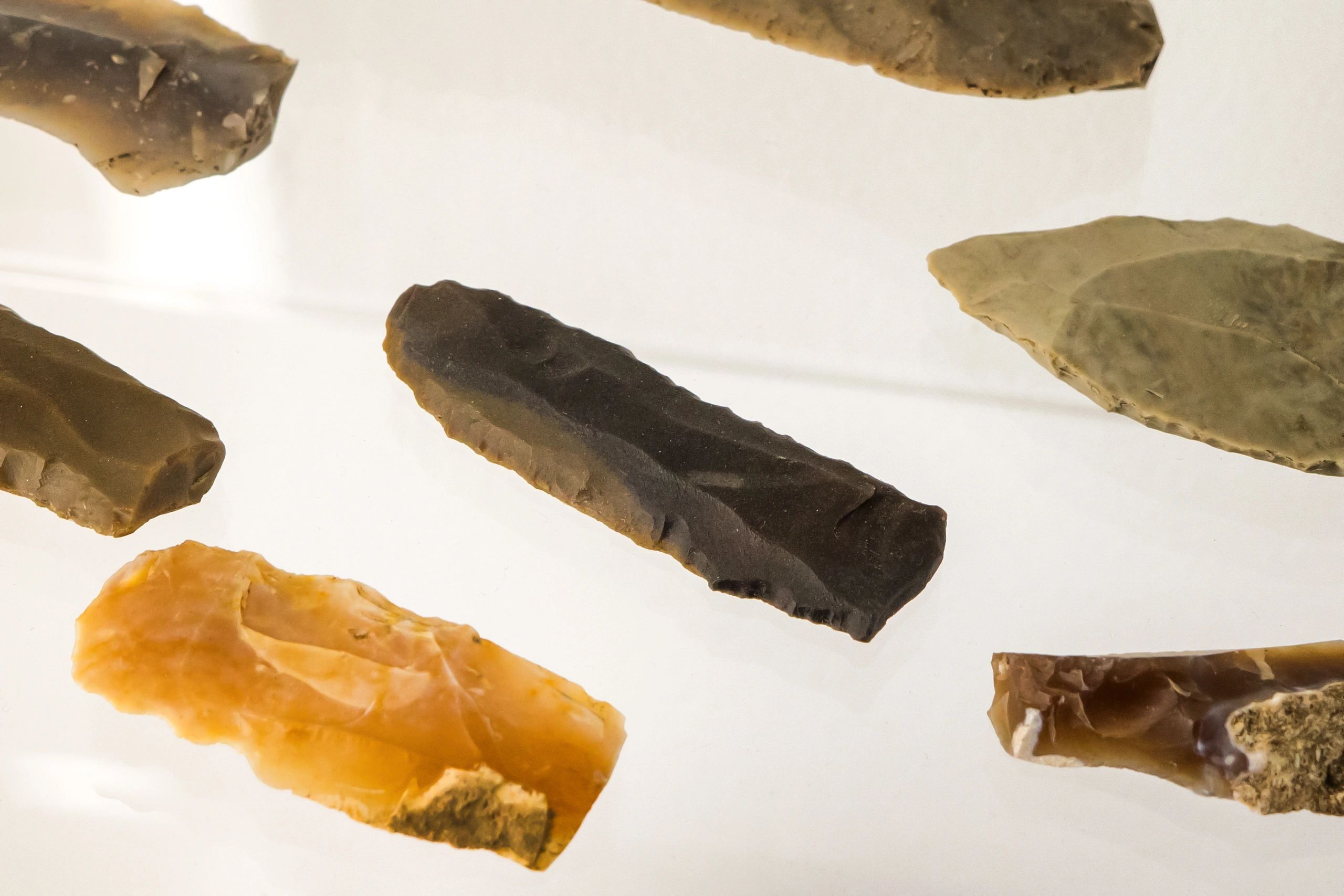
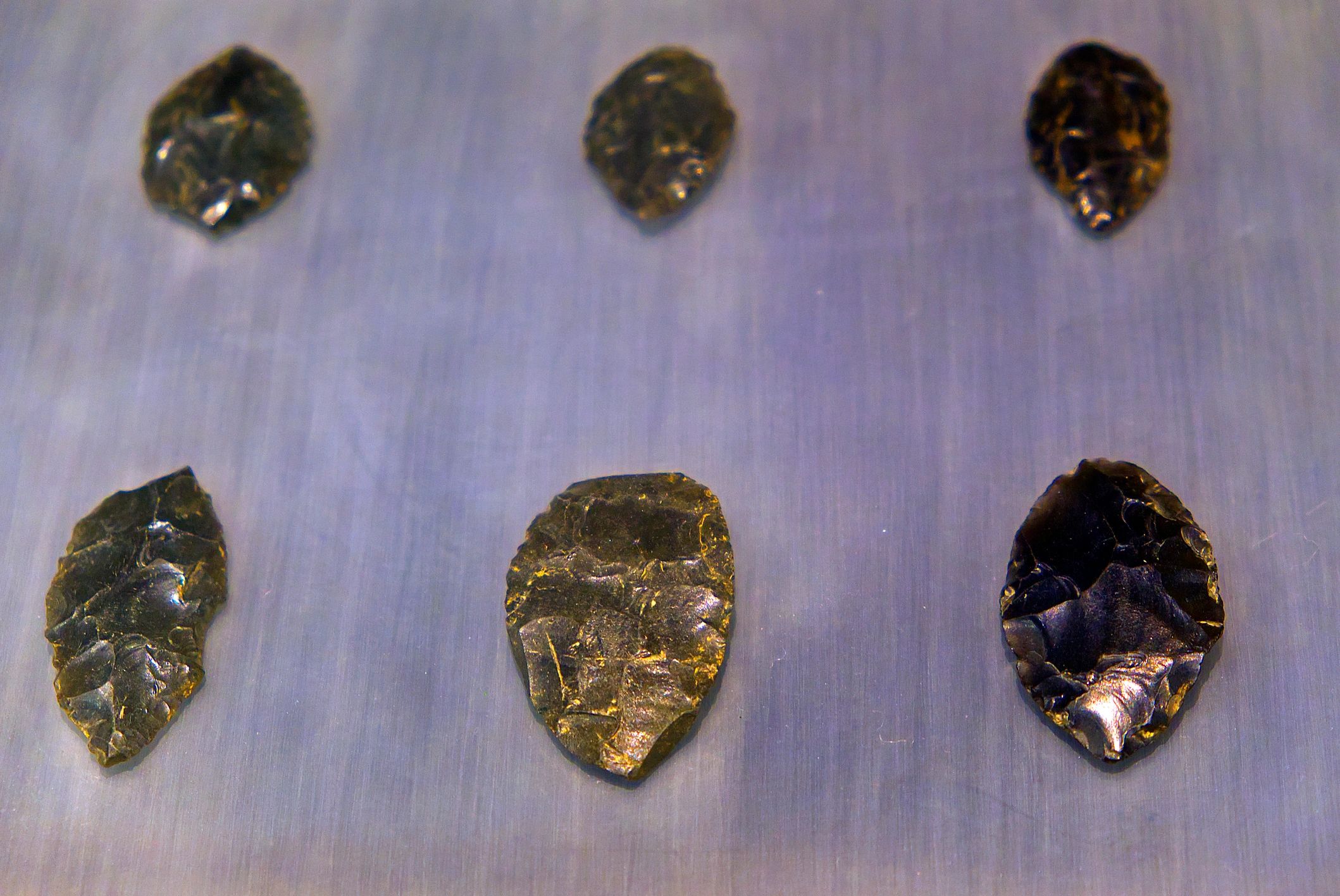
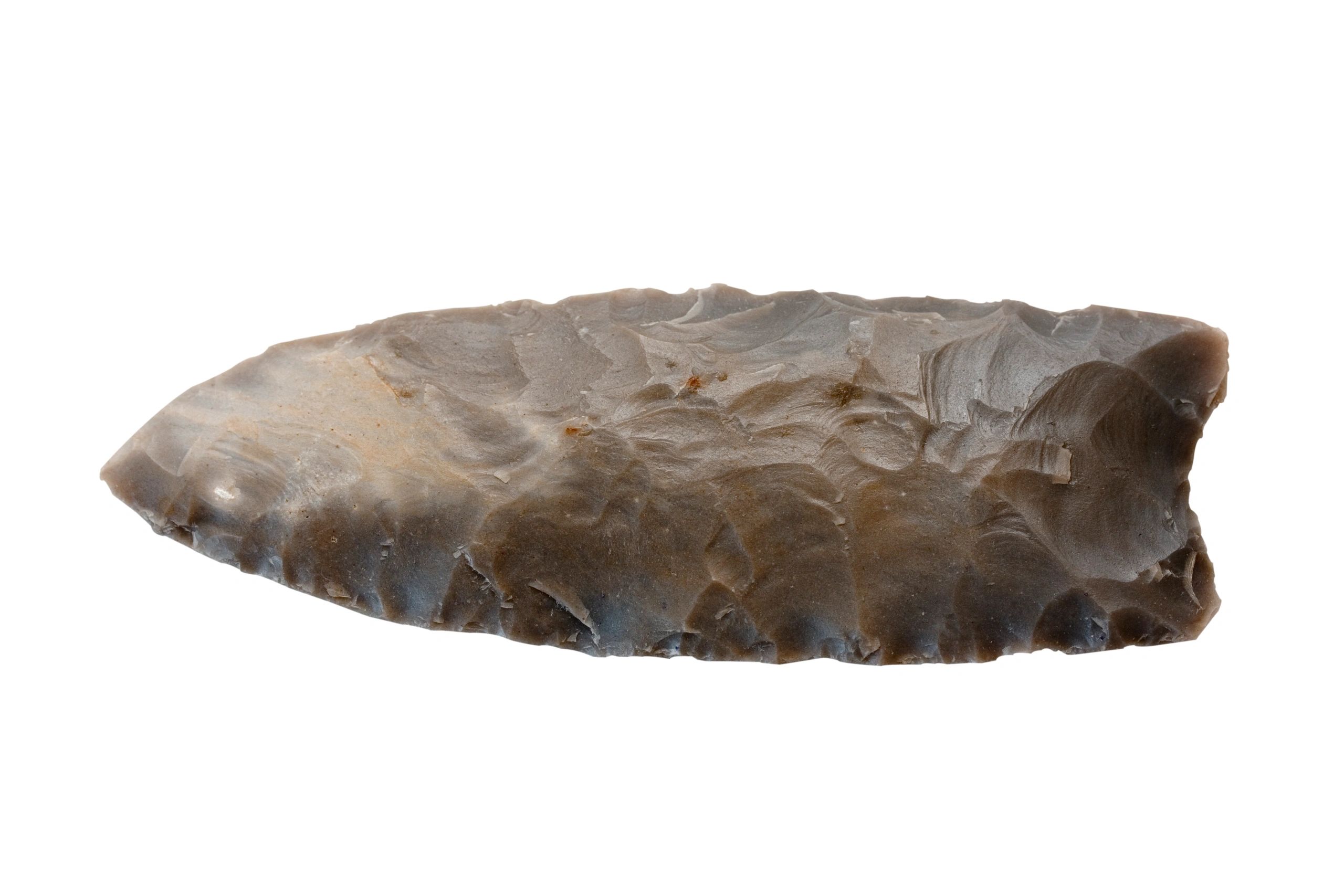
Projectile points, blades, and net weights—often made from chert, flint, obsidian, or quartzite for sharp edges.
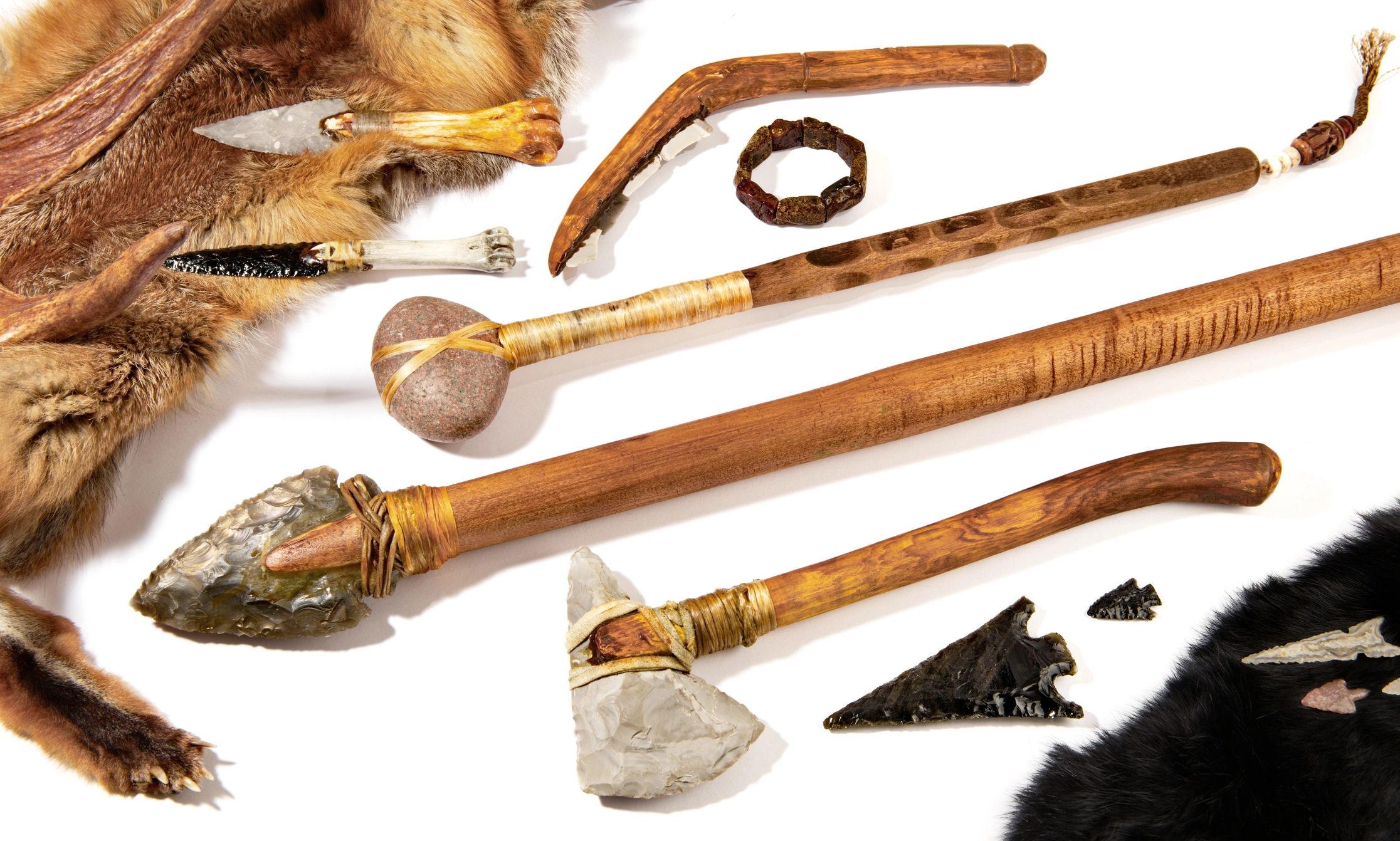
Food preparation
Grinding stones, manos/metates, mortars and pestles—often basalt, sandstone, granite, or other tough rocks.
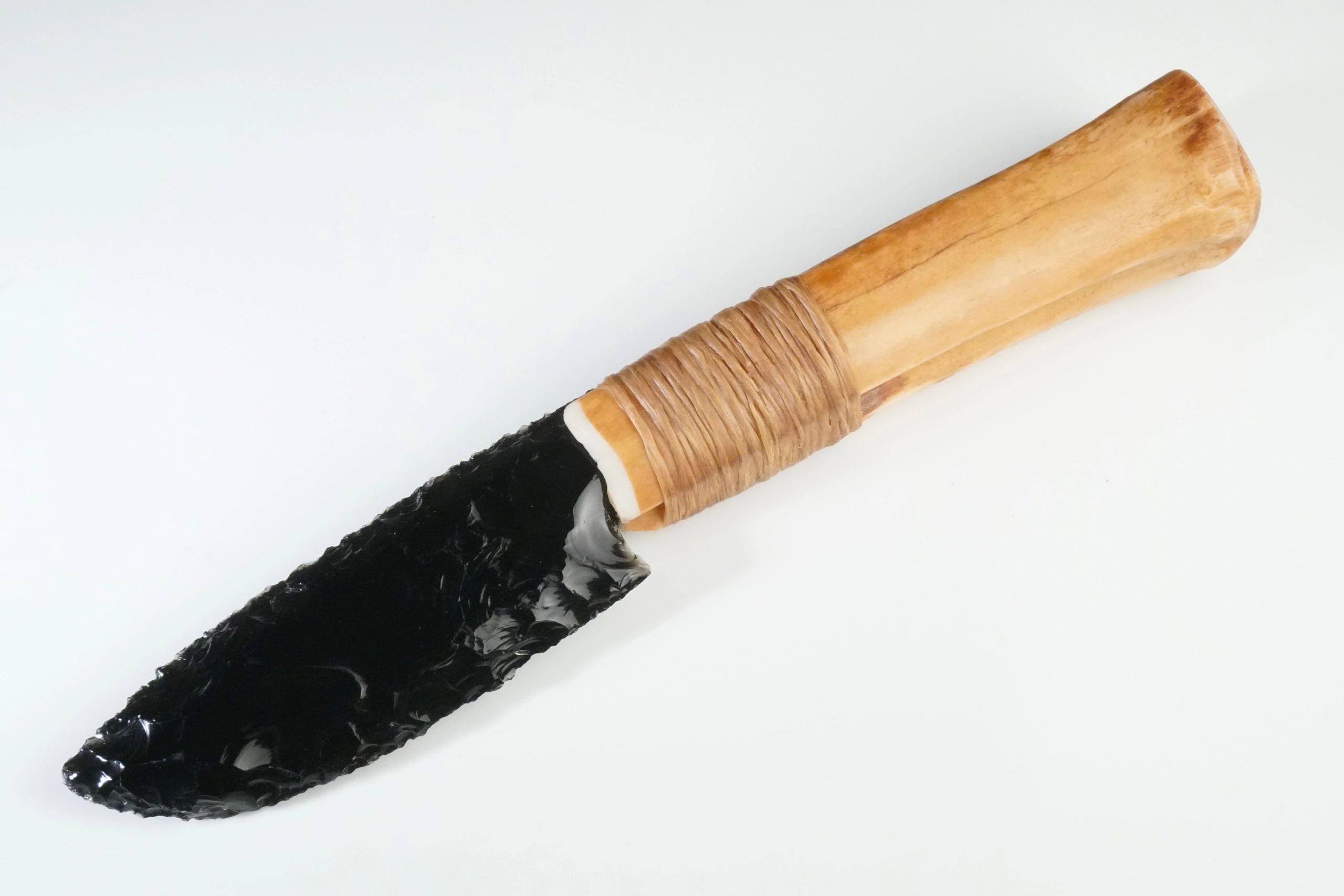
Woodworking
Adzes, axes, wedges, and scrapers—ground stone for durability; sharp flaked edges for fine work.

Hide & fiber work
Scrapers, burnishers, and cutting edges; wear patterns can show repeated use on hide or plant fibers.
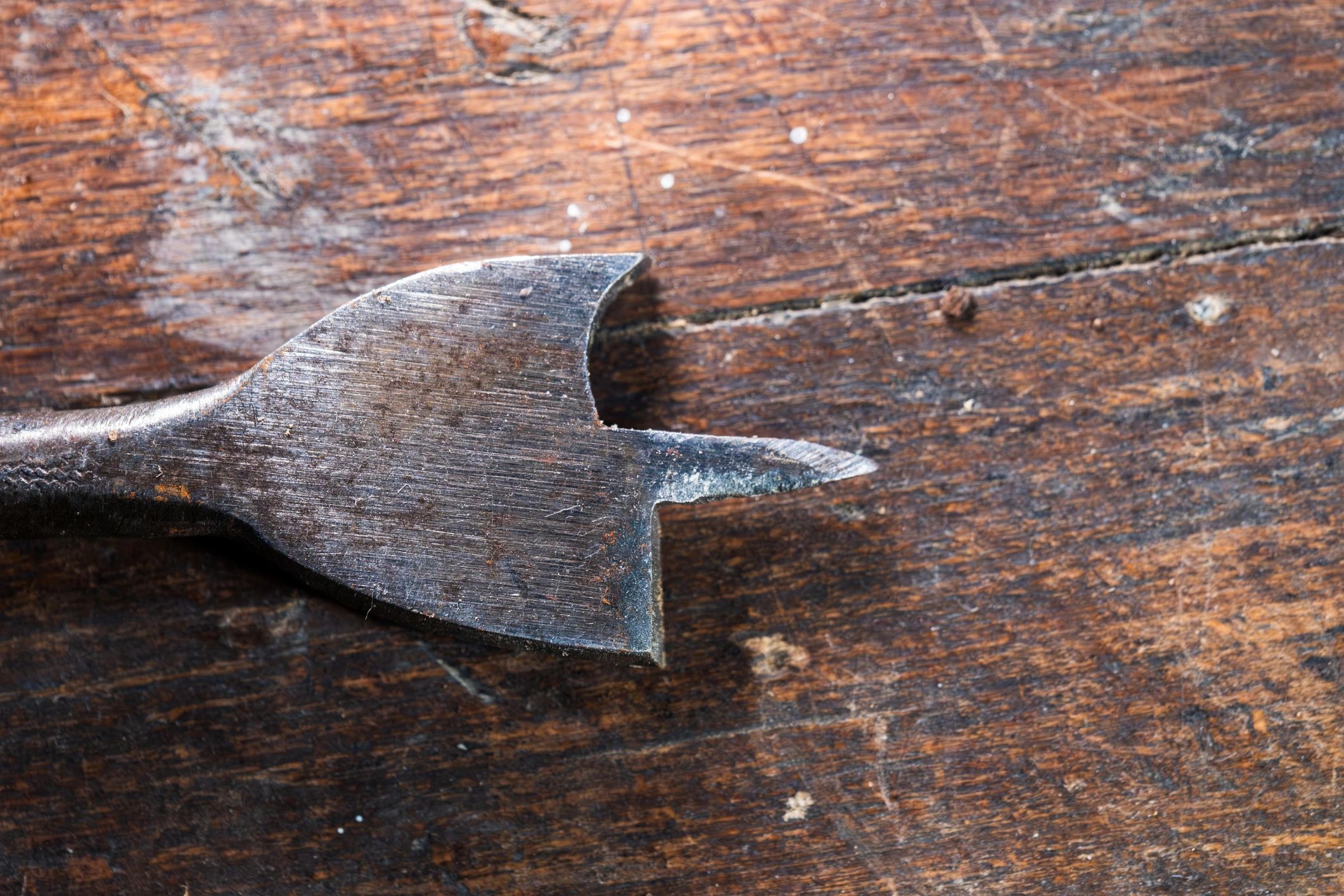
Drilling & carving
Stone drills and gravers used with abrasion and sand; harder materials chosen for bit durability.
Art & architecture
Carved stone, pigment grinding, masonry, and ceremonial objects—materials selected for meaning as well as performance.