Archaeology Hub
Sedimentary
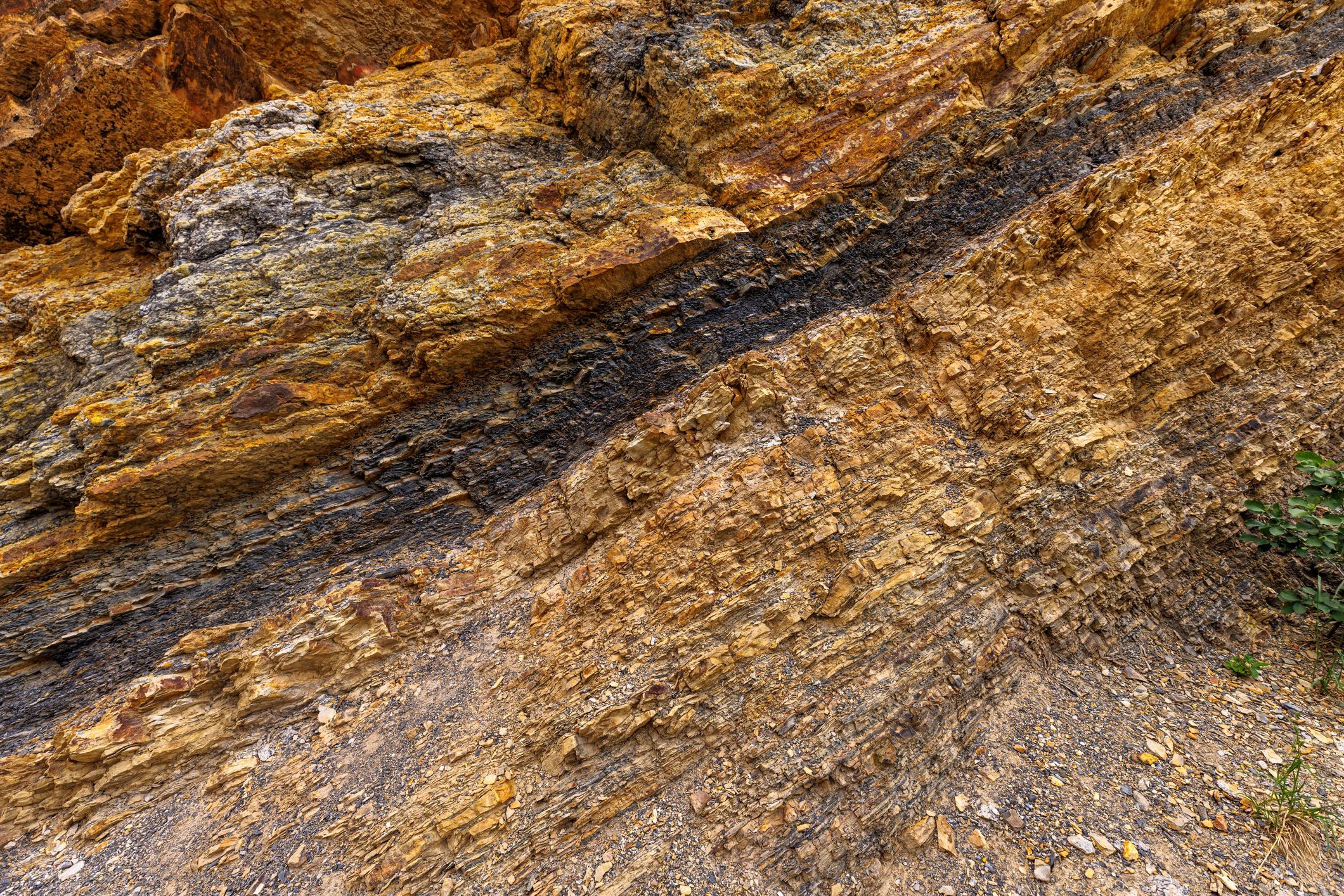
Sedimentary stones and rocks are some of archaeology’s most common materials—used in architecture, tools, pigments, and everyday objects. This hub organizes short, practical pages for recognizing sedimentary materials in the field and understanding what they can (and can’t) tell you about people, places, and time.
Subpages
Start with the basics
Short, focused pages you can use as quick references while reading the main Archaeology overview.

More subpages
Go deeper
Shale, Mudstone & Clay
Fine-grained sedimentary rocks in archaeology: firing behavior, breakage patterns, and common misidentifications.
Stratigraphy Basics
Reading layers: superposition, contacts, and why context matters as much as the stone itself.
Fossils & Microfossils
When fossils help with identification—and when they can mislead without proper sampling.
Cement & Porosity
Calcite vs silica cement, pore spaces, and how they affect weathering, staining, and tool marks.
Sourcing & Provenance
Linking sedimentary materials to quarries and landscapes using macroscopic traits and lab methods.
Conservation Notes
Basic care considerations for sedimentary stone artifacts and architecture: salts, moisture, and cleaning risks.
Keep reading in the Archaeology overview
This Sedimentary hub is a companion to the main Archaeology page—use it for quick definitions, field checks, and links to deeper methods.