Back to Archaeology
Return to the main overview for chapters, key takeaways, and selected reading. Go to Archaeology.
Stone in daily life
Stone shows up in the most ordinary activities—cutting, grinding, building, and keeping time. Archaeologists study wear, residues, and context to understand what a tool did, who used it, and how it fit into a broader way of life.
Tools
Cutting and shaping
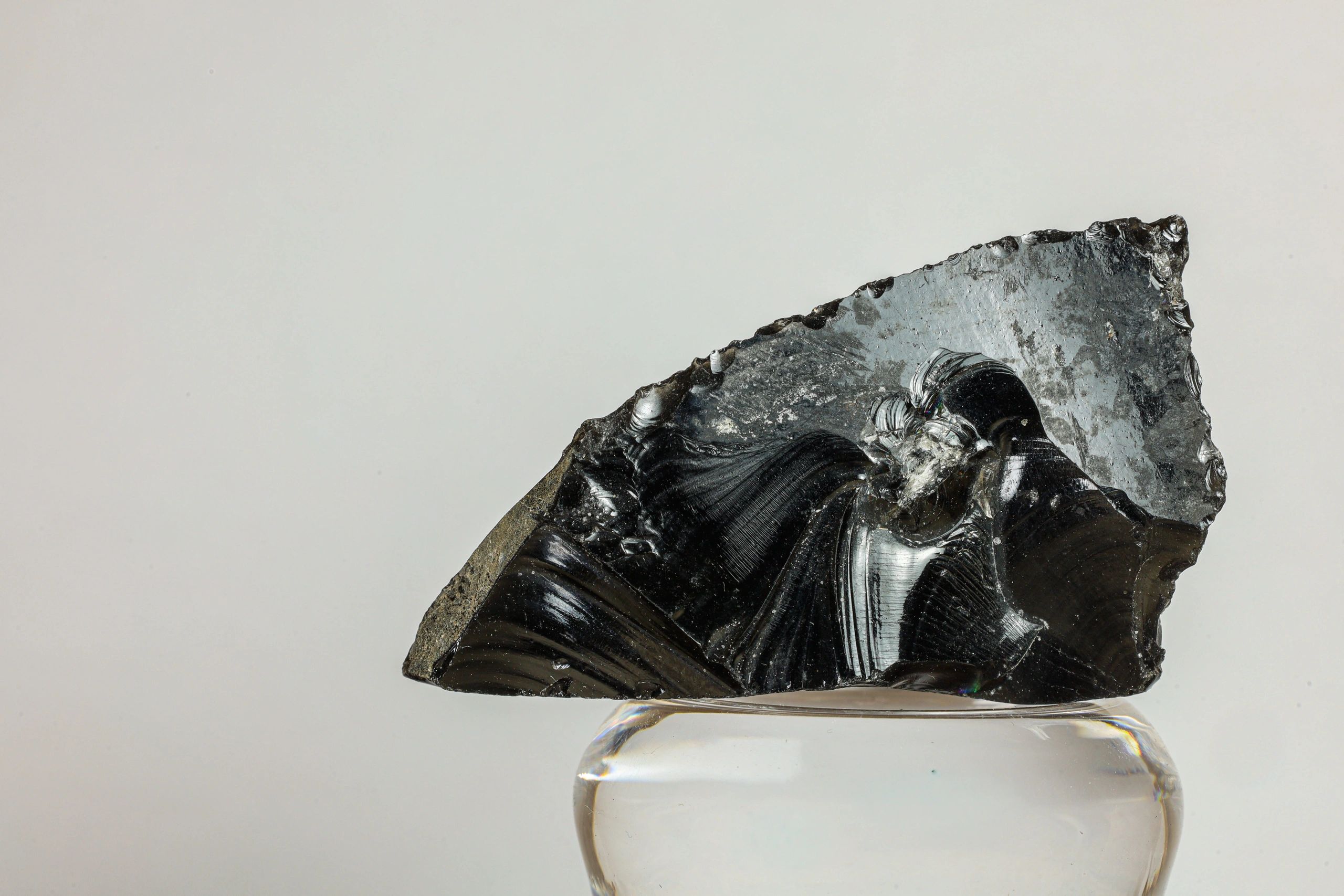
Flint, chert, obsidian, and quartzite were knapped into blades, points, and scrapers. Microscopic edge-wear can reveal whether a tool cut meat, plants, hide, or wood.
Food
Grinding and cooking
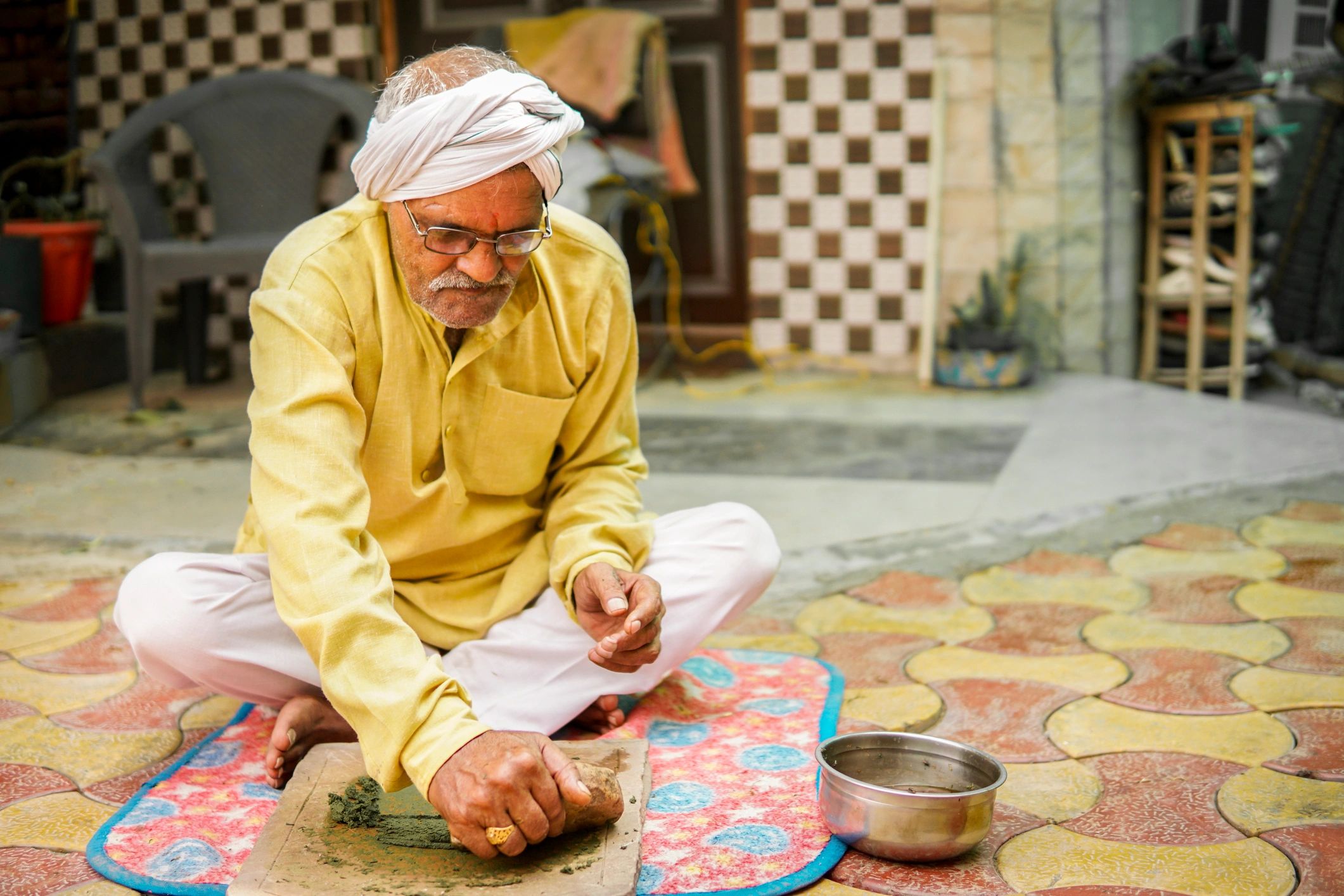
Grinding stones, mortars, and hearth stones track shifts in diet and labor. They can signal plant processing, intensified cereal use, or household-scale craft production.
Shelter
Building and maintenance
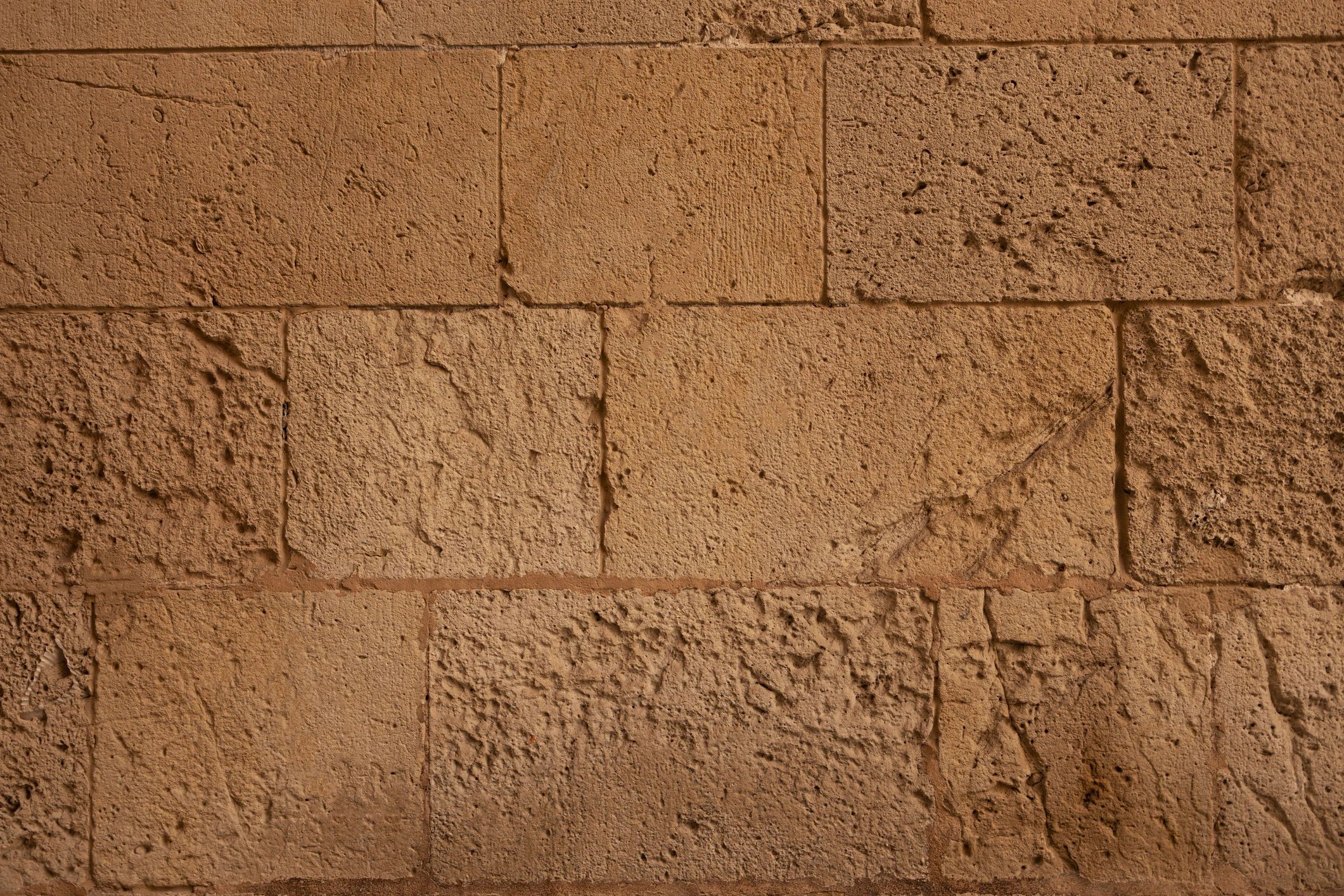
From fieldstone walls to dressed blocks, stone architecture preserves choices about planning, skill, and community organization. Quarry marks and tool traces can identify techniques and labor.
Key questions archaeologists ask
These prompts help connect stone objects to behavior, environment, and social life.
What was it used for?
Use-wear, residues, and breakage patterns can distinguish cutting, scraping, drilling, grinding, or impact use.
Where did the stone come from?
Petrography and geochemical sourcing can link artifacts to specific outcrops, quarries, or volcanic flows—evidence for mobility and exchange.
How was it made?
Manufacturing traces reveal skill, learning, and standardization—from expedient flakes to carefully prepared cores and ground-stone finishing.
Why that material?
Material choice reflects performance (sharpness, toughness), availability, tradition, and sometimes symbolism or status.
How did it move through a site?
Context and spatial patterning can show activity areas, discard practices, repair, recycling, and curated toolkits.
What changed over time?
Shifts in tool types, raw materials, and architecture can track climate change, subsistence, trade networks, and social organization.
Continue in Archaeology
Looking for the bigger picture? Return to Archaeology for the full chapter list and selected reading.