Origins
What Indiana is known for
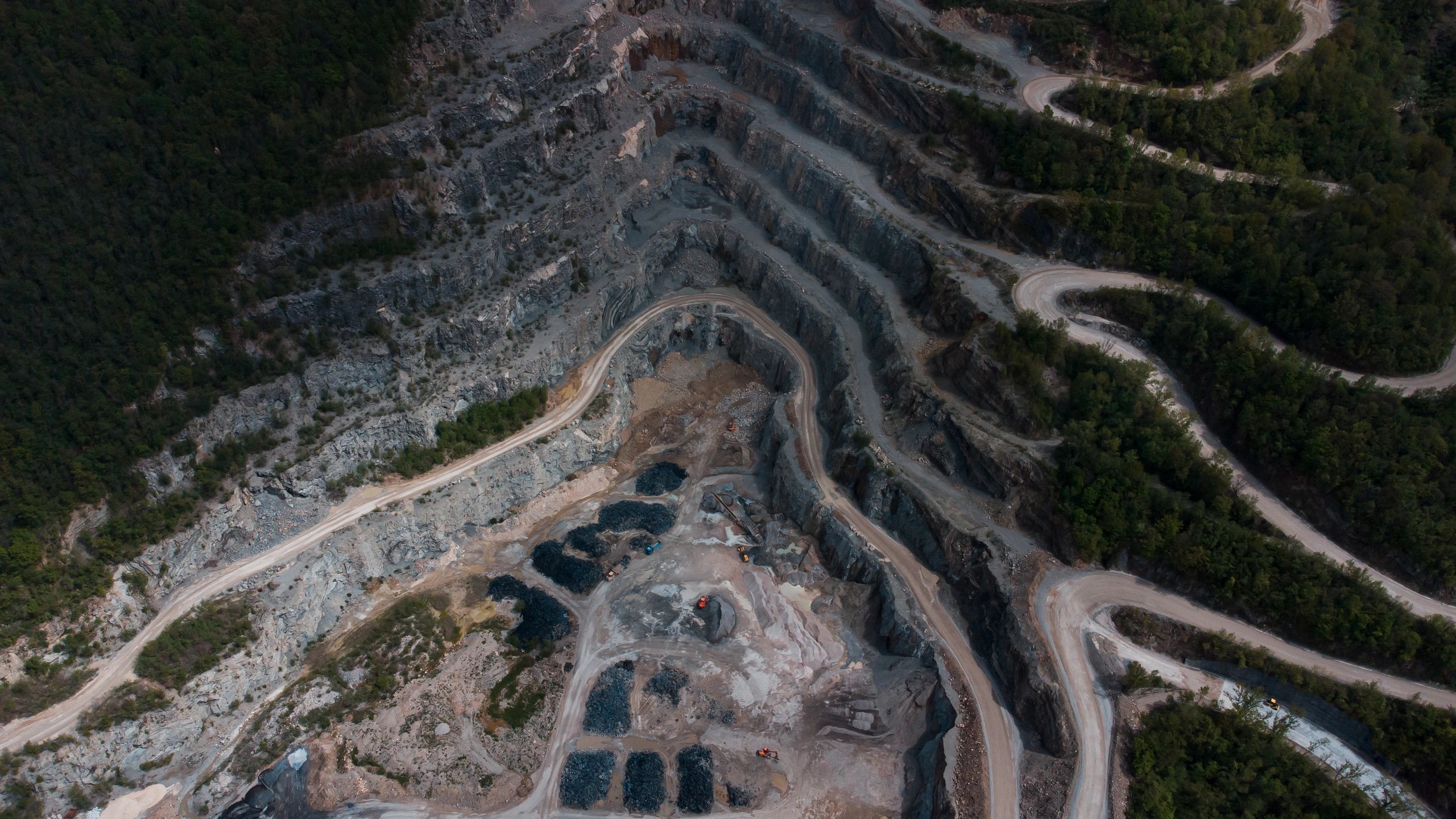
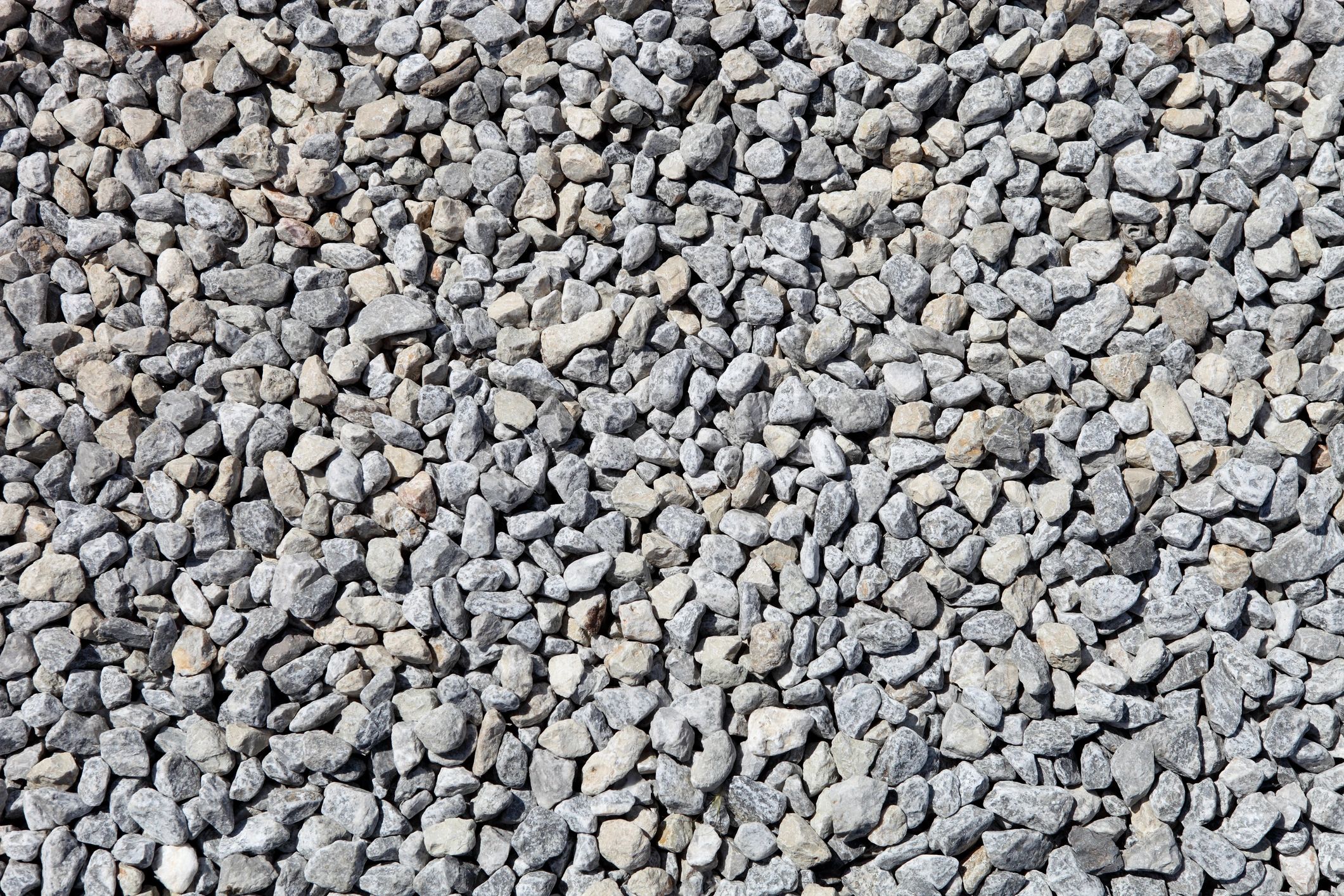
Indiana is widely recognized for high-quality limestone used in building stone, sculpture, and architectural details. In the north, glacial deposits contribute a mix of gravels and cobbles, while bedrock across the state includes sedimentary units that help explain why certain textures, colors, and fossils appear in local stone.
Guide
How to read Indiana stone
Use these quick checks to identify common Indiana-associated materials and decide what to collect, cut, or use in projects.
Indiana Limestone
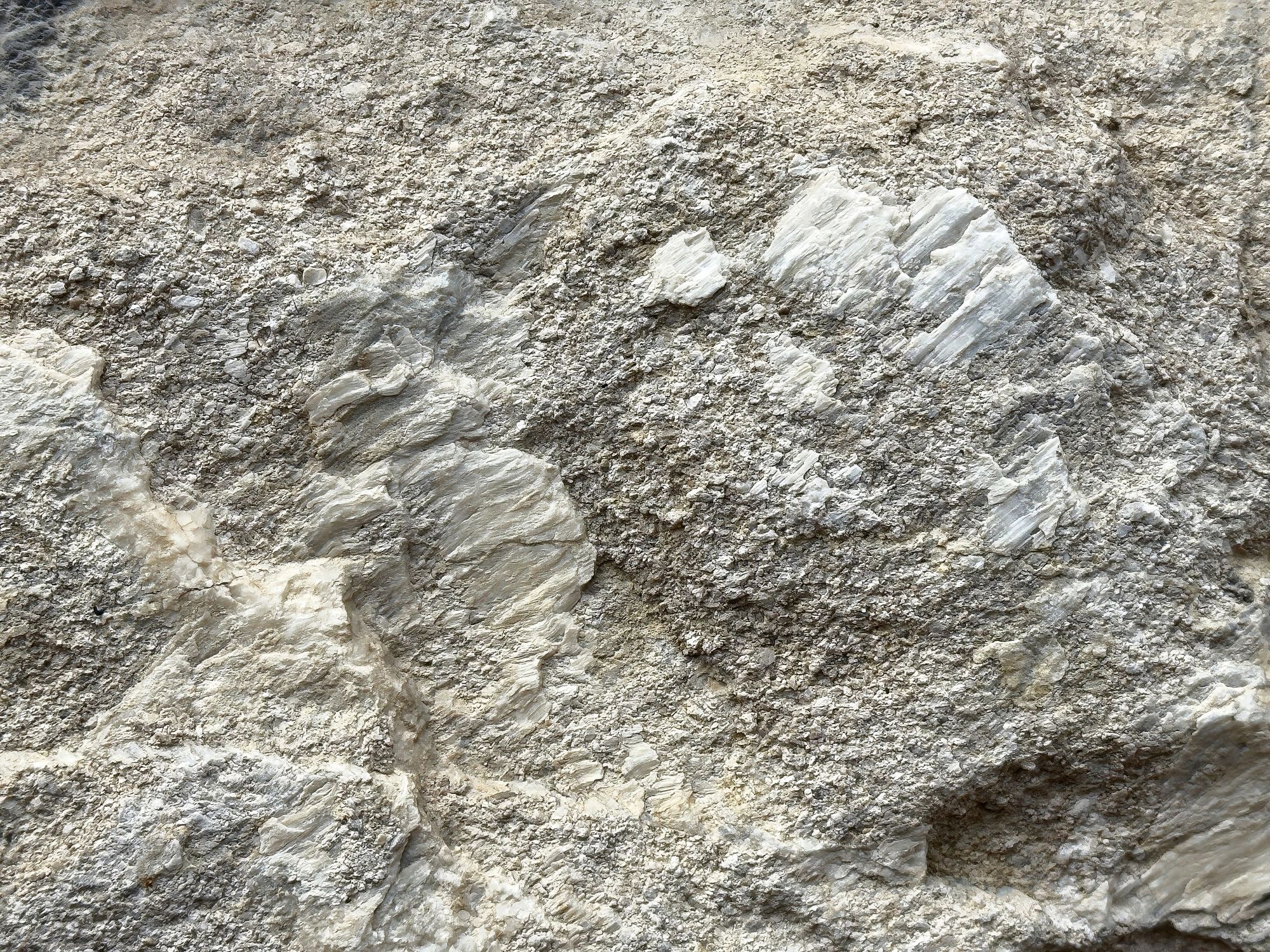
Typically light gray to buff, often fine- to medium-grained, and may show fossil fragments. Look for consistent grain, low clay seams, and clean breaks for lapidary or display pieces.
Fossil-bearing Carbonates
Some carbonate rocks contain visible shells or crinoid fragments. Fossils can be a strong ID clue—note shape, density, and whether they weather proud or recessive.
Glacial Gravels
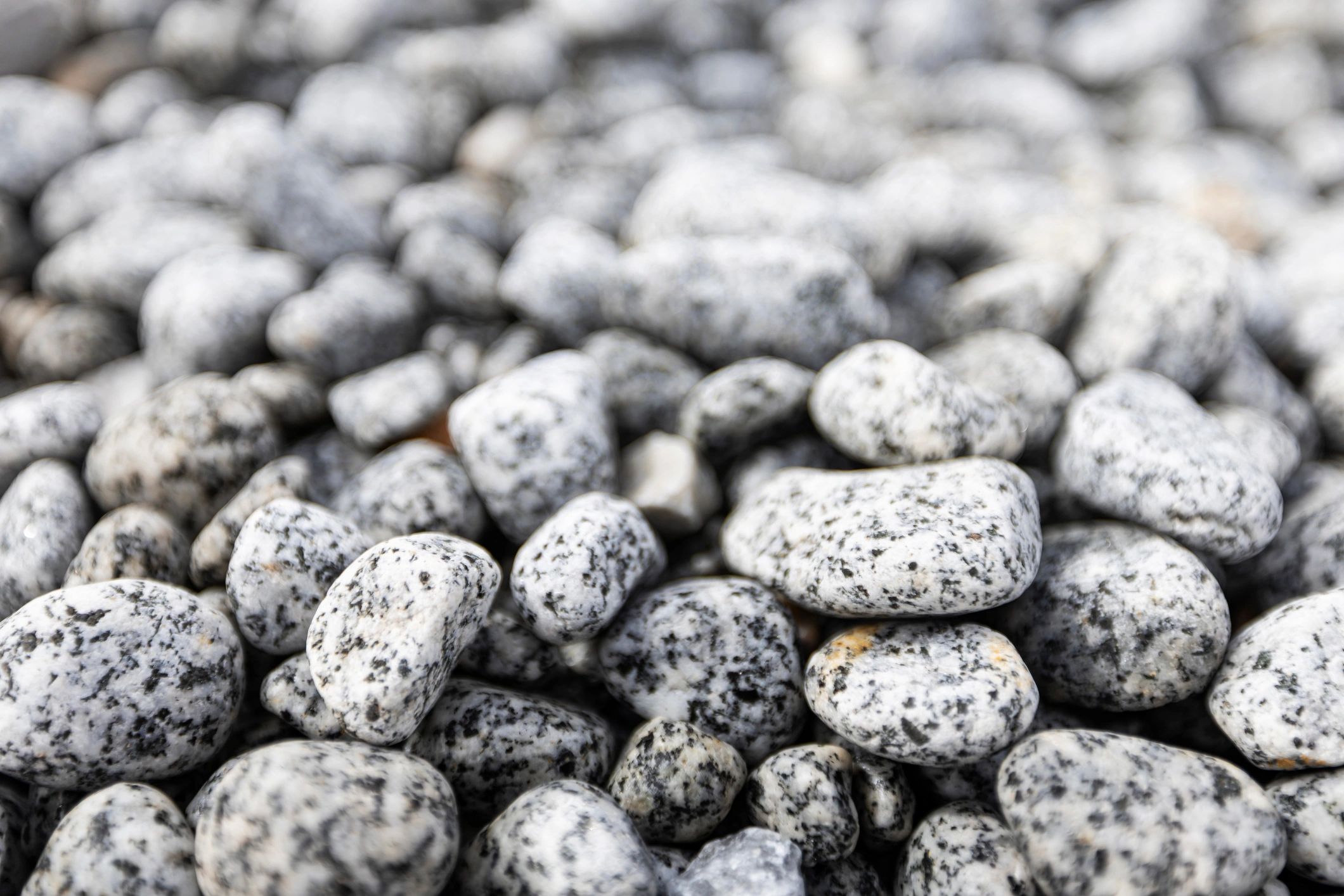
Mixed pebbles and cobbles transported by ice can include quartz, chert, granite, and more. Sort by hardness, luster, and fracture to separate knapping material from decorative gravel.
Sandstone & Siltstone
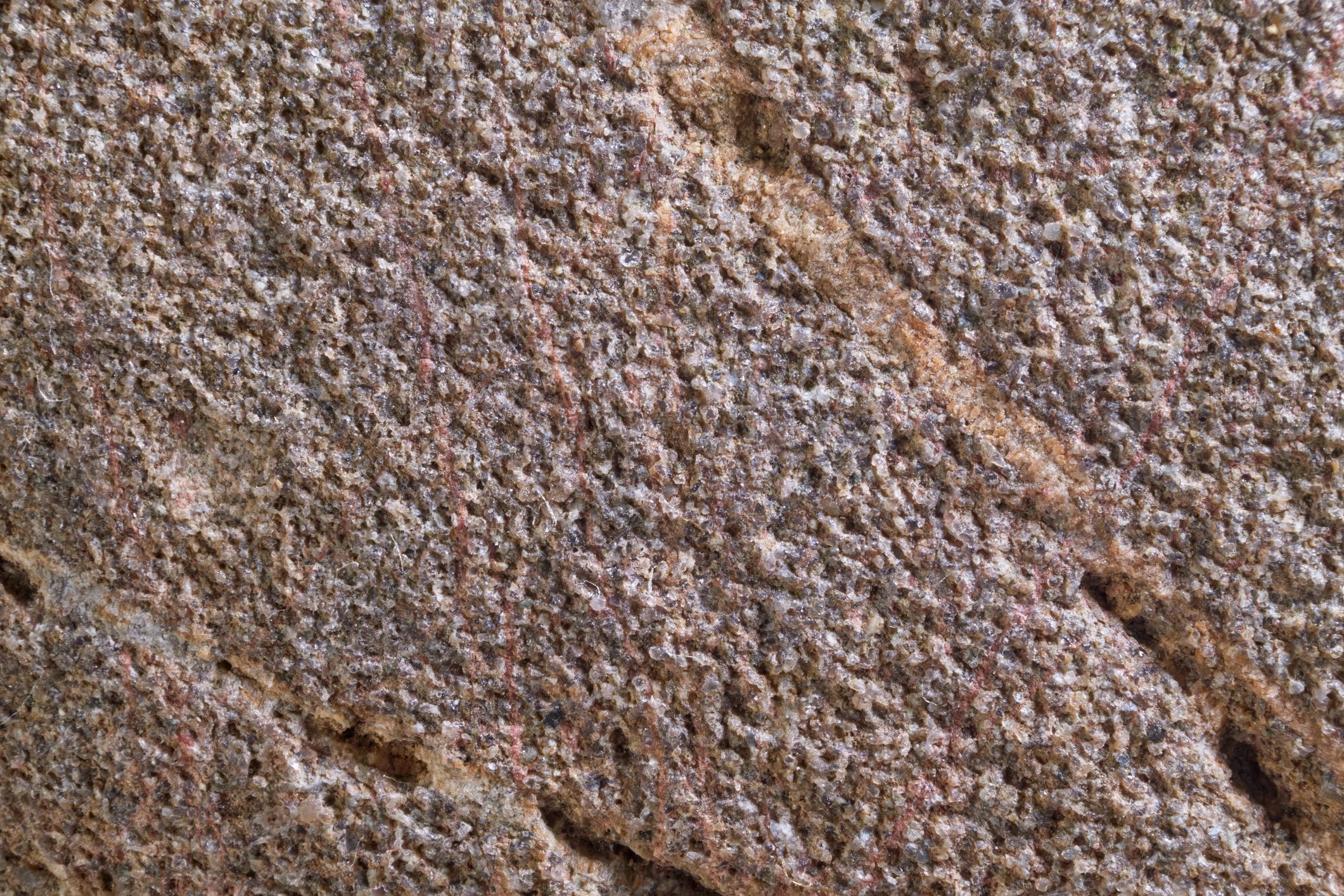
Look for gritty texture and bedding. Iron staining can produce warm browns and reds; cement type influences durability and how it takes a polish.
Gallery
Textures and surfaces
A visual sampler of quarry faces, carbonate textures, and gravel mixes—useful for comparing grain size, color, and weathering patterns.