Colorado

A field-guide overview of Colorado’s stone and mineral story—mountain-building, volcanic rocks, and the specimens collectors love.

Colorado’s geology in brief

Colorado sits at the crossroads of ancient crystalline basement rocks, uplifted mountain ranges, and younger sedimentary basins. The state’s landscapes reflect multiple episodes of tectonic uplift, erosion, and volcanism—processes that create diverse host rocks for minerals, gemstones, and collectible specimens.

What to look for

Stone and mineral highlights
Pegmatites and pockets

Coarse-grained igneous bodies can concentrate large crystals and accessory minerals—prime territory for specimen-grade finds.

Volcanic and hydrothermal zones

Past volcanism and hot-fluid circulation can form veins, vugs, and alteration halos that host colorful mineral assemblages.

Sedimentary basins and concretions

Layered rocks preserve textures, nodules, and cementation patterns that make excellent teaching specimens for identification.

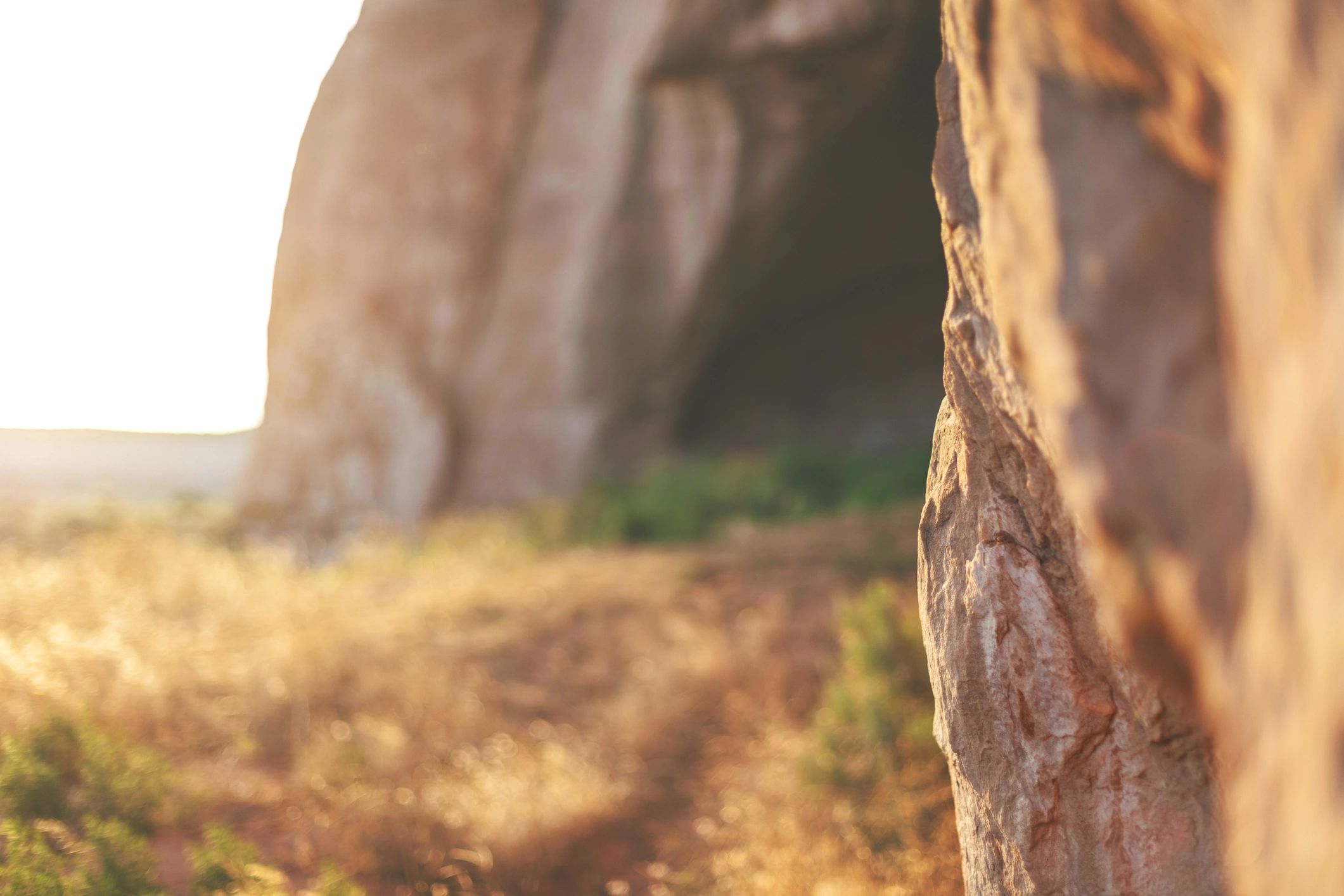
Sandstone outcropping with cave-like opening in an arid landscape.

Use these natural textures as references when comparing grain size, mineral sparkle, and weathering patterns.
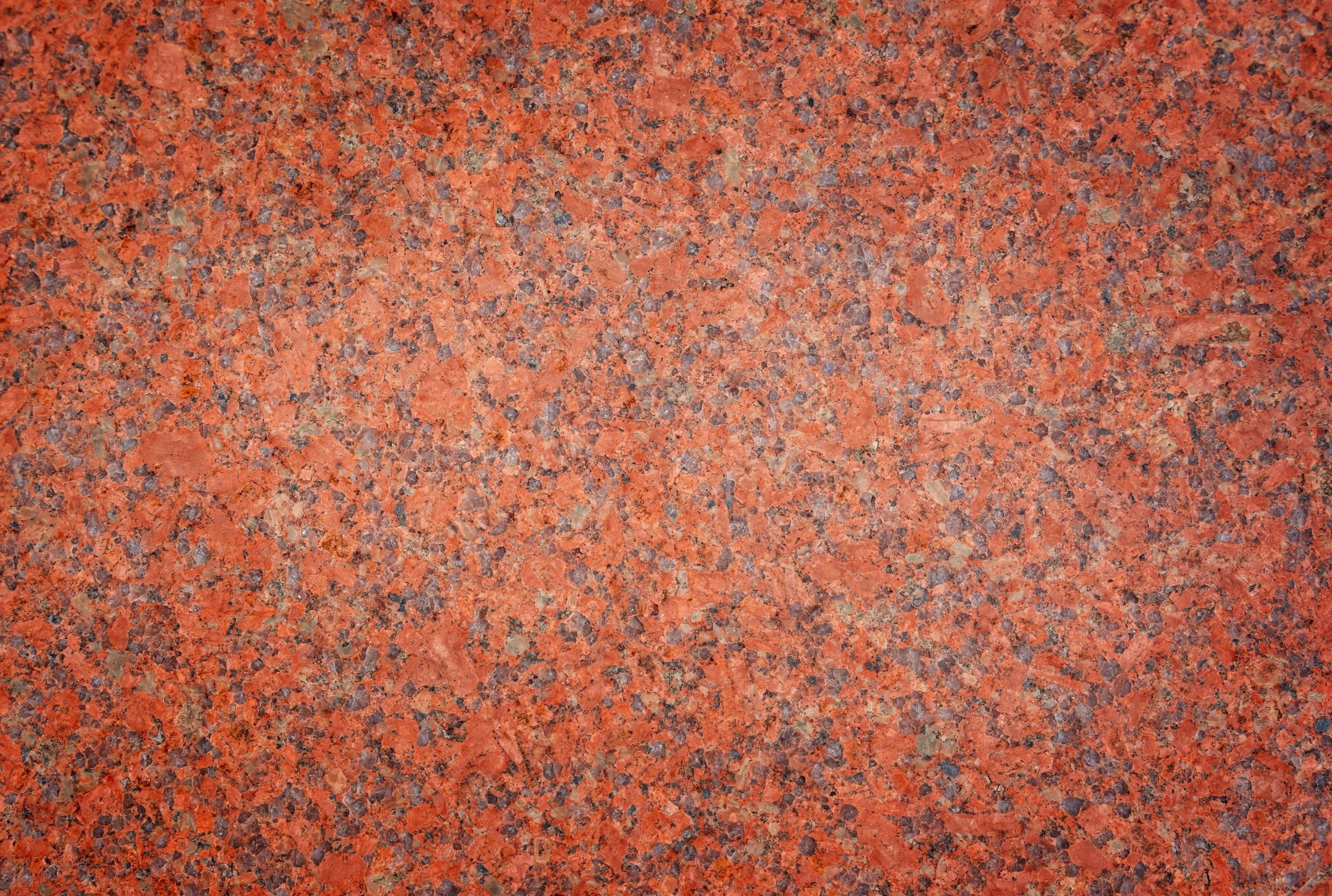

Natural red granite stone texture with visible mineral grains and speckles.
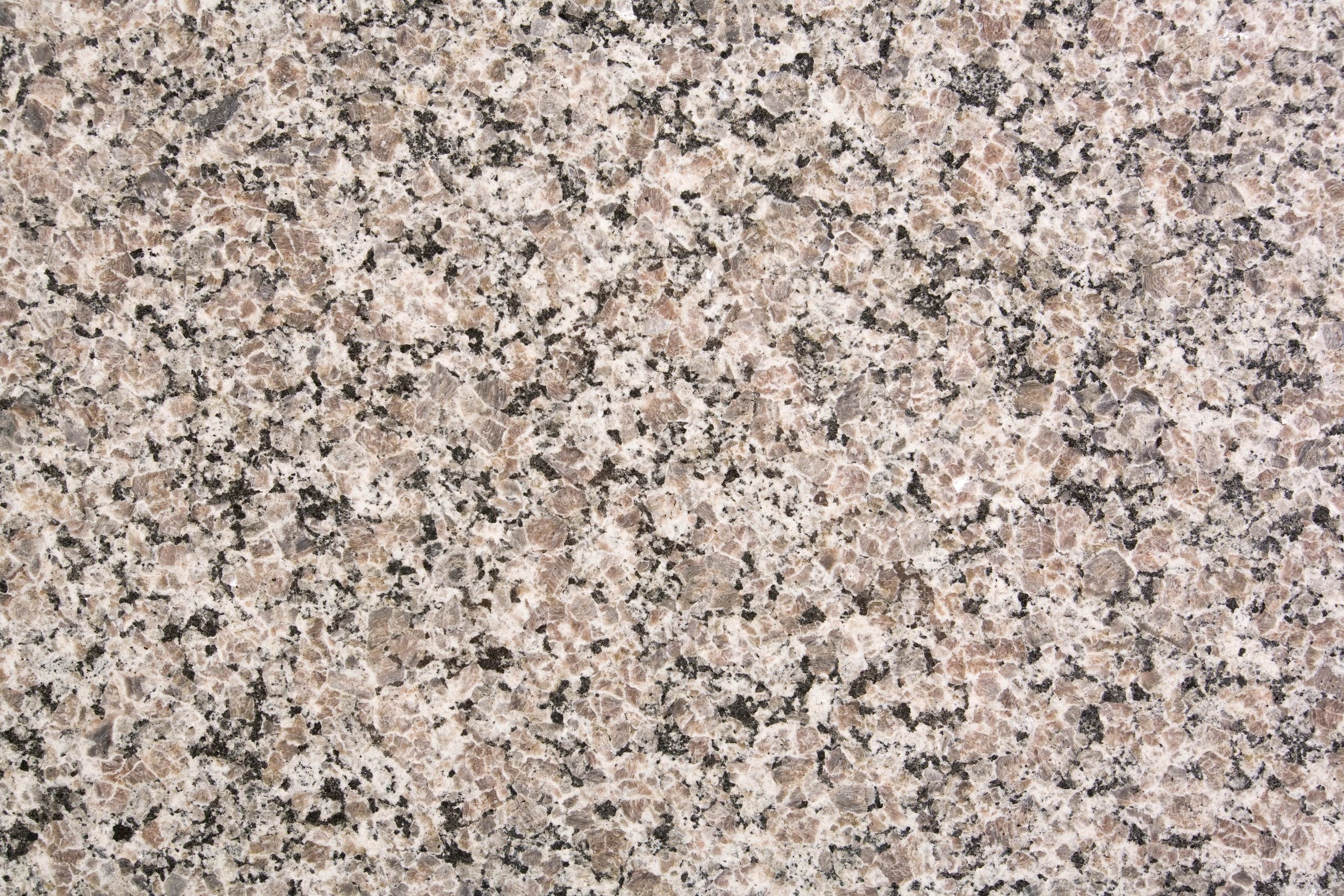
White and gray granite texture background with fine speckled pattern.
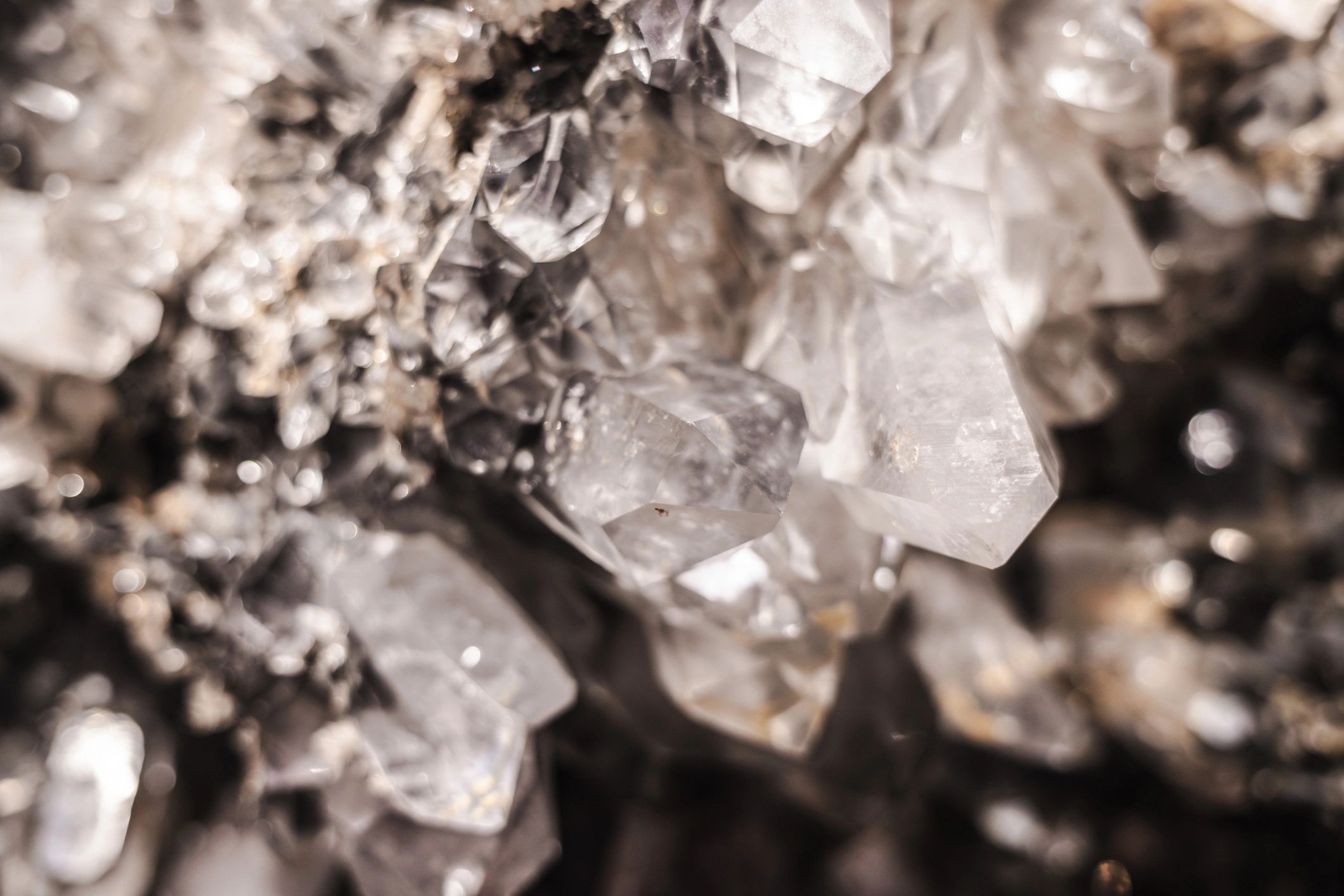
Cluster of natural quartz crystals with translucent sharp facets in warm light.
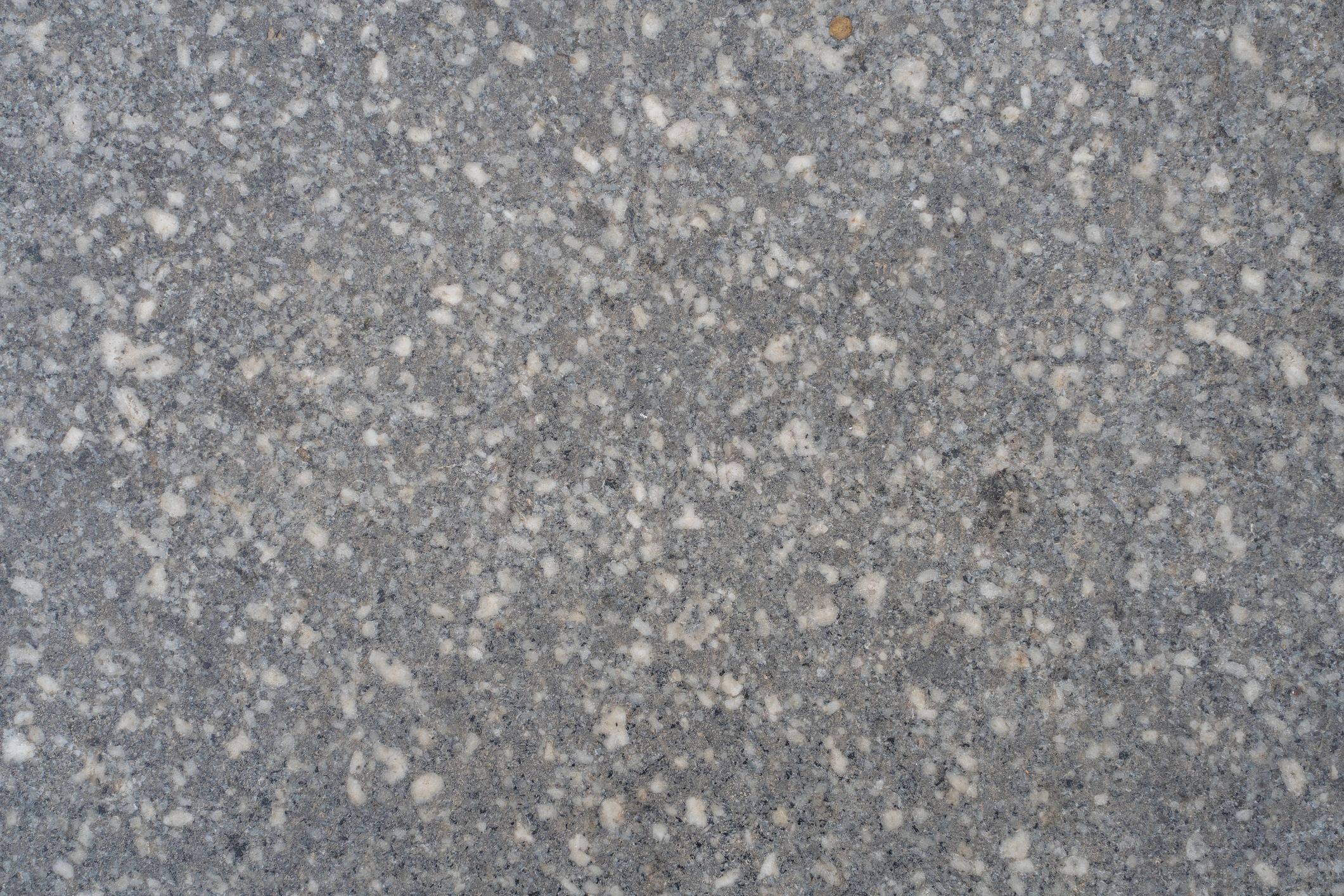
Gray speckled granite stone texture background.
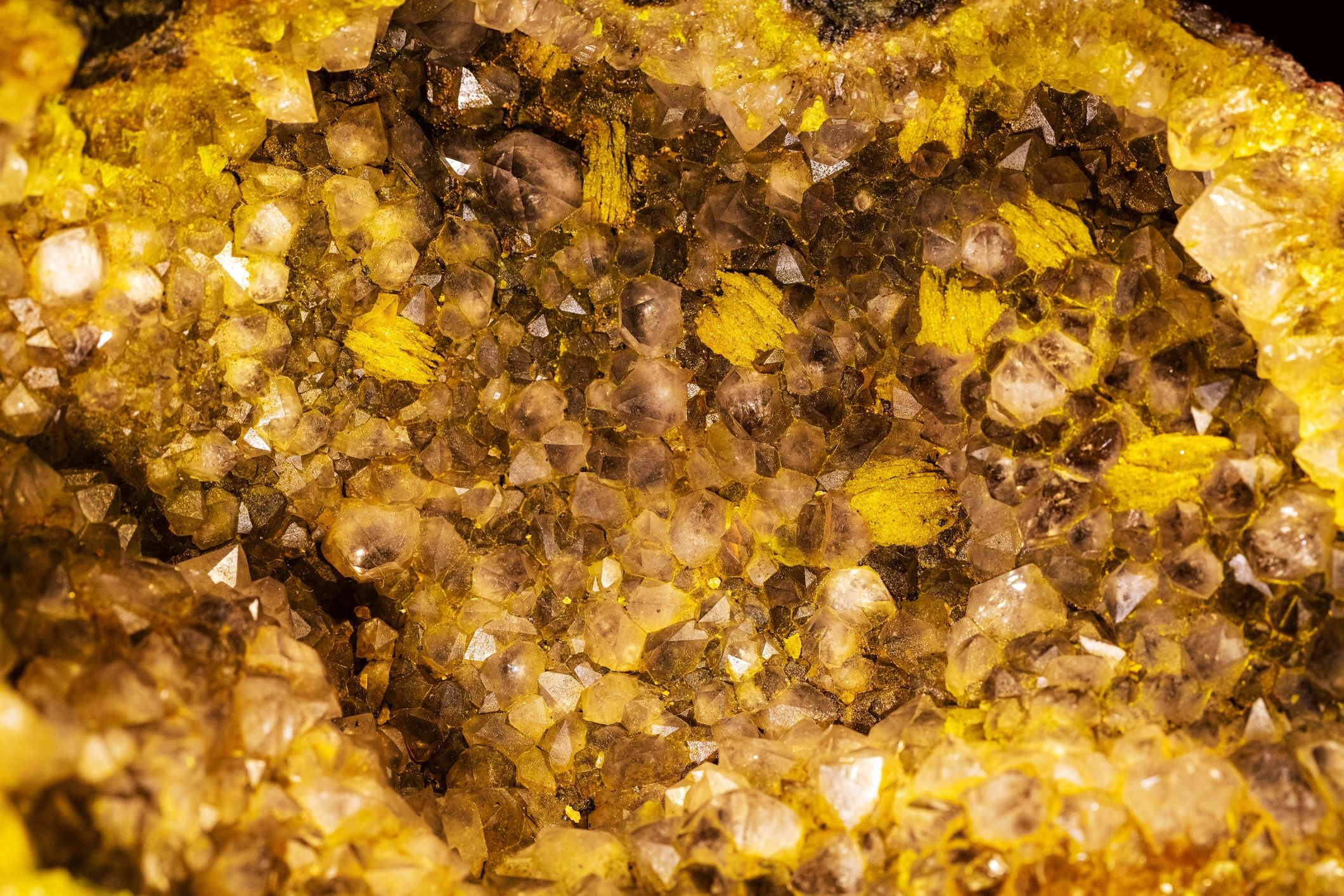
Close-up of citrine quartz geode interior with sparkling crystal clusters.
Neutral granite texture background with subtle grain variation.

Explore specimens and rough

Browse our shop for crystals, lapidary rough, decor stone, and collector pieces—curated by Ornamental Stones LLC.