Kentucky Stone Origins
A field guide to Kentucky’s stone landscape—limestone country, cave geology, and the collectible minerals that show up in trade and collections.
Overview
What Kentucky Is Known For
Kentucky sits on broad carbonate platforms and layered sedimentary rocks. In an origins context, it’s best known for limestone (including fossil-rich varieties), cave and karst geology, and a steady stream of collectible specimens from sedimentary and hydrothermal settings.
Carbonate country
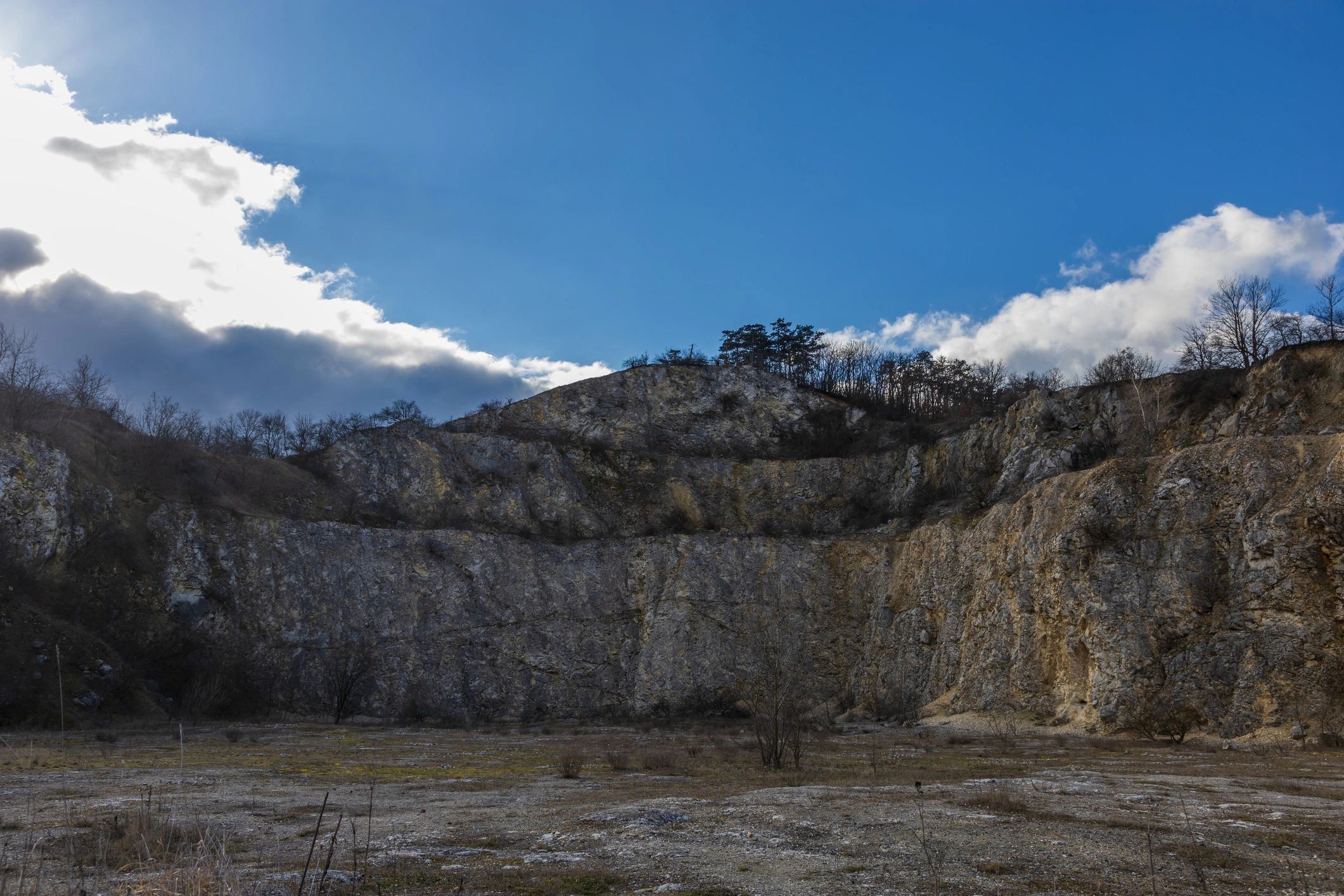
Limestones and dolostones dominate many exposures—often showing bedding, fossils, and chert nodules.
Karst & caves
Dissolution of carbonate rock creates sinkholes, springs, and extensive cave systems—key to understanding Kentucky’s geology.
Collector notes
Stones to Watch For

Gallery
Kentucky Textures & Specimens
A quick visual sampler—sedimentary layers, mineral surfaces, and specimen-scale detail.