Origins • United States
Georgia Stones & Materials
A field-guide style overview of Georgia’s stone landscape—granites, marbles, clays, and coastal sediments—plus how to browse specimens and shop by material.
At a glance
What Georgia Is Known For
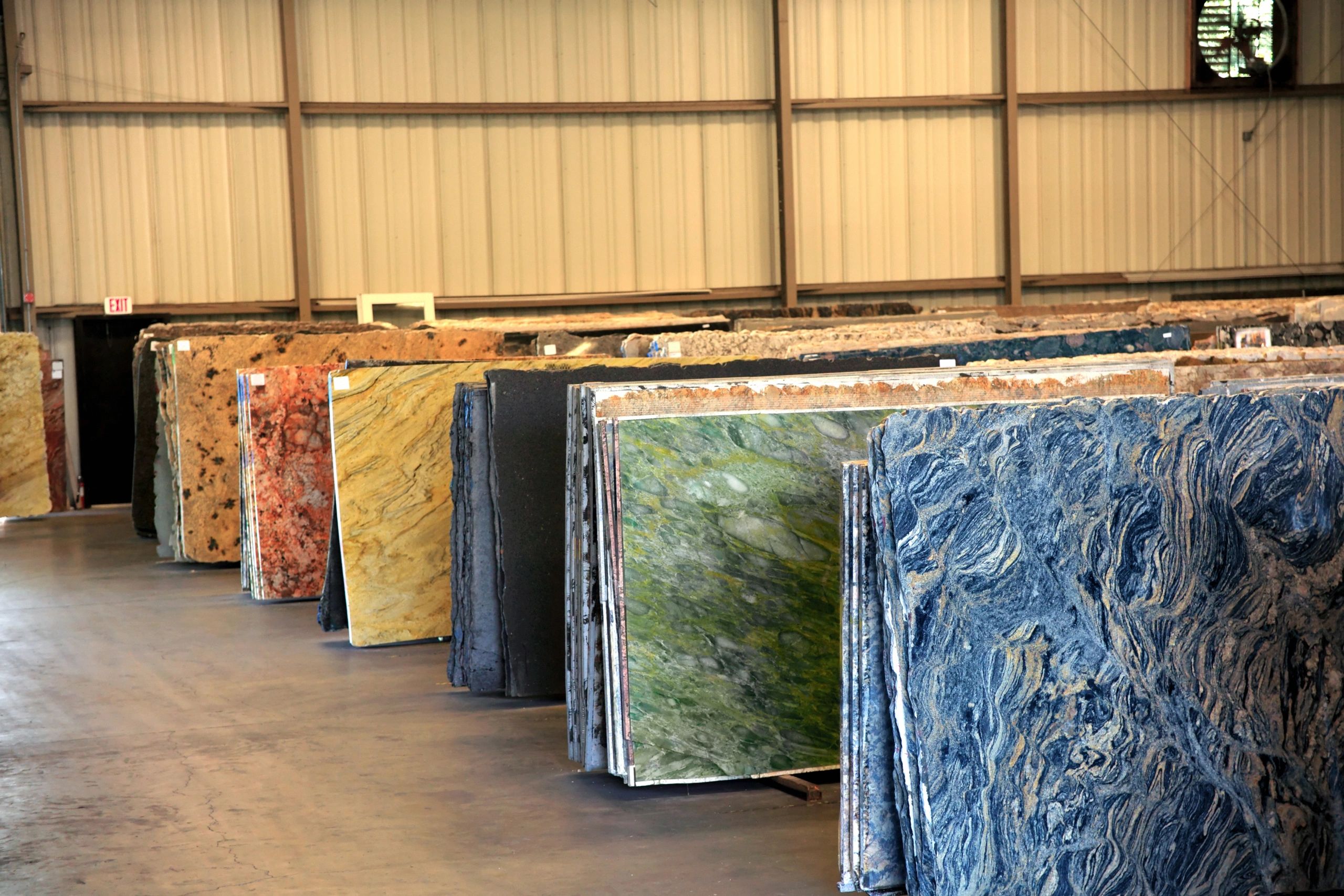
Georgia is widely recognized for dimension stone—especially granite and marble—alongside kaolin-rich clays and a broad range of metamorphic and sedimentary materials across the Piedmont, Blue Ridge, and Coastal Plain. This page highlights common materials you’ll encounter in collections and the stone trade, with practical notes for identification and use.
Guide
Georgia Material Guide
Use these quick sections to orient your browsing—each points to what to look for in hand sample, common uses, and how it shows up in the shop.
Granite
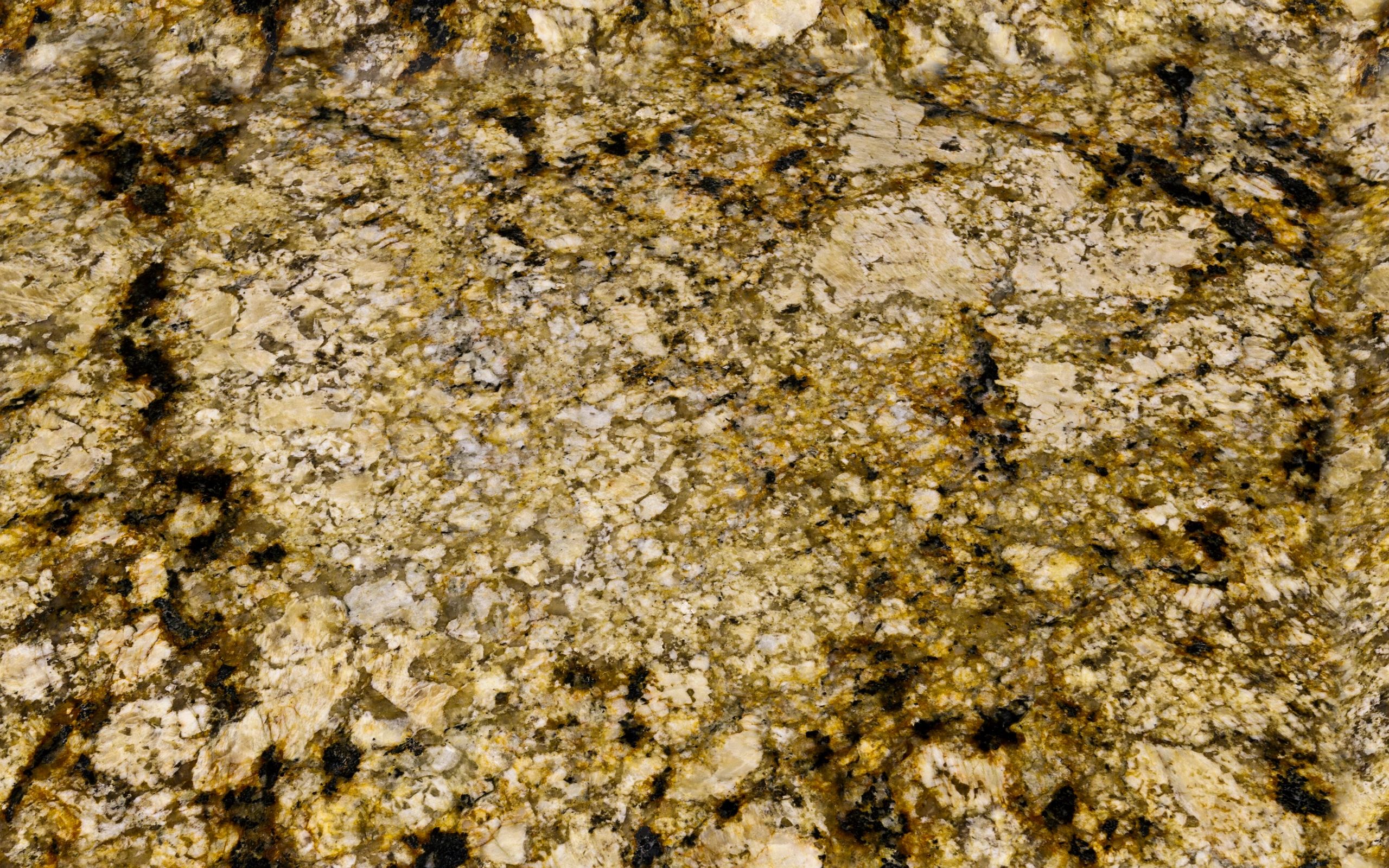
Coarse-grained igneous rock (quartz + feldspar + mica). Look for interlocking crystals and speckled patterns; widely used as dimension stone.
Marble
Metamorphosed limestone/dolostone. Typically crystalline and “sugary” in texture; reacts with weak acid and is prized for sculpture and architectural stone.
Gneiss & Schist
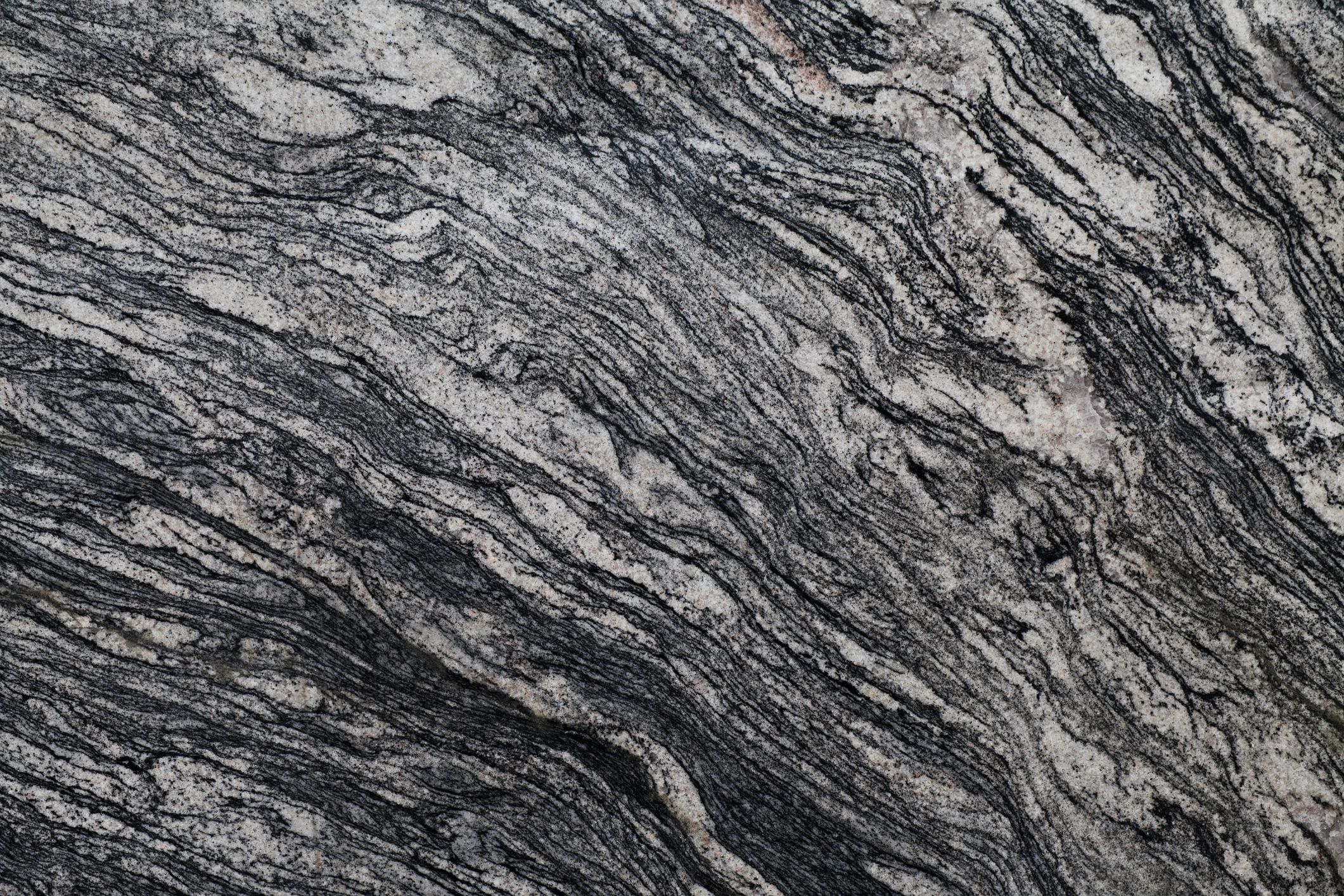
Metamorphic rocks common in the Piedmont/Blue Ridge. Watch for banding (gneiss) or shiny foliation (schist) from aligned micas.
Kaolin & Clay
Fine-grained industrial minerals from the Coastal Plain. Often white to light gray; important for ceramics, paper, and as a marker of weathering processes.
Coastal Sediments
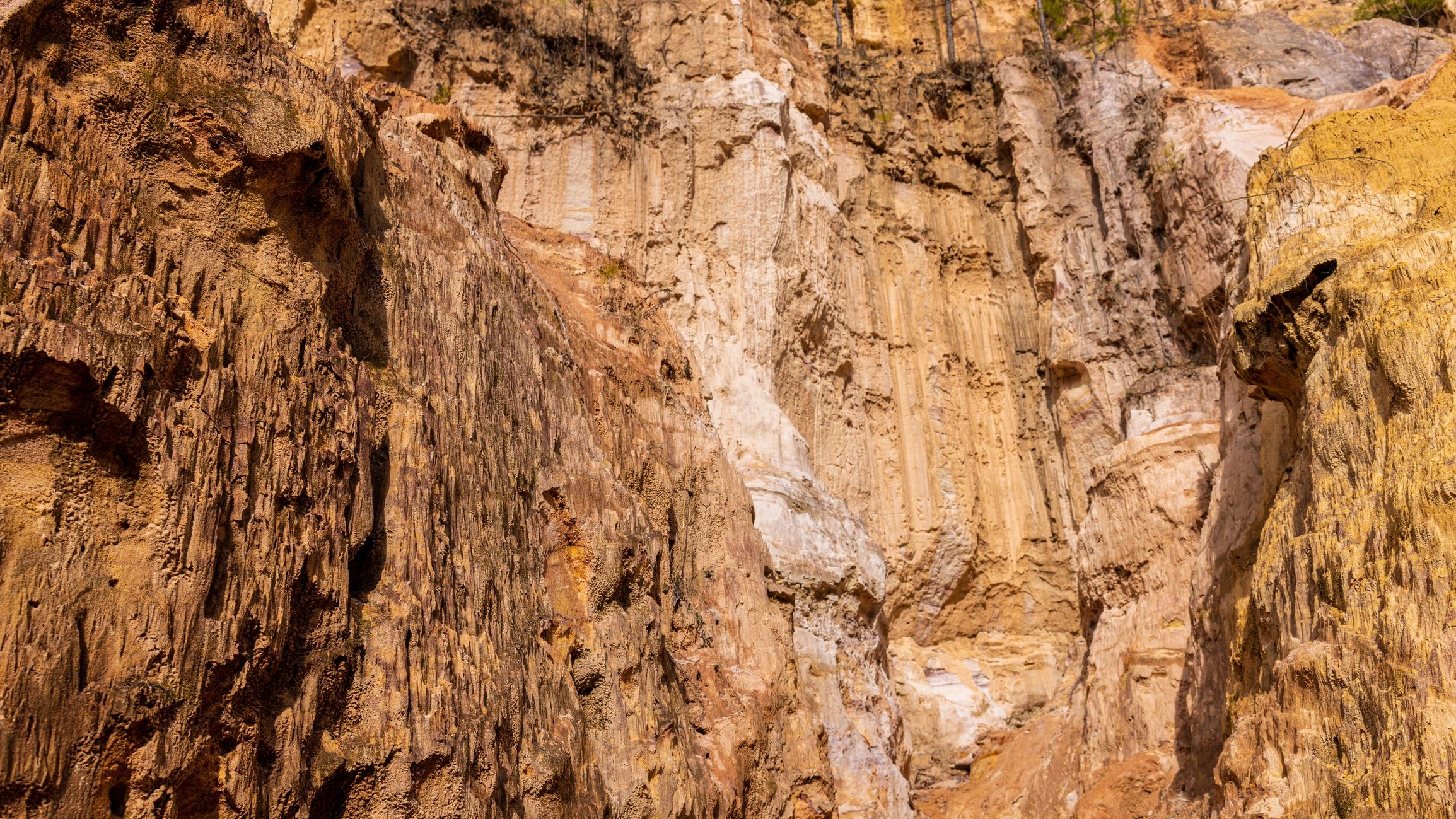
Quartz-rich sands, shell material, and iron-stained layers. Great for learning about sorting, rounding, and depositional environments.
Collectible Specimens
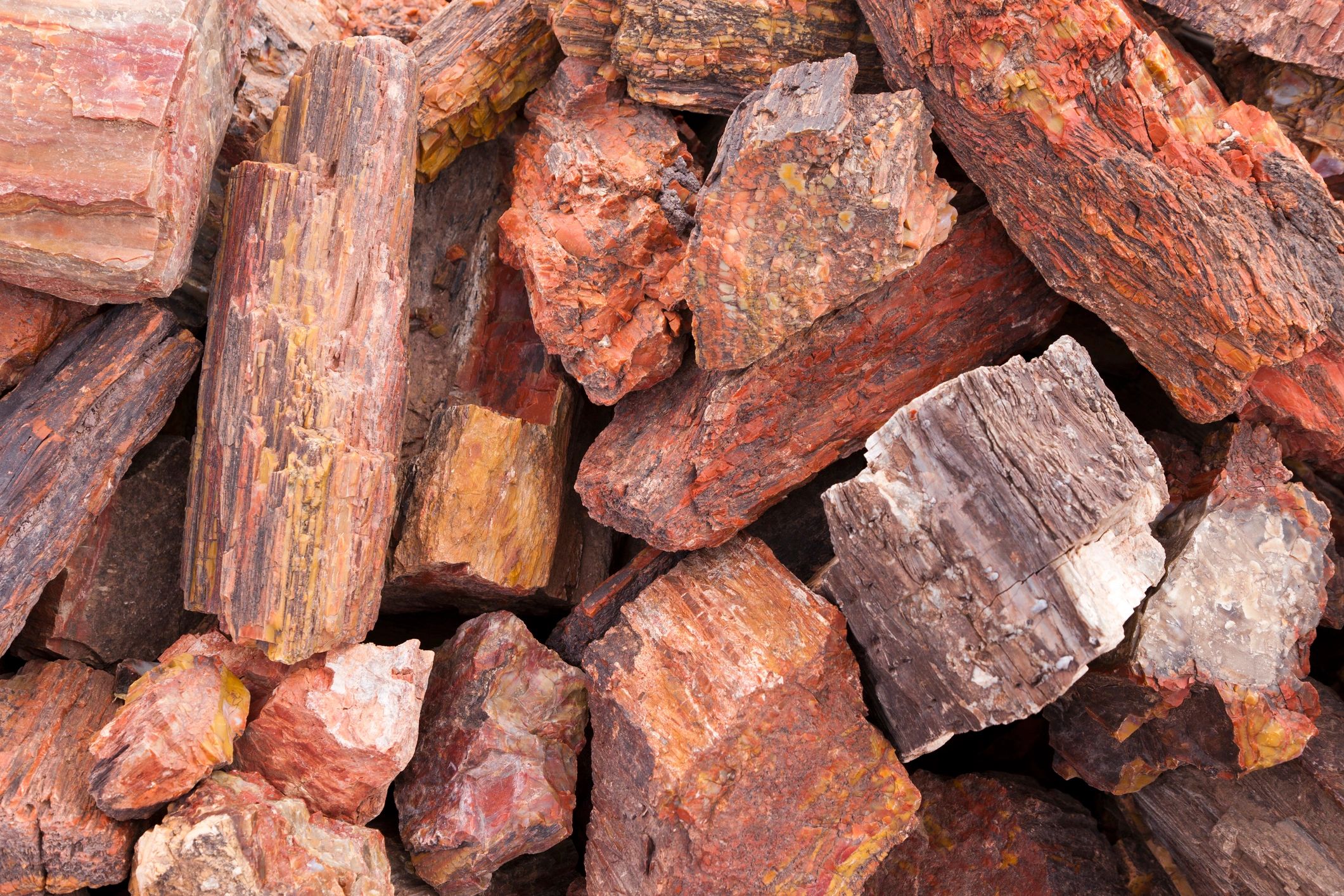
From texture-rich hand samples to polished pieces—browse by material name, color, and finish to find display-worthy stones.
Textures
Georgia-Inspired Surfaces
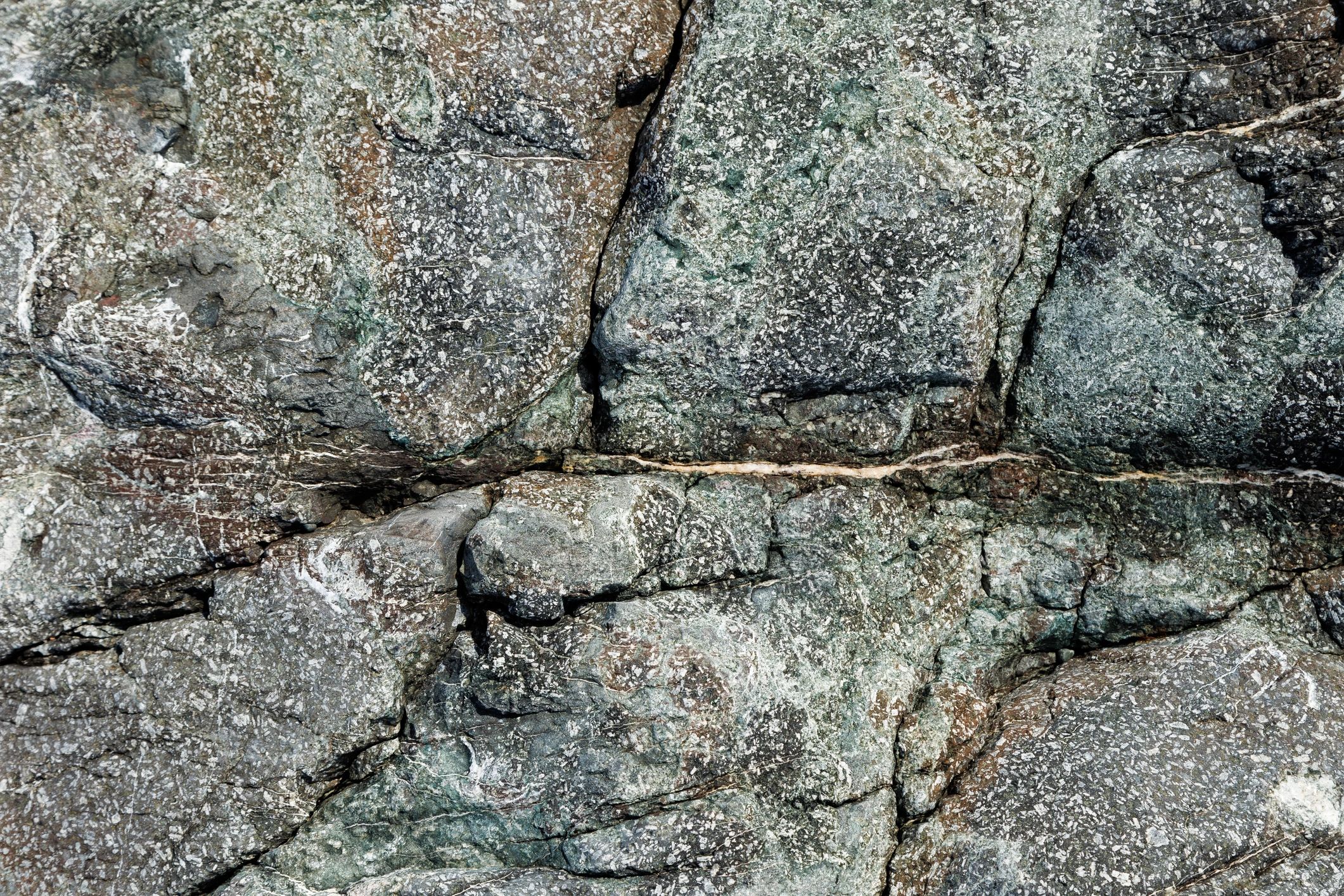
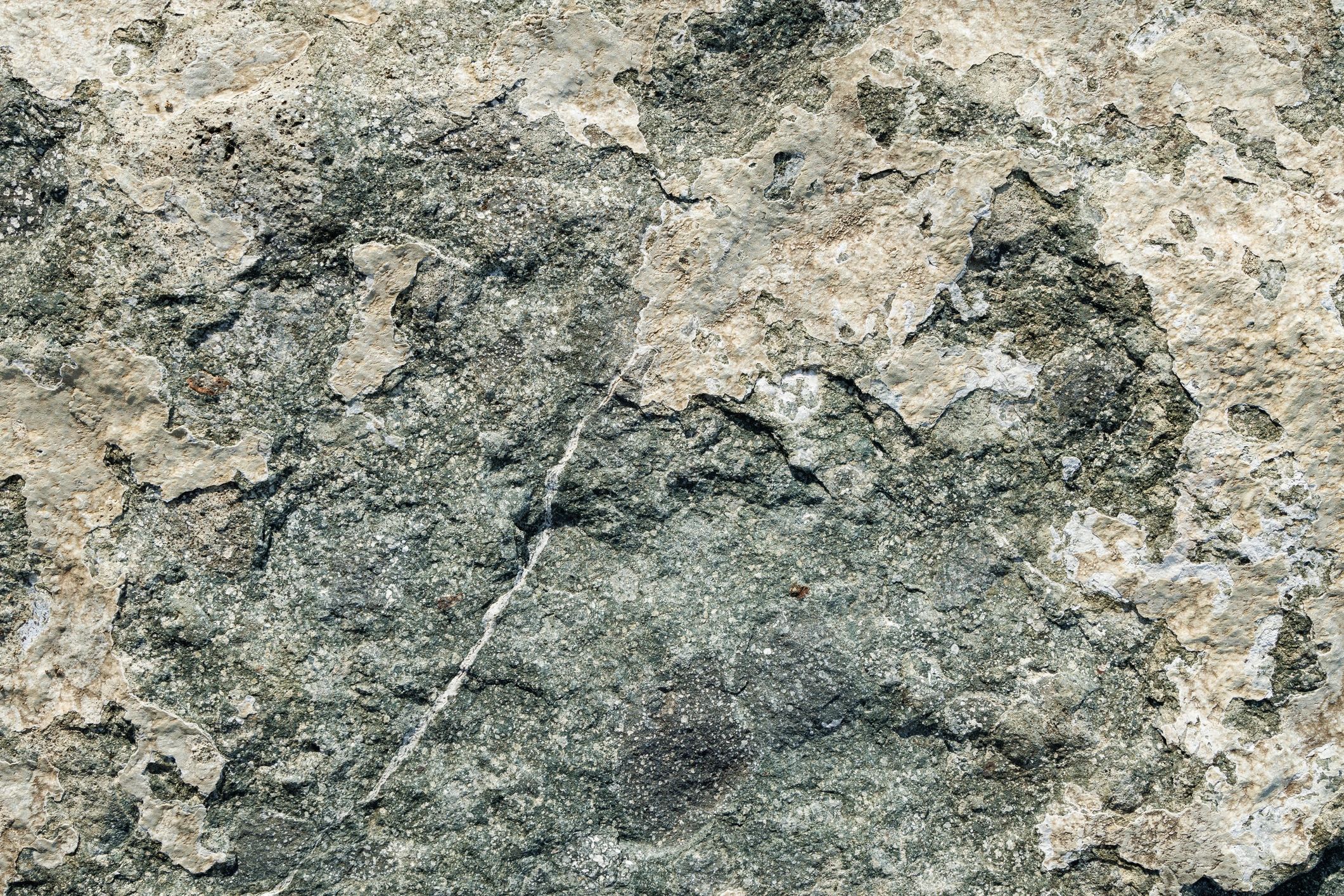
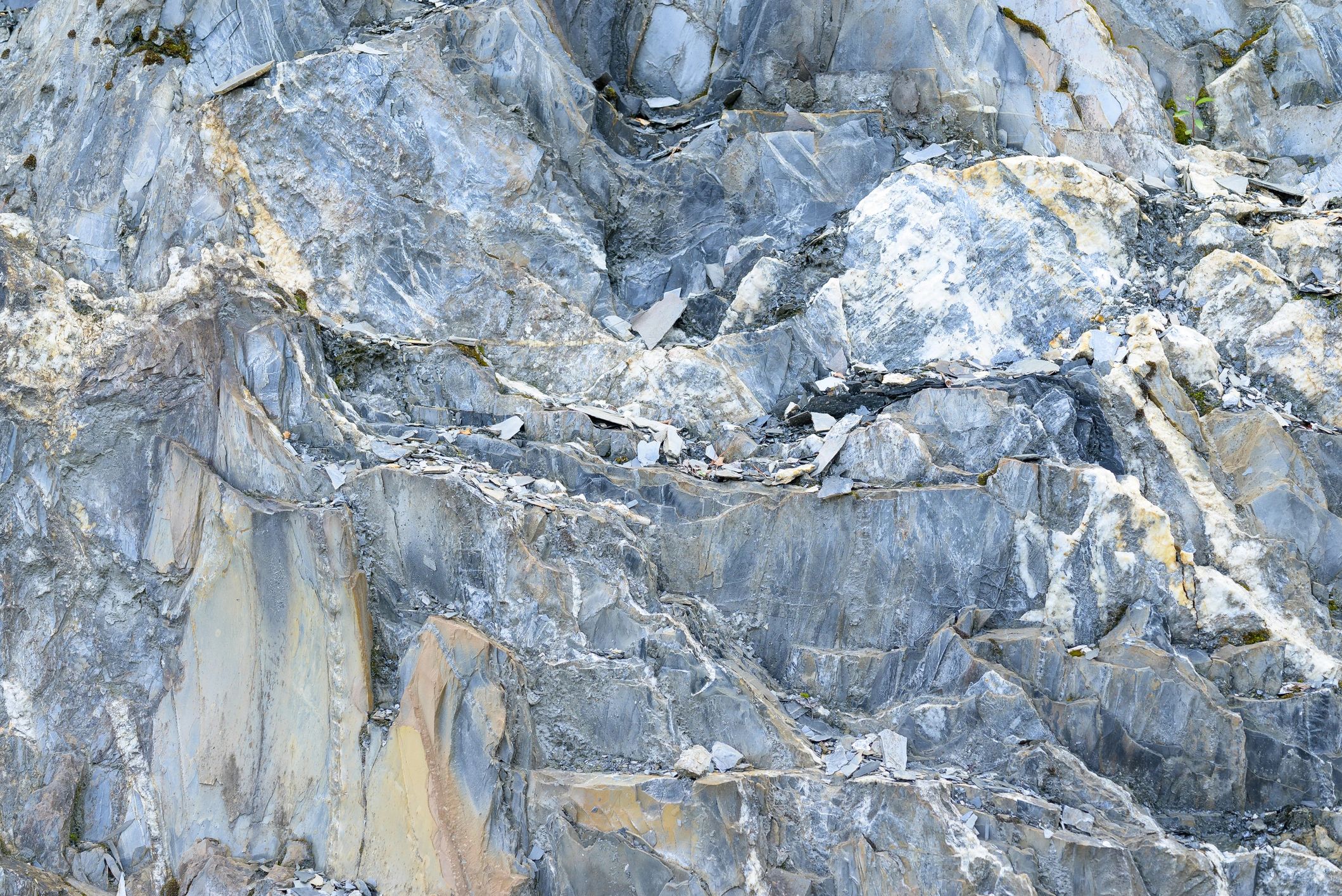
A small visual sampler of stone textures and finishes—useful for comparison when you’re learning to identify materials.