Illinois at a glance
Illinois sits at the meeting point of glaciated plains, river-carved bluffs, and bedrock shaped by ancient seas. For stone collectors and builders, that means a practical mix of limestones, dolostones, sandstones, and glacially transported gravels—with famous chert-bearing units in the south and classic dimension stone history around the Chicago region.
What to look for
Common Illinois materials
How to use this page
Shop by material, not hype
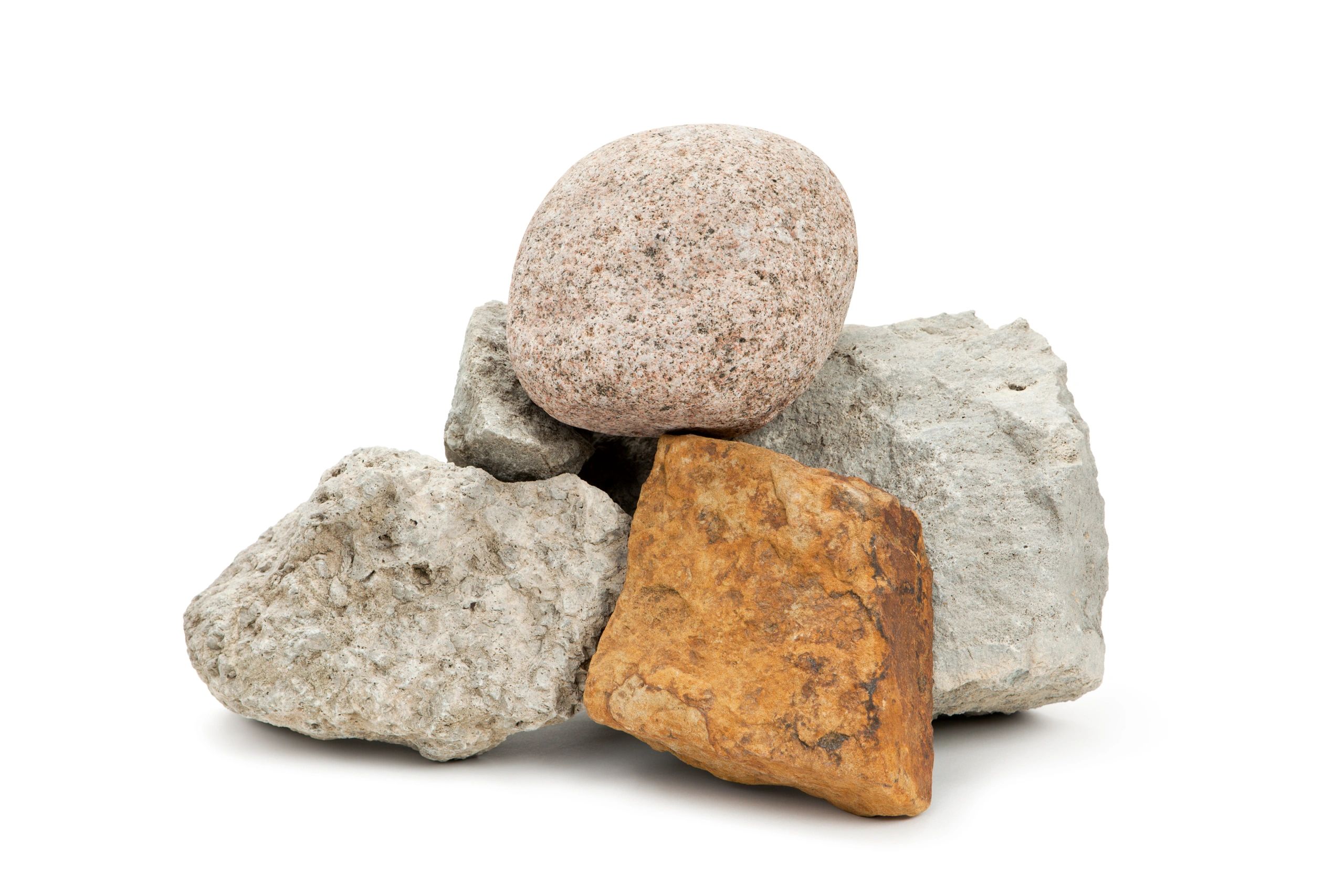
When a listing says “Illinois origin,” treat it as a starting point. Prioritize material ID (texture, hardness, and fracture) and context (river cobble, quarry stone, glacial gravel) to understand what you’re buying.
Ornamental Stones LLC organizes specimens and lapidary rough so you can browse by stone type and compare similar materials across regions. If you’re unsure, start with a familiar category—limestone, sandstone, chert—and refine by color, grain size, and finish.