Origins • United States
Delaware
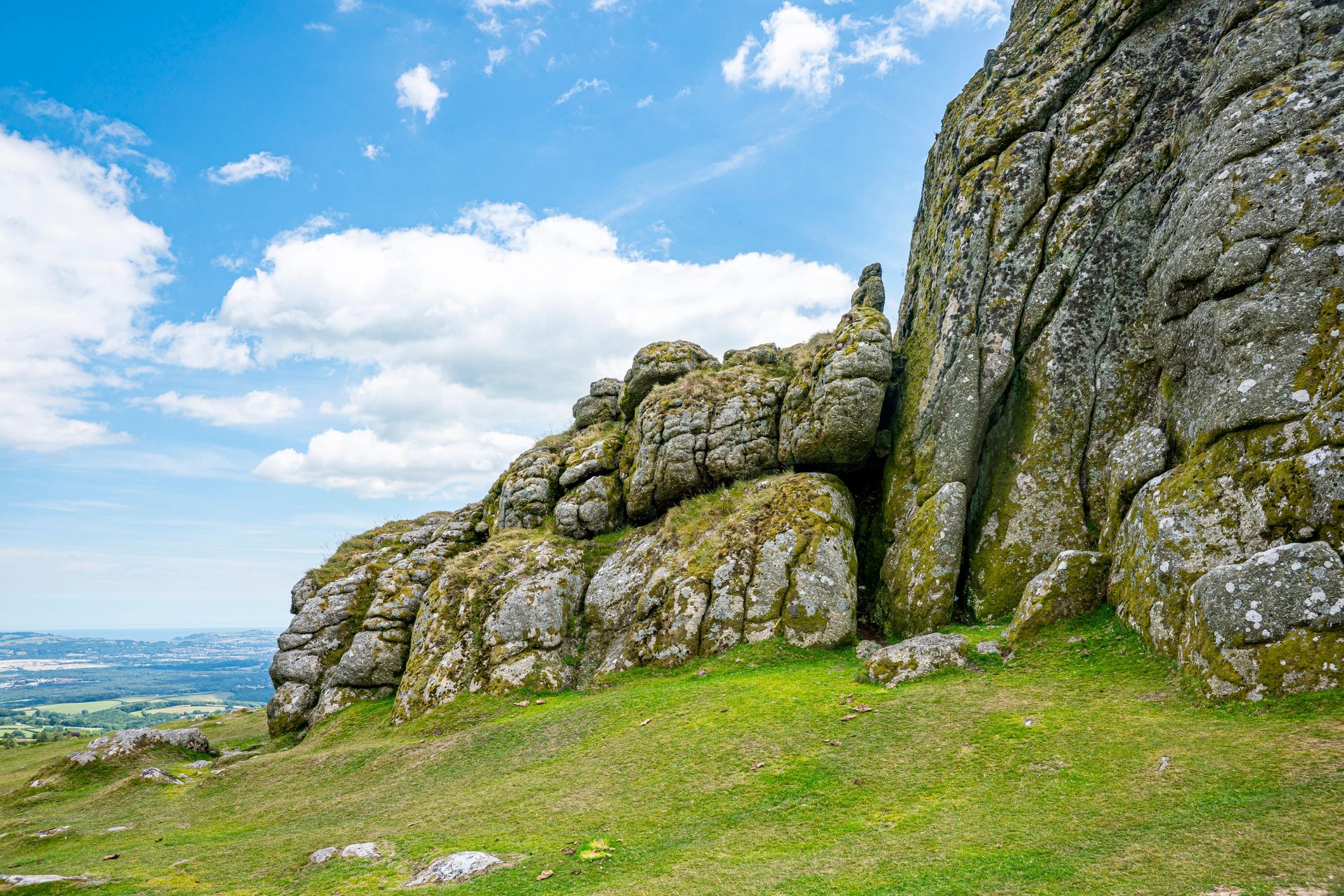
A quick, geology-forward snapshot of Delaware’s stone story—coastal sediments, river gravels, and the crystalline rocks just beyond the state line that supply many Mid-Atlantic specimens.
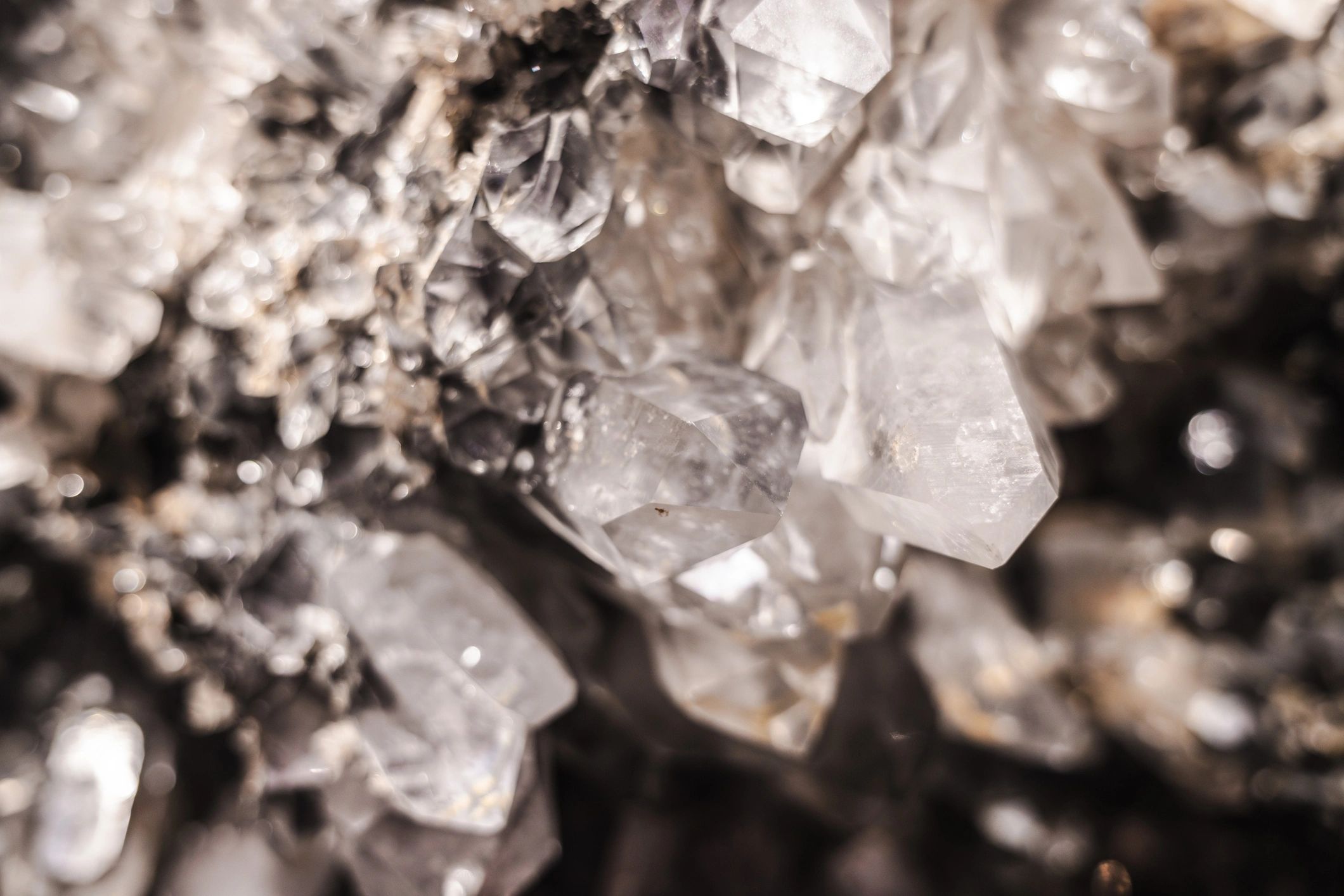
From Coastal Plain gravels to specimen-grade quartz
Overview
What Delaware’s geology means for stones
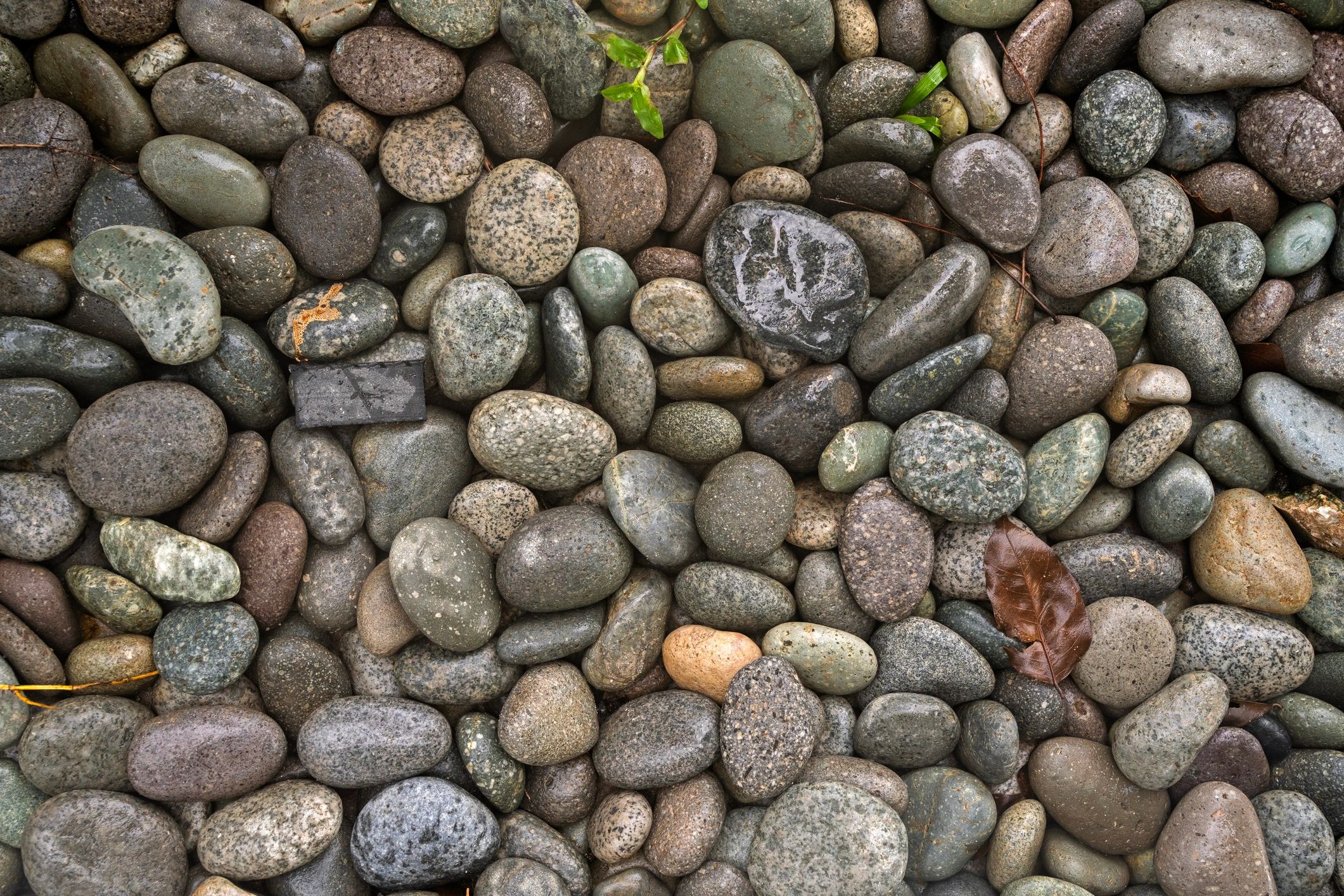
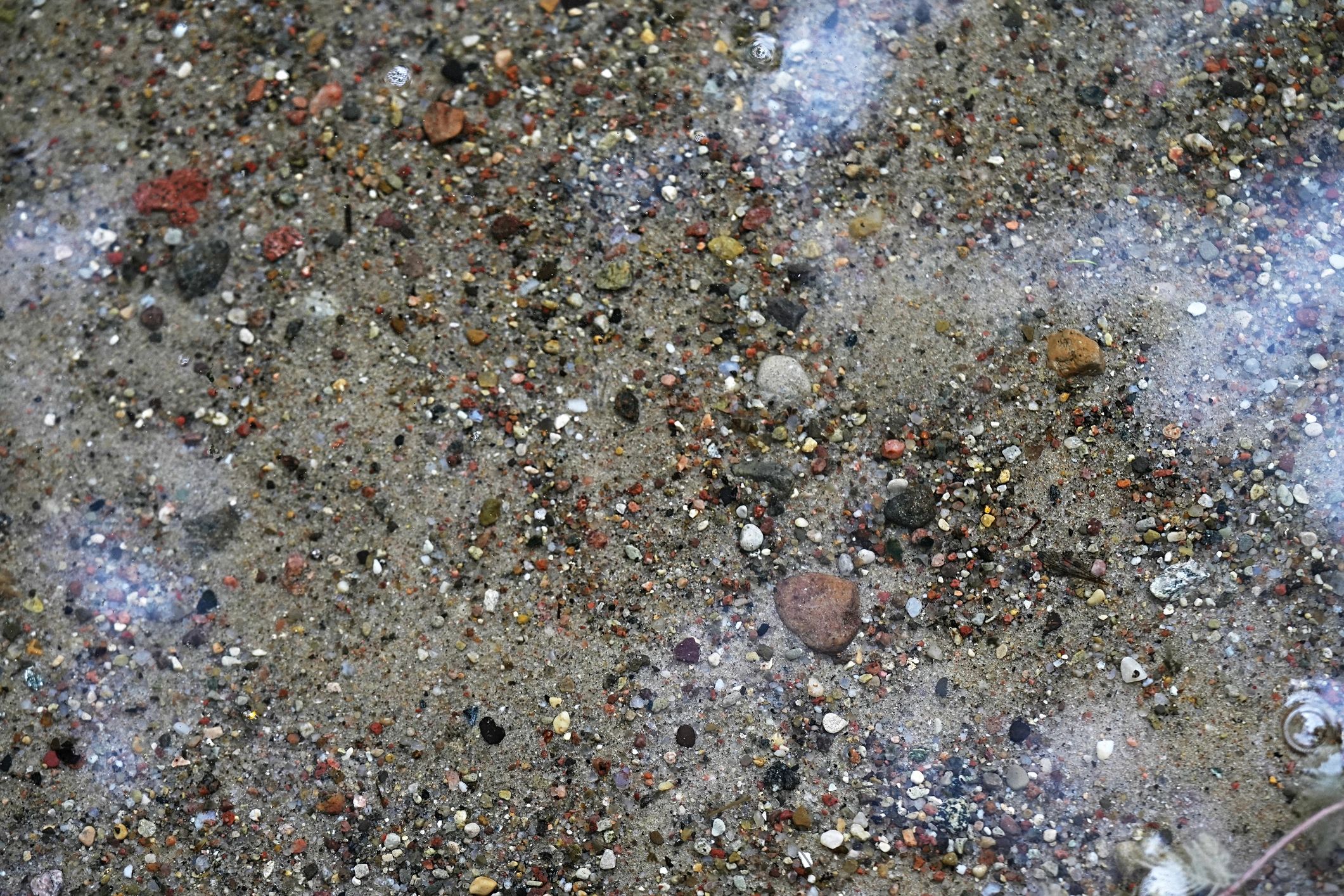
Most of Delaware sits on the Atlantic Coastal Plain, where sands, silts, clays, and shell-rich layers dominate. That means many “Delaware finds” are transported and reworked materials—rounded pebbles, iron-stained gravels, and fossil-bearing pieces—rather than fresh bedrock exposures.

Field Notes
What to look for in Delaware
Gallery
Textures that match the region
Use these reference textures to compare grain size, rounding, and surface luster when identifying unknown pieces from Delaware and the surrounding Mid-Atlantic.