Search results for: “marble”

  • Marble (Metamorphic)

    Marble (Metamorphic)

    Back to Geology · Back to Metamorphic

    Marble-like white and gray stone texture
    Marble forms when limestone recrystallizes under heat and pressure.

    In plain terms

    Marble is limestone that’s been “rebuilt” into a mosaic of new crystals.

    Key takeaways

    • Marble is metamorphosed limestone (mostly calcite/dolomite).
    • It often reacts with dilute acid.
    • Recrystallization can erase original fossils and bedding.
    • Impurities can create color banding and veining.
    • Context helps separate marble from similar-looking quartzite.

    Back to Geology

  • Vermont

    Vermont

    Vermont sits in the northern Appalachians and is known for metamorphic and igneous rocks shaped by mountain-building and later glaciation. The state is especially associated with slate and marble used as building stone, along with schists, gneisses, and granitic rocks.

    At a glance

    • Common rock types: schist, gneiss, quartzite, slate; marble and granitic intrusions
    • Notable materials: Vermont slate, marble, metamorphic minerals and textures
    • Where they come from: Appalachian orogeny metamorphism, older basement rocks, and glacial transport

    What collectors look for

    Collectors and builders often focus on slate and marble, plus metamorphic textures and minerals. Collect responsibly and follow land access rules.

    Back to United States (Hub)

Vermont

Vermont sits in the northern Appalachians and is known for metamorphic and igneous rocks shaped by mountain-building and later glaciation. The state is especially associated with slate and marble used as building stone, along with schists, gneisses, and granitic rocks.

At a glance

  • Common rock types: schist, gneiss, quartzite, slate; marble and granitic intrusions
  • Notable materials: Vermont slate, marble, metamorphic minerals and textures
  • Where they come from: Appalachian orogeny metamorphism, older basement rocks, and glacial transport

What collectors look for

Collectors and builders often focus on slate and marble, plus metamorphic textures and minerals. Collect responsibly and follow land access rules.

Back to United States (Hub)

  • Tennessee

    Tennessee

    Tennessee’s stone story spans the Appalachian Valley and Ridge in the east, the Highland Rim and Central Basin around Nashville, and the Mississippi Embayment in the west. The state is especially known for limestones and marbles, chert-rich strata, and fossil-bearing Paleozoic rocks that are widely used as building stone and collected by rockhounds.

    At a glance

    • Common rock types: limestone, dolostone, shale, sandstone, chert; localized marble and metamorphic rocks in the east
    • Notable materials: Tennessee marble (a polished limestone), fossil-rich limestones, chert and agate-like silica varieties
    • Where they come from: Appalachian fold-and-thrust belt (east), carbonate platforms (central), river and embayment sediments (west)

    What collectors look for

    Collectors often focus on fossil specimens from limestone units, attractive chert and silica nodules, and polished architectural stone. As always, collect responsibly and follow site rules and local regulations.

    Back to United States (Hub)

    • Common rock types: limestone, dolostone, shale, sandstone, chert; localized marble and metamorphic rocks in the east
    • Notable materials: Tennessee marble (a polished limestone), fossil-rich limestones, chert and agate-like silica varieties
    • Where they come from: Appalachian fold-and-thrust belt (east), carbonate platforms (central), river and embayment sediments (west)

    What collectors look for

    Collectors often focus on fossil specimens from limestone units, attractive chert and silica nodules, and polished architectural stone. As always, collect responsibly and follow site rules and local regulations.
    Back to United States (Hub)

    Tennessee

    Tennessee’s stone story spans the Appalachian Valley and Ridge in the east, the Highland Rim and Central Basin around Nashville, and the Mississippi Embayment in the west. The state is especially known for limestones and marbles, chert-rich strata, and fossil-bearing Paleozoic rocks that are widely used as building stone and collected by rockhounds.

    At a glance

    • Common rock types: limestone, dolostone, shale, sandstone, chert; localized marble and metamorphic rocks in the east
    • Notable materials: Tennessee marble (a polished limestone), fossil-rich limestones, chert and agate-like silica varieties
    • Where they come from: Appalachian fold-and-thrust belt (east), carbonate platforms (central), river and embayment sediments (west)

    What collectors look for

    Collectors often focus on fossil specimens from limestone units, attractive chert and silica nodules, and polished architectural stone. As always, collect responsibly and follow site rules and local regulations.
    Back to United States (Hub)

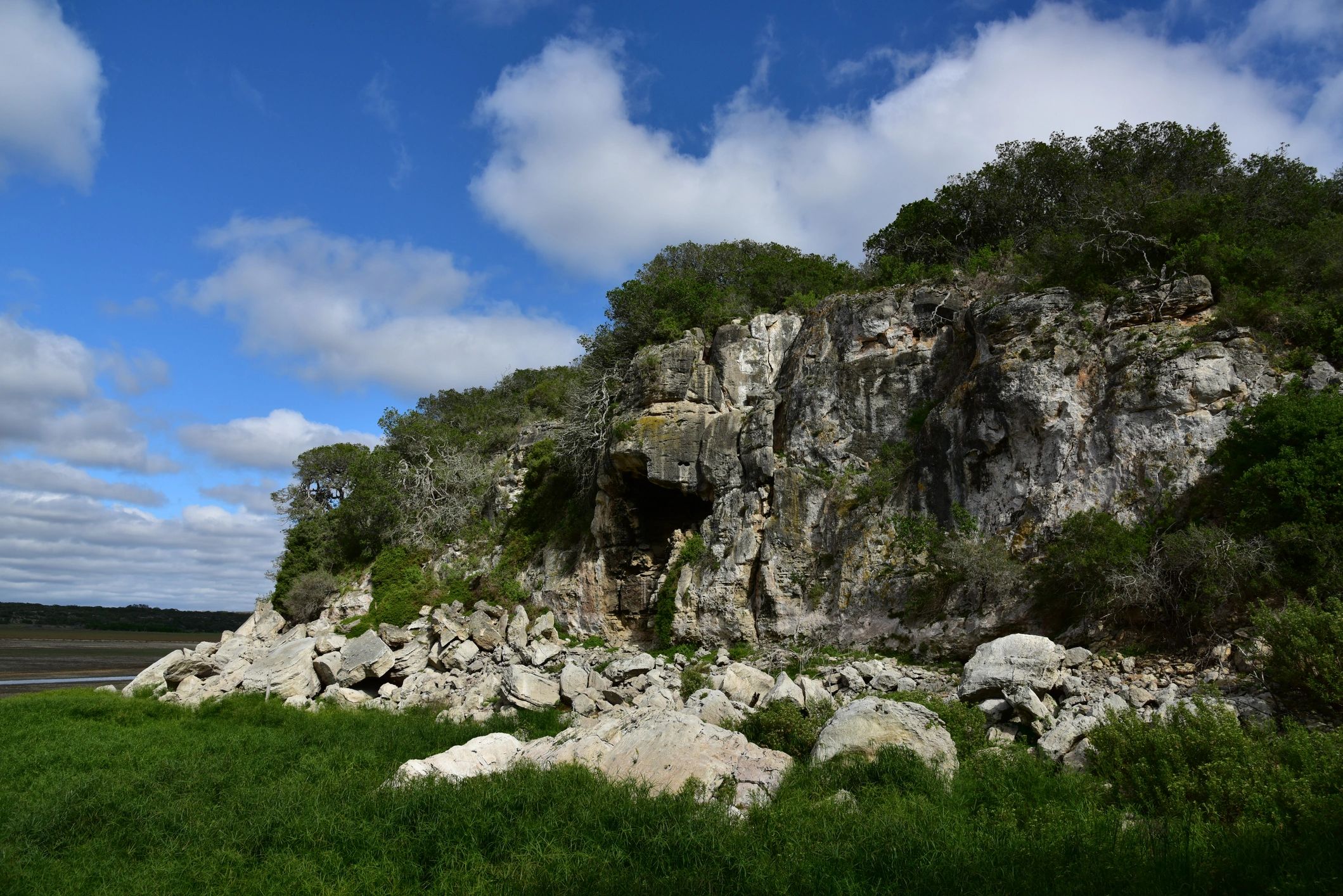
    What collectors look for

    Collectors often focus on fossil specimens from limestone units, attractive chert and silica nodules, and polished architectural stone. As always, collect responsibly and follow site rules and local regulations.
    Back to United States (Hub)

    What collectors look for

    Collectors often focus on fossil specimens from limestone units, attractive chert and silica nodules, and polished architectural stone. As always, collect responsibly and follow site rules and local regulations.
    Back to United States (Hub)

    Tennessee

    Tennessee’s stone story spans the Appalachian Valley and Ridge in the east, the Highland Rim and Central Basin around Nashville, and the Mississippi Embayment in the west. The state is especially known for limestones and marbles, chert-rich strata, and fossil-bearing Paleozoic rocks that are widely used as building stone and collected by rockhounds.

    At a glance

    What collectors look for

    Collectors often focus on fossil specimens from limestone units, attractive chert and silica nodules, and polished architectural stone. As always, collect responsibly and follow site rules and local regulations.
    Back to United States (Hub)

  • FAQ’s

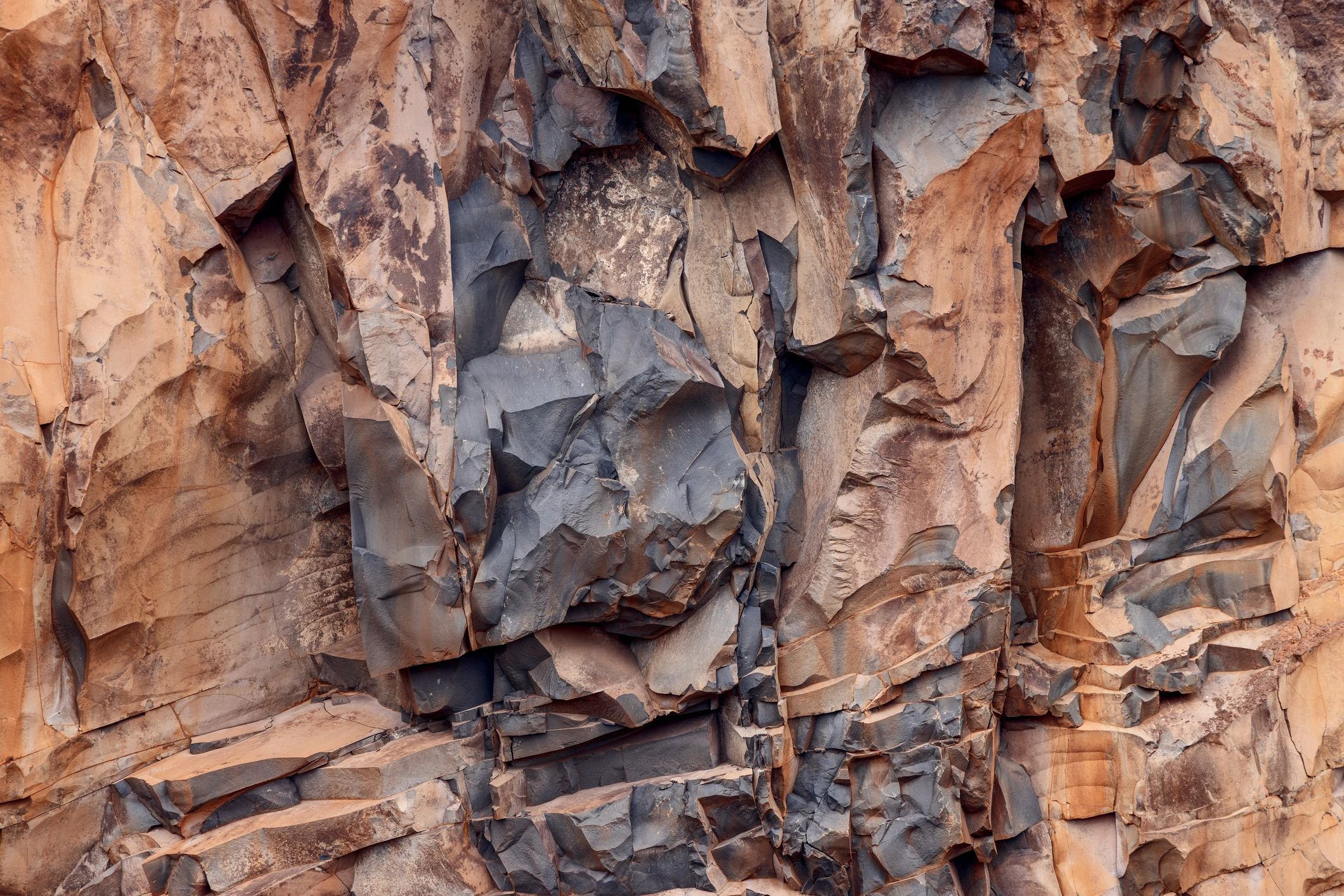
    Volcanic rock texture background with layered basalt fractures

    FAQ’s

    Stone Industry FAQ’s

    About 100 quick answers on stones, rocks, terminology, buying, and world regions.


    Industry & Buying

    1) What does “stone” mean in the stone industry?

    In trade, “stone” can mean a rock (granite, limestone), a mineral (quartz), or a gem material (jade). Geology uses precise rock/mineral terms; commerce often uses broader names.

    2) How are stones priced?

    Pricing reflects rarity, grade, size, cut/polish, stability, and provenance. For building stone, consistency and yield matter; for specimens, aesthetics and crystallization matter.

    3) What should I look for when buying stones online?

    Check photos in natural light, look for scale references, read for size and condition, and confirm shipping/returns. For rough, ask about fractures and yield; for specimens, ask about repairs.

    4) What is provenance?

    Provenance is documented origin (mine/quarry/region). It supports traceability, ethics, scientific context, and sometimes value.

    5) What is a “trade name”?

    A marketing name used in commerce that may not match strict geologic naming. When possible, pair trade names with a rock type or mineral species.

    6) What is the difference between natural and engineered stone?

    Natural stone is quarried/collected and used with minimal chemical alteration. Engineered stone is manufactured (often crushed stone + resin) for consistent appearance and performance.

    7) What does “grade” mean for stones?

    Grade is a quality tier based on factors like color, clarity, pattern consistency, fracture density, and suitability for the intended use.

    8) What is “yield” in lapidary or slab cutting?

    Yield is the usable percentage after trimming fractures, pits, and weak zones. Higher yield usually means better value for cutters.

    9) Why do two stones with the same name look different?

    Natural materials vary by locality, chemistry, and growth history. “Same name” can also reflect a trade name applied to multiple sources.

    10) Can I request a specific color or pattern?

    Often yes, but natural variation is expected. The best approach is selecting from current photos or a curated set of options.

    Collecting & Lapidary

    11) What is a mineral specimen?

    A piece collected for display or study, valued for crystal form, aesthetics, rarity, or locality information.

    12) What is lapidary rough?

    Uncut material intended for sawing, cabbing, carving, or faceting. Rough is evaluated for fractures, color zoning, and yield.

    13) What does “on matrix” mean?

    “On matrix” means the crystal is attached to its host rock. It can improve display value when stable and aesthetic.

    14) What is “gem quality” vs. “specimen quality”?

    Gem quality emphasizes clarity/color and suitability for cutting. Specimen quality emphasizes crystal form, rarity, and aesthetics—even if not cuttable.

    15) What is a cabochon?

    A smooth, domed cut (no facets) used for opaque to translucent materials like turquoise, opal, and many jaspers/agates.

    16) What is a “preform”?

    A partially shaped piece ready for final grinding/polishing, used to save time and improve consistency.

    17) What is “stabilized” turquoise?

    Porous material is impregnated (often with resin) to improve durability. It should be disclosed because it affects value and care.

    18) What does “treated” mean?

    A treated stone has been altered to improve appearance or durability (heat, dye, impregnation, coating). Treatments should be disclosed.

    19) What is “fracture filling”?

    Filling cracks with resin/glass-like substances to improve appearance. Common in some gems; disclosure matters for value and care.

    20) What is “chatoyancy”?

    The “cat’s-eye” effect caused by aligned fibers/inclusions reflecting light in a band (e.g., tiger’s eye, some chrysoberyl).

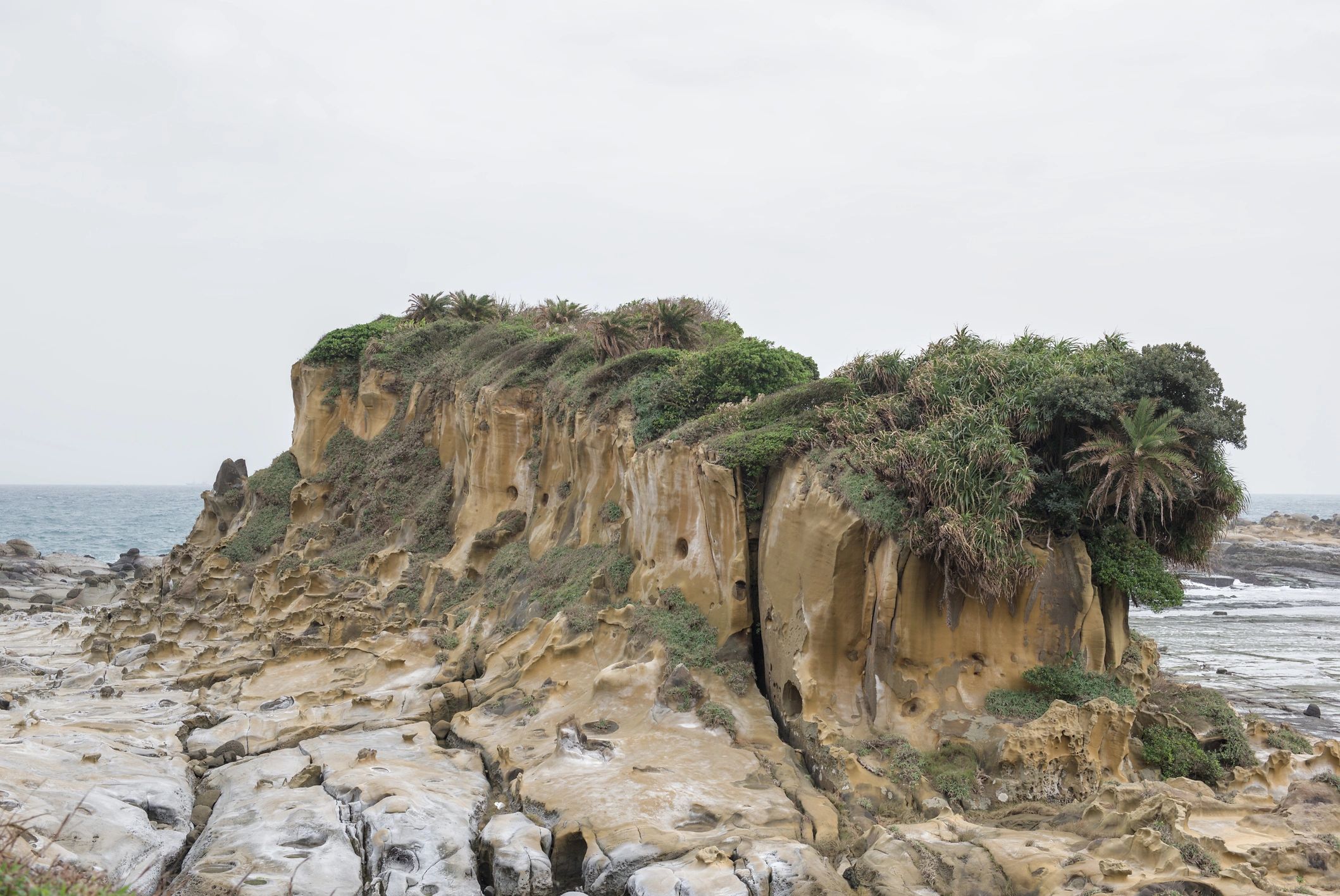
    Eroded coastal rock formation

    Care & Durability

    21) What is Mohs hardness?

    A 1–10 scale of scratch resistance. It helps predict wear and polish behavior.

    22) What is toughness vs. hardness?

    Hardness is scratch resistance; toughness is resistance to breaking/chipping. A stone can be hard but brittle.

    23) What is porosity?

    How much open space a stone has. Higher porosity can mean higher staining risk and greater need for sealing in some uses.

    24) Do all stones need sealing?

    No. Some dense stones need little to no sealing; many porous stones benefit from sealers in stain-prone environments. Always match sealer to stone type.

    25) Can acids damage stone?

    Yes—carbonates (limestone, marble, travertine) can etch with acids. Silicate stones (granite, quartzite) are generally more acid-resistant.

    26) What is “etching”?

    A dull mark caused by chemical reaction (common on carbonate stones). It’s different from a stain, which is a discoloration.

    27) What is cleavage vs. fracture?

    Cleavage is breaking along flat planes of weakness (mica). Fracture is irregular breakage (conchoidal fracture in quartz/obsidian).

    28) How should I clean most stones?

    Use mild soap and water, soft brushes, and avoid harsh acids/bleach unless you know the stone is compatible. For specimens, avoid soaking porous minerals.

    29) Can sunlight fade stones?

    Some dyed or light-sensitive materials can fade. Many natural stones are stable, but it’s best to avoid prolonged direct sun for dyed/treatment-prone pieces.

    30) What is “weathering”?

    Physical and chemical breakdown of rock at Earth’s surface (freeze-thaw, oxidation, dissolution). It changes appearance and strength over time.

    Building & Decorative Stone

    31) What is dimension stone?

    Natural stone quarried and cut to specific sizes for building and architectural use (blocks, slabs, tiles).

    32) What is the difference between granite and quartzite?

    Granite is an igneous rock rich in quartz and feldspar. Quartzite is metamorphosed sandstone dominated by quartz; it’s often very hard and durable.

    33) Is marble good for kitchens?

    Marble can work but is prone to etching from acids and can stain if unsealed. Many people choose it for beauty and accept patina; others prefer more resistant stones.

    34) What is travertine?

    A porous limestone deposited from mineral-rich waters. It often has voids and banding; it may be filled and sealed for many uses.

    35) What is slate used for?

    Slate is a fine-grained metamorphic rock that splits into sheets. It’s used for roofing, flooring, and decorative applications.

    36) What is “honed” vs. “polished” finish?

    Polished is glossy and reflective; honed is matte/satin. Honed finishes can hide etches better on carbonates but may show stains more easily.

    37) What is “flamed” finish?

    A textured finish made by heat-treating some granites to pop crystals and create slip resistance (often used outdoors).

    38) What is “spalling”?

    Flaking or breaking off of a stone surface, often from freeze-thaw cycles, salt crystallization, or incompatible installation.

    39) Why do some stones crack after installation?

    Common causes include substrate movement, thermal stress, improper setting materials, natural fissures, or moisture-related expansion in certain stones.

    40) What is “efflorescence”?

    White, powdery salt deposits that migrate to the surface as moisture evaporates. It’s common in masonry and some stone installations.

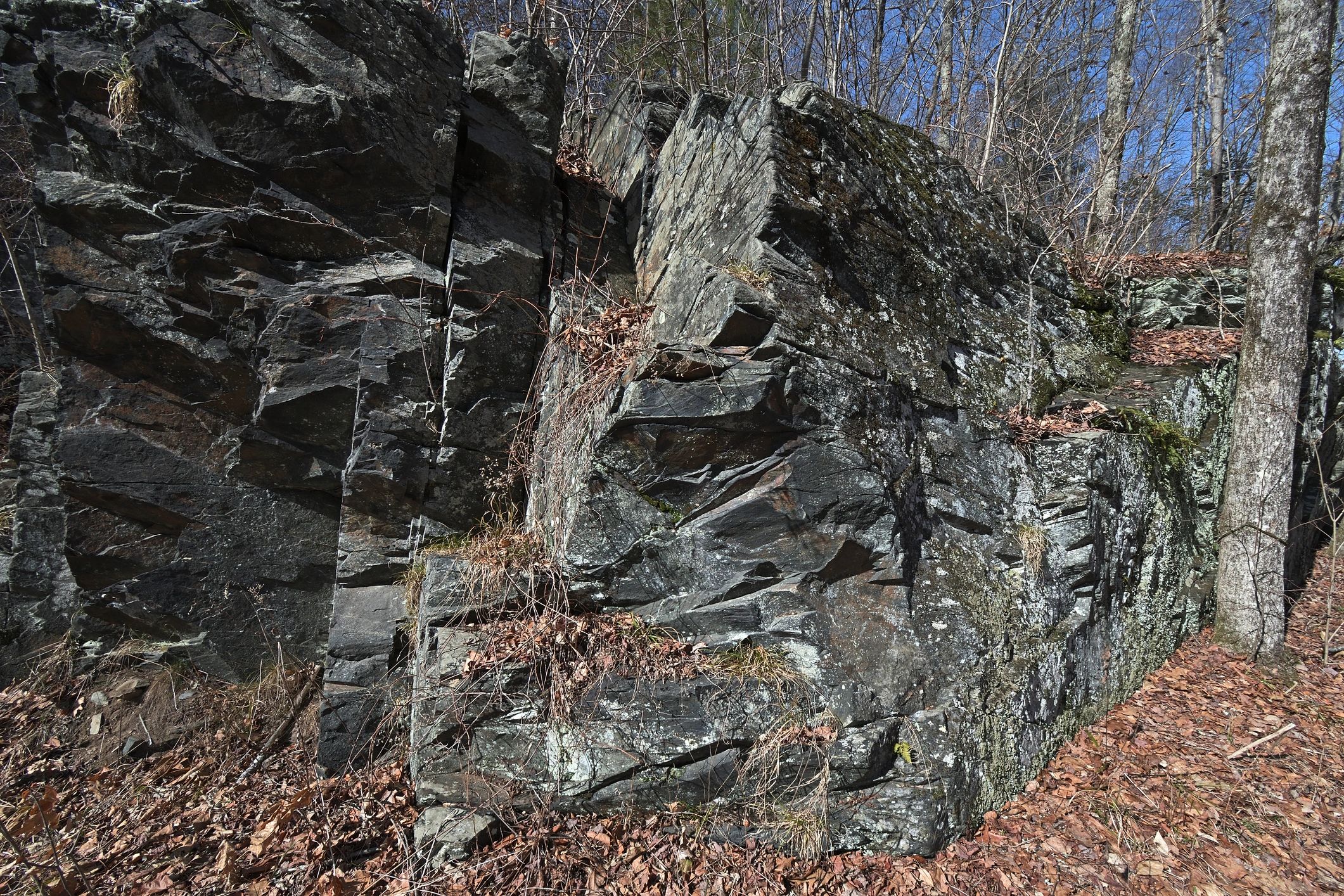
    Schist outcrop

    Rocks vs. Stones

    41) What is the difference between a rock and a stone?

    “Stone” is a general term; “rock” is the formal geologic term. People often use them interchangeably.

    42) What is the difference between a mineral and a rock?

    A mineral has a defined composition and crystal structure. A rock is an aggregate of minerals/mineraloids.

    43) What is the rock cycle?

    The rock cycle describes how rocks transform among igneous, sedimentary, and metamorphic through melting, crystallization, erosion, burial, and metamorphism.

    44) What is an igneous rock?

    A rock formed by cooling magma or lava. Intrusive igneous rocks cool slowly (coarse crystals); extrusive cool quickly (fine-grained or glassy).

    45) What is a sedimentary rock?

    A rock formed from deposited sediments (clastic) or from chemical/biologic precipitation (chemical/biochemical), often showing bedding or fossils.

    46) What is a metamorphic rock?

    A rock transformed by heat, pressure, and fluids without melting. It may develop foliation or recrystallize into new textures.

    47) What is “magma” vs. “lava”?

    Magma is molten rock underground; lava is molten rock at the surface.

    48) What is “intrusive” vs. “extrusive”?

    Intrusive igneous rocks crystallize underground (granite). Extrusive rocks cool at/near the surface (basalt, obsidian).

    49) What is foliation?

    Planar layering in metamorphic rocks caused by aligned minerals under directed pressure (e.g., schistosity, gneissic banding).

    50) What is bedding?

    Layering in sedimentary rocks produced by deposition over time. Bedding thickness and structures can indicate environment.

    Identification

    51) What are the fastest ways to identify a stone?

    Start with texture, luster, hardness, streak, magnetism, acid reaction, and density. Use a hand lens and compare to known references.

    52) What is luster?

    How a surface reflects light (metallic, vitreous, pearly, waxy, dull). Luster helps narrow mineral IDs.

    53) What is streak?

    The color of a mineral’s powder on an unglazed porcelain plate. It can differ from the surface color.

    54) What is specific gravity?

    A measure of density relative to water. Many minerals have characteristic ranges that help identification.

    55) What is an acid test?

    Dilute acid (often HCl) fizzes on carbonate minerals like calcite. It’s a quick way to detect limestone/marble components.

    56) What is magnetism used for?

    Magnetism can indicate minerals like magnetite or certain iron-rich materials. It’s a fast field clue.

    57) What is a hand lens?

    A small magnifier (often 10×) used to see grain size, crystal faces, inclusions, and textures that aren’t visible to the naked eye.

    58) What is a thin section?

    A rock slice ground to ~30 microns and viewed under a polarizing microscope to identify minerals and textures.

    59) What is XRD or XRF?

    XRD identifies crystalline phases; XRF measures elemental chemistry. Both are used to confirm composition beyond field tests.

    60) Where should I start on this site?

    Use Overview for the big picture, Geology for rock processes, and Stone Science for terminology and classification.

    Rocky outcrop landscape

    Scientific Terms

    61) What is a “lithology”?

    Lithology is the physical character of a rock (composition, grain size, texture, color) used to describe and map units.

    62) What is “mineralogy”?

    The study of minerals: their chemistry, crystal structure, properties, and formation.

    63) What is “petrology”?

    The study of rocks (igneous, sedimentary, metamorphic) and the processes that form them.

    64) What is “metasomatism”?

    Chemical alteration of a rock by fluids that add/remove elements, often producing new mineral assemblages.

    65) What is “diagenesis”?

    Changes that happen to sediments after deposition during burial (compaction, cementation) before metamorphism.

    66) What is “cementation”?

    Minerals precipitate between grains and bind sediment into rock (common in sandstones).

    67) What is “partial melting”?

    When only some minerals melt, producing magma with a different composition than the original rock.

    68) What is “fractional crystallization”?

    As magma cools, early-formed minerals remove elements, changing the remaining melt composition over time.

    69) What is “conchoidal fracture”?

    A smooth, curved break typical of quartz and glassy materials like obsidian—useful for identification and stone tool knapping.

    70) Where can I learn more terminology?

    See the Stone Science Glossary and the Stone Science overview.

    Regions & Origins

    71) Why do some countries have more gemstones?

    Gem deposits depend on tectonics, magmatism, metamorphism, and erosion history. Some regions combine the right heat/pressure/fluids plus exposure at the surface.

    72) What stones are common in volcanic regions?

    Basalt, andesite, volcanic glass (obsidian), pumice/scoria, and hydrothermal minerals (quartz, sulfides) are common around volcanic arcs and rifts.

    73) What stones are common in desert regions?

    Sandstones, evaporites (gypsum, halite), desert varnish on rocks, and agates/jaspers in some volcanic terrains are common.

    74) What stones are common in mountain belts?

    Metamorphic rocks (schist, gneiss, quartzite), granites, and mineralized veins are common in orogenic (mountain-building) belts.

    75) Why do river gravels contain mixed stones?

    Rivers collect and transport material from many upstream rock units. Rounded gravels reflect abrasion during transport.

    76) What is a “craton”?

    A stable, ancient part of continental crust. Cratons often host old metamorphic rocks and some major mineral deposits.

    77) What is a “sedimentary basin”?

    A region of long-term subsidence where sediments accumulate and lithify into sedimentary rock sequences.

    78) What is “alluvial” material?

    Material deposited by running water. Many gem gravels are alluvial placers concentrated by rivers.

    79) What is a “placer deposit”?

    A concentration of heavy, durable minerals (gold, garnet, some gemstones) formed by sorting during transport in water.

    80) Where can I browse stones by country?

    Use Origins to browse A–Z country pages and learn what each region is known for.


    More FAQ’s (81–100)

    81) What is “grain size”?

    The size of mineral grains in a rock (fine, medium, coarse). It helps distinguish cooling history and depositional environments.

    82) What is “phenocryst”?

    A larger crystal in a finer-grained igneous rock, indicating two-stage cooling.

    83) What is “vesicular” texture?

    Holes formed by gas bubbles in lava (common in scoria and some basalts).

    84) What is “clastic” sedimentary rock?

    Rock made of fragments (clasts) like sand, silt, or gravel (sandstone, shale, conglomerate).

    85) What is a conglomerate?

    A sedimentary rock with rounded gravel-sized clasts cemented together.

    86) What is a breccia?

    A rock with angular fragments cemented together; it can form from faults, landslides, impacts, or volcanic processes.

    87) What is “recrystallization”?

    Minerals grow and change shape during metamorphism, often producing interlocking textures (e.g., marble from limestone).

    88) What is “contact metamorphism”?

    Metamorphism caused mainly by heat near an intrusion, often producing hornfels and new mineral assemblages.

    89) What is “regional metamorphism”?

    Large-scale metamorphism during mountain building, producing foliated rocks like schist and gneiss.

    90) What is “hydrothermal” activity?

    Hot, mineral-rich fluids circulate through rock, depositing veins and altering minerals (common near volcanoes and faults).

    91) What is “silica” and why is it important?

    Silica (SiO₂) is a major component of many rocks and minerals. Silica content influences igneous rock types and magma viscosity.

    92) What does “felsic” mean?

    Felsic igneous rocks are silica-rich and lighter colored (granite, rhyolite), dominated by quartz and feldspar.

    93) What does “mafic” mean?

    Mafic rocks are richer in magnesium and iron, typically darker (basalt, gabbro), with minerals like pyroxene and olivine.

    94) What is “ultramafic”?

    Very Mg- and Fe-rich rocks (peridotite, dunite) dominated by olivine/pyroxene; important for some gem and ore deposits.

    95) What is “carbonate” stone?

    Stone dominated by carbonate minerals (calcite/dolomite), such as limestone, travertine, and marble; it reacts to acids.

    96) What is “silicate” stone?

    Stone dominated by silicate minerals (quartz, feldspar, mica). Many durable building stones are silicate-rich.

    97) What is “metamorphic grade”?

    A measure of metamorphic intensity (temperature/pressure). Higher grade often means new minerals and stronger foliation/banding.

    98) What is “cleavage” in metamorphic rocks?

    Planar splitting (like slaty cleavage) caused by aligned minerals; it’s different from mineral cleavage.

    99) Why do some stones sparkle?

    Reflective crystal faces, mica flakes, or fine-grained quartz can create sparkle. In some rocks, aligned minerals produce sheen.

    100) Where can I shop and learn at the same time?

    Browse the Shop, then use Stone Science, Geology, and Origins to understand what you’re seeing.


    Next Steps

    Ready to explore? Browse our curated stones, or dive deeper into the science and origins.

  • Stone Science — Common Rock-Forming Minerals

    Stone Science

    Common rock-forming minerals

    Scientific names and quick identifiers for the minerals that make up most rocks.

    Quartz geode crystals representing common silicate minerals
    Major groups

    Quartz

    SiO₂; no cleavage; conchoidal fracture; common in granites and sandstones.

    Feldspars

    Plagioclase + K-feldspar; two cleavages; dominate many igneous rocks.

    Micas

    Biotite/muscovite; perfect basal cleavage; platy habit.

    Amphiboles & pyroxenes

    Dark silicates; cleavage angles differ; common in mafic rocks.

    Olivine

    Green Mg-Fe silicate; granular; common in basalt and ultramafics.

    Carbonates

    Calcite/dolomite; acid reaction (calcite); common in limestones and marbles.

    Mineral close-ups

    Representative mineral textures for reference (field ID should use multiple properties).

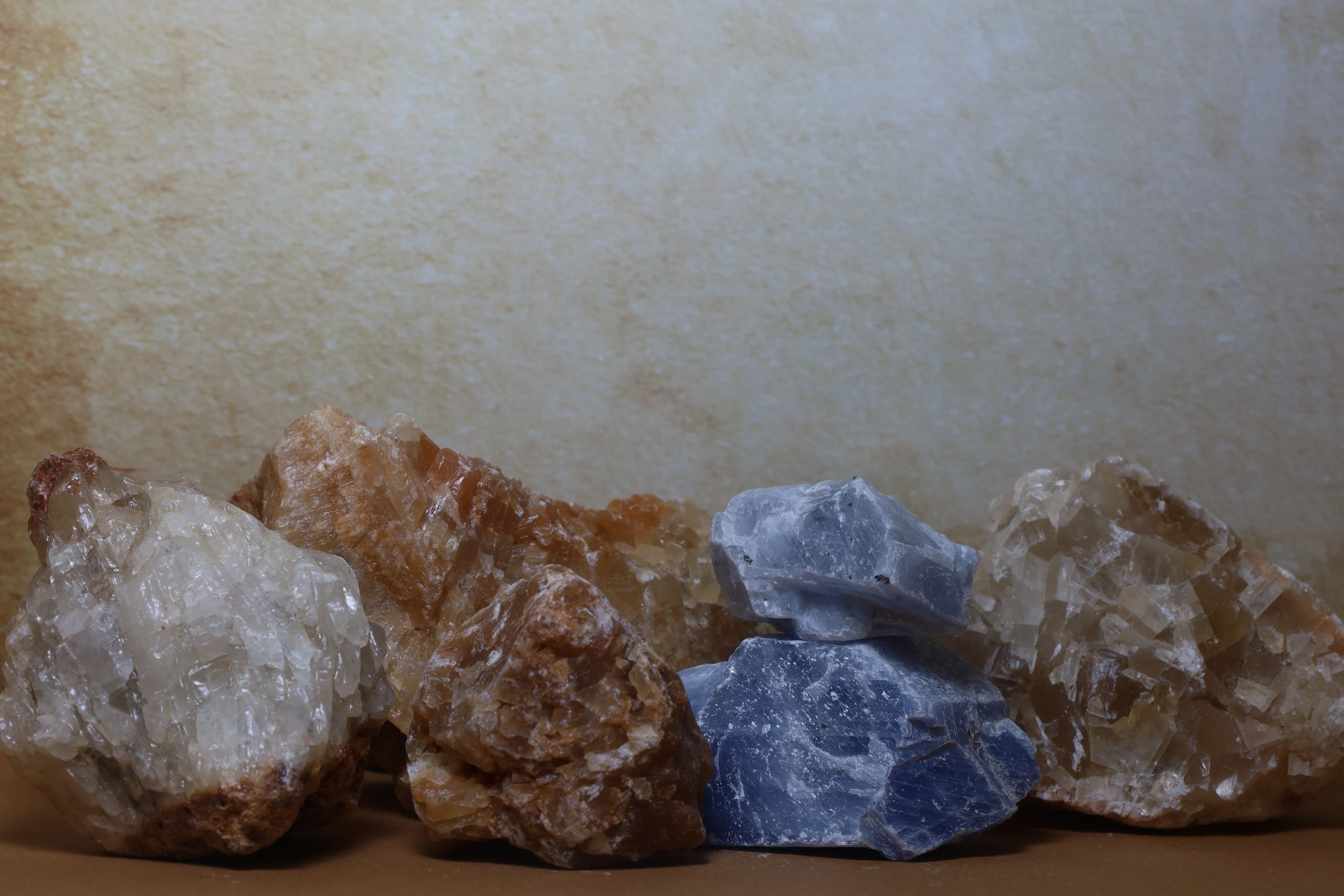
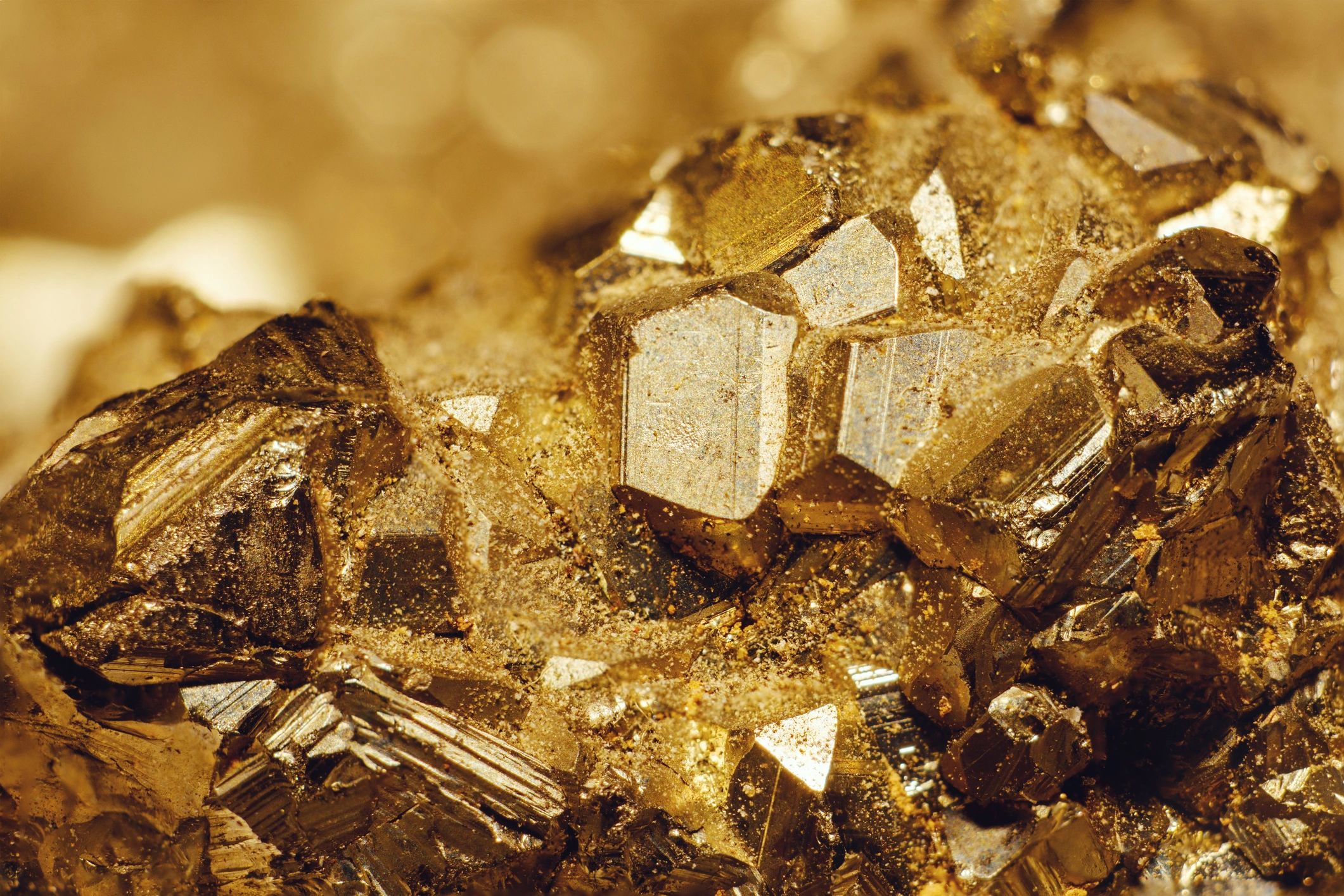
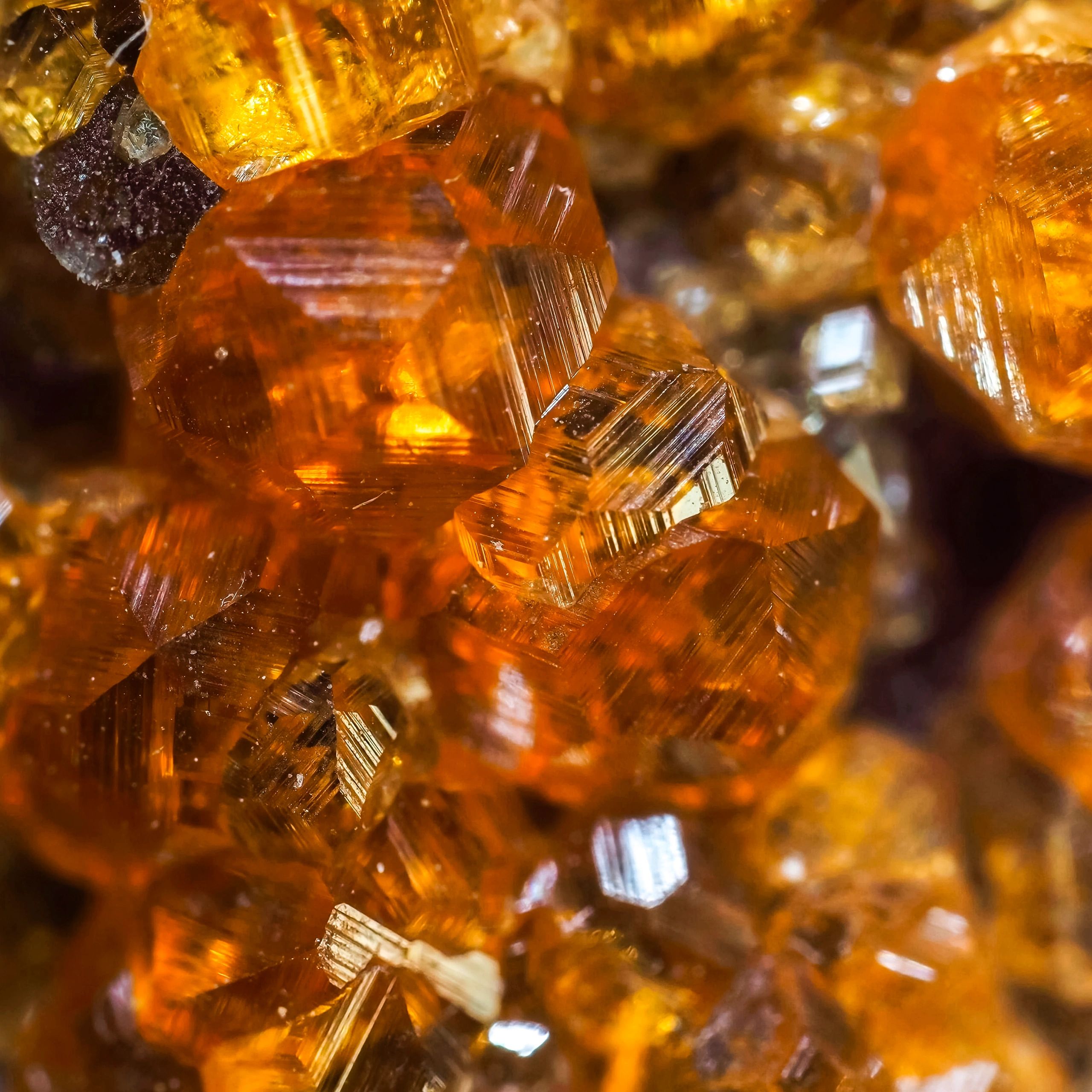
    Agate banding (microcrystalline quartz) Calcite mineral set Pyrite texture (sulfide example) Garnet crystals
    Agate banding (microcrystalline quartz) Calcite mineral set Pyrite texture (sulfide example) Garnet crystals
    Agate banding (microcrystalline quartz) Calcite mineral set Pyrite texture (sulfide example) Garnet crystals
    Agate banding (microcrystalline quartz) Calcite mineral set Pyrite texture (sulfide example) Garnet crystals
    Agate banding (microcrystalline quartz) Calcite mineral set Pyrite texture (sulfide example) Garnet crystals
    Agate banding (microcrystalline quartz) Calcite mineral set Pyrite texture (sulfide example) Garnet crystals

    Back to Stone Science

    Return to the overview page for chapters, takeaways, and the mini-glossary.

  • Stone Science — Metamorphic Rocks (Scientific)

    Metamorphic rocks (scientific)

    Scientific terms for metamorphism: protolith, grade, index minerals, and fabric (foliation/lineation).

    Classification

    How metamorphic rocks are named

    Names reflect fabric + mineral assemblage + protolith when known.

    Protolith

    The original rock before metamorphism (e.g., shale → slate/phyllite/schist; limestone → marble).


    Metamorphic grade

    Low to high grade reflects temperature/pressure conditions and mineral changes.


    Index minerals

    Minerals that indicate conditions (e.g., chlorite, garnet, staurolite, kyanite, sillimanite).


    Fabric terms

    Foliation, schistosity, gneissic banding, lineation; non-foliated textures like granoblastic.

    Metamorphic fabrics

    Foliation and banding are key scientific descriptors for metamorphic rocks.

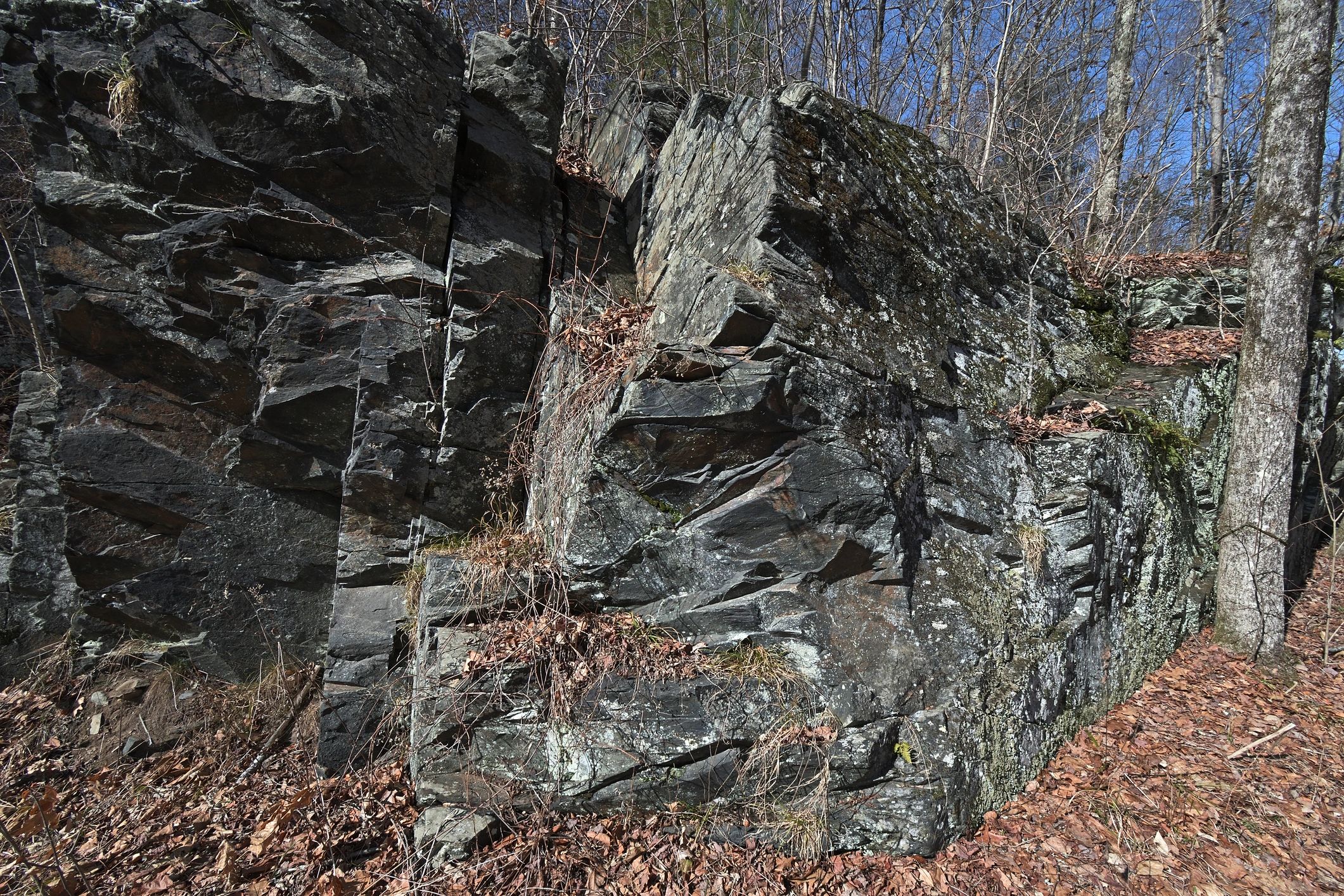
    Schist outcrop showing foliation Weathered rock surface with mineral vein Granite texture for comparison with metamorphic banding Mineral macro texture in gold and taupe tones
    Schist outcrop showing foliation Weathered rock surface with mineral vein Granite texture for comparison with metamorphic banding Mineral macro texture in gold and taupe tones
    Schist outcrop showing foliation Weathered rock surface with mineral vein Granite texture for comparison with metamorphic banding Mineral macro texture in gold and taupe tones
    Schist outcrop showing foliation Weathered rock surface with mineral vein Granite texture for comparison with metamorphic banding Mineral macro texture in gold and taupe tones
    Schist outcrop showing foliation Weathered rock surface with mineral vein Granite texture for comparison with metamorphic banding Mineral macro texture in gold and taupe tones
    Schist outcrop showing foliation Weathered rock surface with mineral vein Granite texture for comparison with metamorphic banding Mineral macro texture in gold and taupe tones

    Return to Stone Science

    Go back to the Stone Science overview to continue with the rock cycle, textures, and geochemistry basics.

  • Foliation & Fabric (Metamorphic)

    Foliation & Fabric (Metamorphic)

    Back to Geology · Back to Metamorphic

    Metamorphic mineral texture close-up
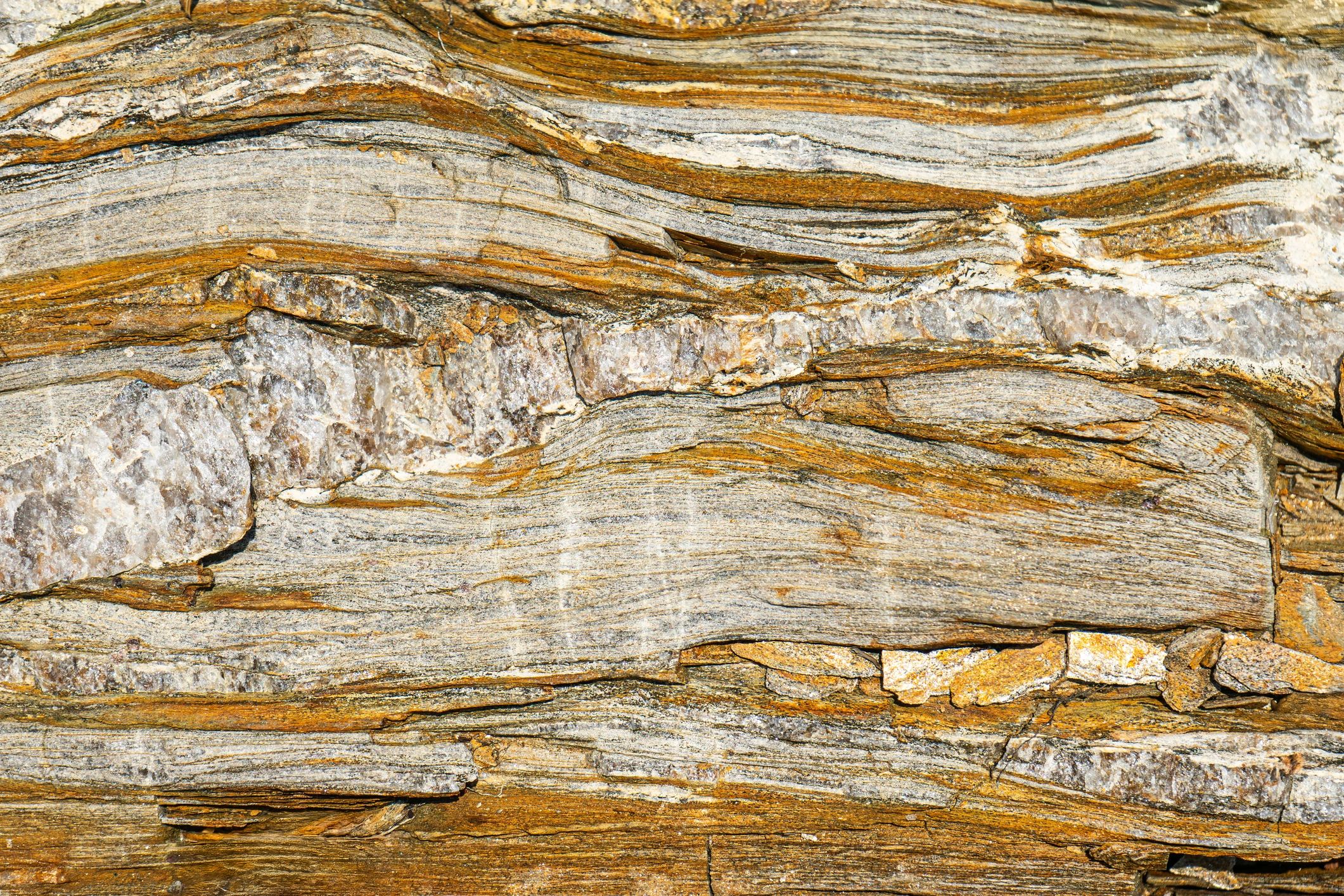
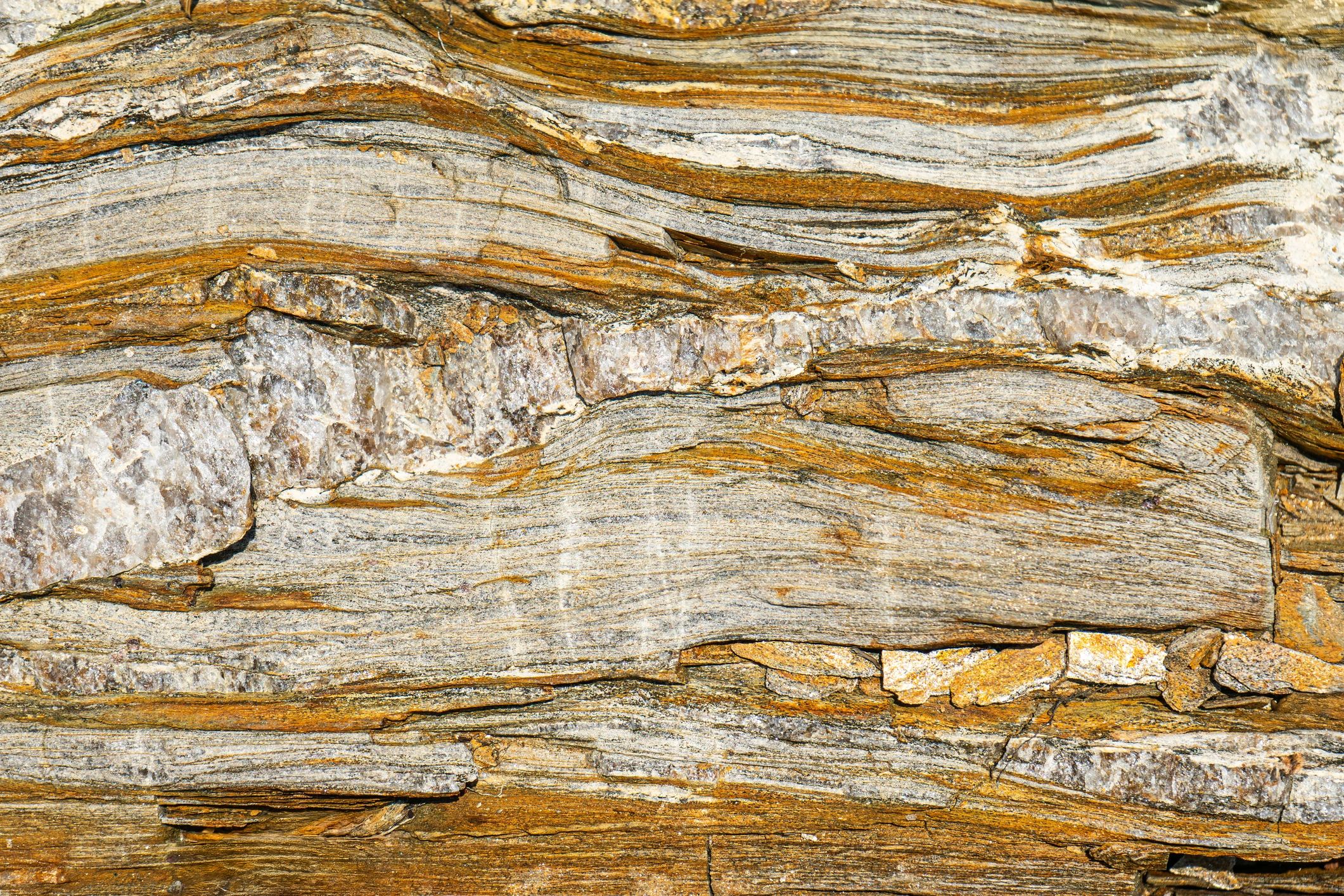
    Foliation is a planar fabric created by directed pressure.

    In plain terms

    Foliation is the “grain” of metamorphic rock—minerals line up as the rock deforms.

    Key takeaways

    • Foliation forms under directed stress.
    • Mica-rich rocks foliate easily.
    • Foliation can record tectonic shortening and shear.
    • Not all metamorphic rocks are foliated (e.g., marble, quartzite).
    • Fabric + minerals help interpret metamorphic conditions.

    Back to Geology

  • Limestone & Carbonates (Sedimentary)

    Limestone & Carbonates (Sedimentary)

    Back to Geology · Back to Sedimentary

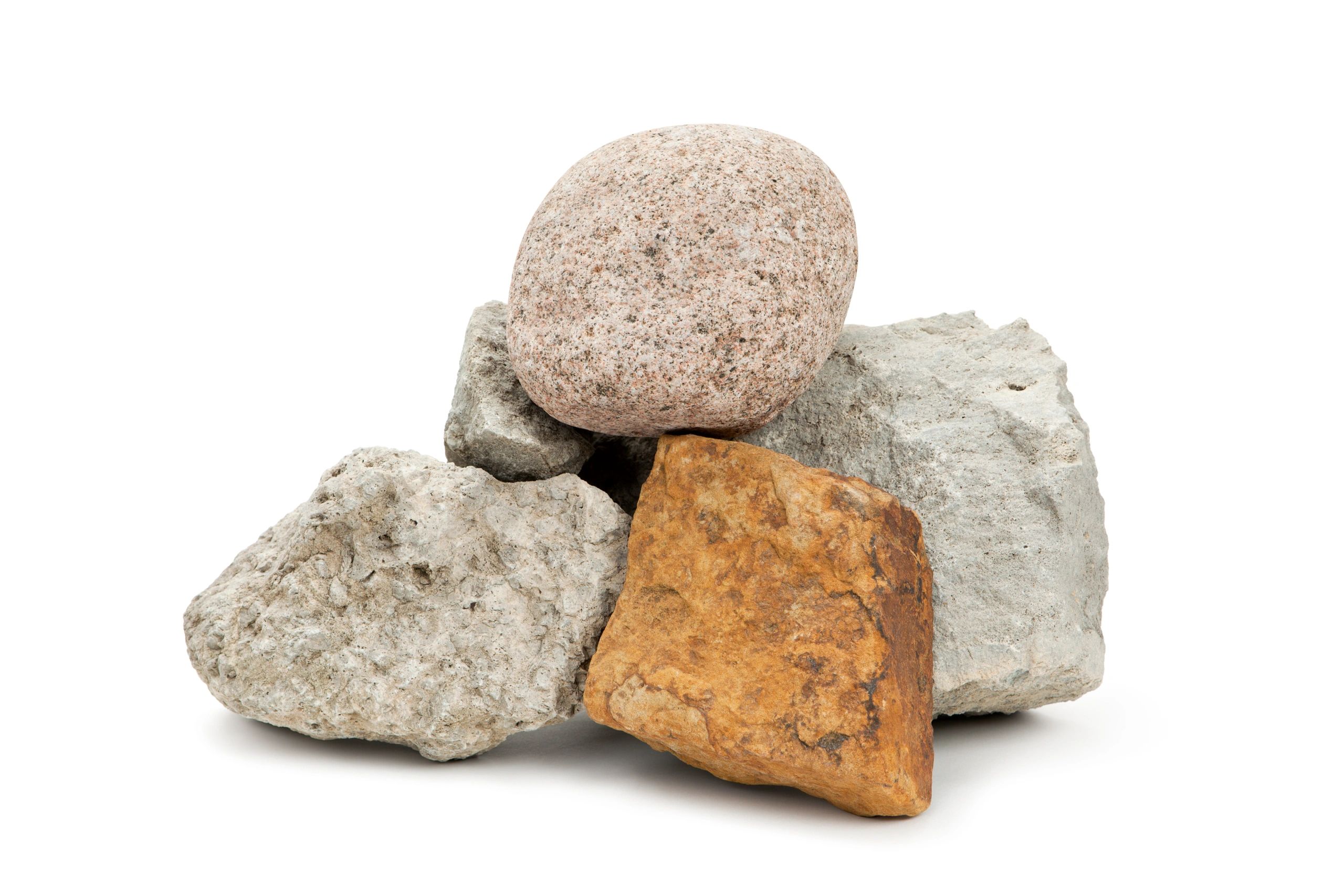
    Pile of rocks including limestone and sandstone
    Carbonate rocks are common and often react with dilute acid.

    In plain terms

    Limestone is often made from shells and marine life—an ocean story turned into stone.

    How it forms

    Carbonate rocks form from biological accumulation (shells, reefs), chemical precipitation, or reworked carbonate sediments. They’re common in warm, shallow marine settings but can form in lakes and caves as well.

    Key takeaways

    • Dilute acid reaction is a key field test.
    • Fossils are common in many limestones.
    • Carbonates can dissolve and form karst (caves, sinkholes).
    • Impurities can create dolostone or marly limestone.
    • Metamorphism turns limestone into marble.

    Back to Geology

  • Mineral Properties (Field Tests)

    Mineral Properties (Field Tests)

    Back to Geology · Back to Minerals & Identification

    Colorful mineral crystals and banding in an agate cross-section
    Mineral properties are the fastest way to narrow down an ID.

    In plain terms

    You don’t need a lab to start—most mineral IDs begin with a few repeatable tests and careful observation.

    Core properties

    • Hardness: scratch resistance (Mohs scale). Use a fingernail (~2.5), copper coin (~3), steel (~5.5), glass (~5.5).
    • Streak: powder color on an unglazed porcelain plate—often more reliable than surface color.
    • Luster: how it reflects light (metallic, vitreous, pearly, dull).
    • Cleavage: breaks along flat planes (mica sheets, calcite rhombs). Fracture is irregular breaking (conchoidal in quartz).
    • Density: “heft” can separate lookalikes (barite vs. quartz).
    • Magnetism: quick check for magnetite and some iron-rich minerals.
    • Acid reaction: dilute acid fizzes on calcite-rich rocks (limestone, marble).

    Key takeaways

    • Start with hardness + streak + cleavage/fracture.
    • Surface color can mislead—streak and luster help.
    • Acid reaction is a powerful carbonate test.
    • Record results; repeatability matters.
    • Use context (host rock, location) to refine the ID.

    Back to Geology

  • Geology Hub — Metamorphic

    Metamorphic mineral texture close-up with foliation-like banding

    Geology hub

    Metamorphic

    How rocks change without melting: foliation, recrystallization, metamorphic grade, and what textures reveal about pressure and heat.

    Subtopics

    Marble

    Metamorphosed limestone—why it reacts with acid, how it takes polish, and what it says about its parent rock.

    Schist & gneiss

    Foliation and banding—how minerals align and segregate under deformation.

    Metamorphic grade

    Low to high grade: how mineral assemblages change with temperature and pressure.

    Foliation & fabric

    Cleavage, schistosity, gneissic banding—what fabric tells you about stress and flow.

  • More posts