Search results for: “limestone”

  • Limestone & Carbonates (Sedimentary)

    Limestone & Carbonates (Sedimentary)

    Back to Geology · Back to Sedimentary

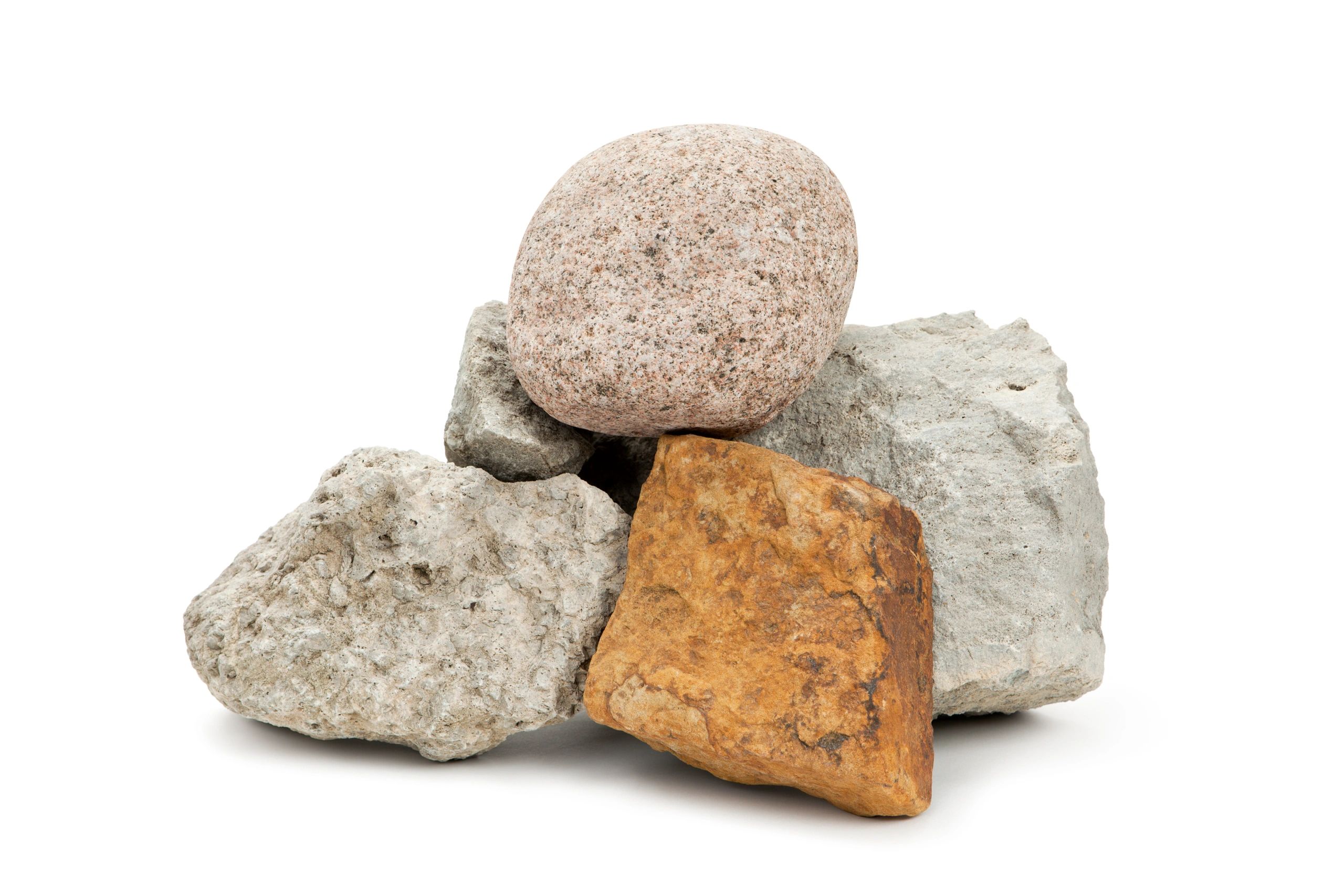
    Pile of rocks including limestone and sandstone
    Carbonate rocks are common and often react with dilute acid.

    In plain terms

    Limestone is often made from shells and marine life—an ocean story turned into stone.

    How it forms

    Carbonate rocks form from biological accumulation (shells, reefs), chemical precipitation, or reworked carbonate sediments. They’re common in warm, shallow marine settings but can form in lakes and caves as well.

    Key takeaways

    • Dilute acid reaction is a key field test.
    • Fossils are common in many limestones.
    • Carbonates can dissolve and form karst (caves, sinkholes).
    • Impurities can create dolostone or marly limestone.
    • Metamorphism turns limestone into marble.

    Back to Geology

  • Wyoming

    Wyoming

    Wyoming’s geology includes mountain uplifts, broad basins, volcanic provinces, and world-famous sedimentary sequences. The state’s stone and fossil interest is wide-ranging—sandstones and limestones, volcanic rocks in places, silica-rich stones in gravels, and abundant fossil-bearing strata.

    At a glance

    • Common rock types: sandstone, shale, limestone; igneous and metamorphic rocks in uplifts; volcanic rocks in select regions
    • Notable materials: fossil strata, chert and jasper-like silica stones, volcanic rocks and tuffs
    • Where they come from: Rocky Mountain uplift, basin sedimentation, and volcanic activity

    What collectors look for

    Collectors often look for fossils in appropriate formations and interesting silica-rich stones from gravels. Always confirm collecting rules and land access before collecting.

    Back to United States (Hub)

Wyoming

Wyoming’s geology includes mountain uplifts, broad basins, volcanic provinces, and world-famous sedimentary sequences. The state’s stone and fossil interest is wide-ranging—sandstones and limestones, volcanic rocks in places, silica-rich stones in gravels, and abundant fossil-bearing strata.

At a glance

  • Common rock types: sandstone, shale, limestone; igneous and metamorphic rocks in uplifts; volcanic rocks in select regions
  • Notable materials: fossil strata, chert and jasper-like silica stones, volcanic rocks and tuffs
  • Where they come from: Rocky Mountain uplift, basin sedimentation, and volcanic activity

What collectors look for

Collectors often look for fossils in appropriate formations and interesting silica-rich stones from gravels. Always confirm collecting rules and land access before collecting.

Back to United States (Hub)

  • Wisconsin

    Wisconsin

    Wisconsin includes ancient Precambrian rocks in the north, Paleozoic sedimentary rocks in the south and east, and widespread glacial deposits. The state is known for granites and metamorphic rocks in the north, fossil-bearing limestones and dolostones, and glacially transported stones that make collecting especially varied.

    At a glance

    • Common rock types: granite and gneiss (north), limestone/dolostone and sandstone (south/east), glacial till and gravels
    • Notable materials: building stone, fossil-bearing carbonates, glacial erratics and mixed cobbles
    • Where they come from: ancient craton rocks, shallow marine sediments, and repeated glaciations

    What collectors look for

    Collectors often focus on fossils in carbonate rocks, interesting igneous/metamorphic stones in the north, and diverse glacial gravels. Always follow collecting rules and access guidelines.

    Back to United States (Hub)

    Wisconsin

    Wisconsin includes ancient Precambrian rocks in the north, Paleozoic sedimentary rocks in the south and east, and widespread glacial deposits. The state is known for granites and metamorphic rocks in the north, fossil-bearing limestones and dolostones, and glacially transported stones that make collecting especially varied.

    At a glance

    • Common rock types: granite and gneiss (north), limestone/dolostone and sandstone (south/east), glacial till and gravels
    • Notable materials: building stone, fossil-bearing carbonates, glacial erratics and mixed cobbles
    • Where they come from: ancient craton rocks, shallow marine sediments, and repeated glaciations

    What collectors look for

    Collectors often focus on fossils in carbonate rocks, interesting igneous/metamorphic stones in the north, and diverse glacial gravels. Always follow collecting rules and access guidelines.

    Back to United States (Hub)

    What collectors look for

    Collectors often focus on fossils in carbonate rocks, interesting igneous/metamorphic stones in the north, and diverse glacial gravels. Always follow collecting rules and access guidelines.

    Back to United States (Hub)

    What collectors look for

    Collectors often focus on fossils in carbonate rocks, interesting igneous/metamorphic stones in the north, and diverse glacial gravels. Always follow collecting rules and access guidelines.

    Back to United States (Hub)

    Wisconsin

    Wisconsin includes ancient Precambrian rocks in the north, Paleozoic sedimentary rocks in the south and east, and widespread glacial deposits. The state is known for granites and metamorphic rocks in the north, fossil-bearing limestones and dolostones, and glacially transported stones that make collecting especially varied.

    At a glance

    What collectors look for

    Collectors often focus on fossils in carbonate rocks, interesting igneous/metamorphic stones in the north, and diverse glacial gravels. Always follow collecting rules and access guidelines.

    Back to United States (Hub)

  • West Virginia

    West Virginia

    West Virginia lies largely within the Appalachian Plateau and is dominated by layered sedimentary rocks—sandstones, shales, and coal-bearing strata—cut by rivers and valleys. Its stone interest includes sandstones and limestones used as building stone, fossil-bearing layers, and silica-rich rocks in stream gravels.

    At a glance

    • Common rock types: sandstone, shale, limestone, coal measures
    • Notable materials: building sandstones, fossil strata, chert and quartz-rich stones in gravels
    • Where they come from: Paleozoic sedimentary basins and Appalachian uplift/erosion

    What collectors look for

    Collectors often look for fossils in appropriate sedimentary units and interesting stream-worn stones. Always collect responsibly and follow land access rules.

    Back to United States (Hub)

    West Virginia

    West Virginia lies largely within the Appalachian Plateau and is dominated by layered sedimentary rocks—sandstones, shales, and coal-bearing strata—cut by rivers and valleys. Its stone interest includes sandstones and limestones used as building stone, fossil-bearing layers, and silica-rich rocks in stream gravels.

    At a glance

    • Common rock types: sandstone, shale, limestone, coal measures
    • Notable materials: building sandstones, fossil strata, chert and quartz-rich stones in gravels
    • Where they come from: Paleozoic sedimentary basins and Appalachian uplift/erosion

    What collectors look for

    Collectors often look for fossils in appropriate sedimentary units and interesting stream-worn stones. Always collect responsibly and follow land access rules.

    Back to United States (Hub)

    What collectors look for

    Collectors often look for fossils in appropriate sedimentary units and interesting stream-worn stones. Always collect responsibly and follow land access rules.

    Back to United States (Hub)

    What collectors look for

    Collectors often look for fossils in appropriate sedimentary units and interesting stream-worn stones. Always collect responsibly and follow land access rules.

    Back to United States (Hub)

    West Virginia

    West Virginia lies largely within the Appalachian Plateau and is dominated by layered sedimentary rocks—sandstones, shales, and coal-bearing strata—cut by rivers and valleys. Its stone interest includes sandstones and limestones used as building stone, fossil-bearing layers, and silica-rich rocks in stream gravels.

    At a glance

    What collectors look for

    Collectors often look for fossils in appropriate sedimentary units and interesting stream-worn stones. Always collect responsibly and follow land access rules.

    Back to United States (Hub)

  • Virginia

    Virginia

    Virginia spans the Atlantic Coastal Plain, the Piedmont, the Blue Ridge, and the Valley and Ridge—each with distinct rock types and stone resources. The state includes metamorphic and igneous rocks in the uplands, carbonate rocks in the valleys, and younger sediments toward the coast.

    At a glance

    • Common rock types: schist, gneiss, granite, quartzite; limestone/dolostone in the west; coastal sands and clays
    • Notable materials: building stones (granite, sandstone, limestone), fossil-bearing strata in places
    • Where they come from: Appalachian mountain-building, older crystalline terranes, and coastal sedimentation

    What collectors look for

    Collectors may look for fossils in appropriate sedimentary units, quartz and silica-rich stones, and distinctive metamorphic textures. Always confirm collecting permissions and follow local regulations.

    Back to United States (Hub)

    Virginia

    Virginia spans the Atlantic Coastal Plain, the Piedmont, the Blue Ridge, and the Valley and Ridge—each with distinct rock types and stone resources. The state includes metamorphic and igneous rocks in the uplands, carbonate rocks in the valleys, and younger sediments toward the coast.

    At a glance

    • Common rock types: schist, gneiss, granite, quartzite; limestone/dolostone in the west; coastal sands and clays
    • Notable materials: building stones (granite, sandstone, limestone), fossil-bearing strata in places
    • Where they come from: Appalachian mountain-building, older crystalline terranes, and coastal sedimentation

    What collectors look for

    Collectors may look for fossils in appropriate sedimentary units, quartz and silica-rich stones, and distinctive metamorphic textures. Always confirm collecting permissions and follow local regulations.

    Back to United States (Hub)

    What collectors look for

    Collectors may look for fossils in appropriate sedimentary units, quartz and silica-rich stones, and distinctive metamorphic textures. Always confirm collecting permissions and follow local regulations.

    Back to United States (Hub)

    What collectors look for

    Collectors may look for fossils in appropriate sedimentary units, quartz and silica-rich stones, and distinctive metamorphic textures. Always confirm collecting permissions and follow local regulations.

    Back to United States (Hub)

    Virginia

    Virginia spans the Atlantic Coastal Plain, the Piedmont, the Blue Ridge, and the Valley and Ridge—each with distinct rock types and stone resources. The state includes metamorphic and igneous rocks in the uplands, carbonate rocks in the valleys, and younger sediments toward the coast.

    At a glance

    What collectors look for

    Collectors may look for fossils in appropriate sedimentary units, quartz and silica-rich stones, and distinctive metamorphic textures. Always confirm collecting permissions and follow local regulations.

    Back to United States (Hub)

  • Utah

    Utah

    Utah’s geology is famous for layered sedimentary rocks, dramatic plateaus and canyons, and volcanic fields. The state’s stone and mineral interest includes sandstones and limestones used as building stone, fossil-bearing strata, and a range of silica-rich materials collected from gravels and outcrops.

    At a glance

    • Common rock types: sandstone, limestone, shale, evaporites; basalt and other volcanics in places
    • Notable materials: fossil strata, chert and jasper-like silica varieties, volcanic rocks and tuffs
    • Where they come from: Colorado Plateau sedimentary sequences, Basin and Range extension, and volcanic provinces

    What collectors look for

    Collectors often look for fossil specimens, silica nodules, and interesting volcanic rocks. Always verify collecting rules (especially on protected lands) and collect responsibly.

    Back to United States (Hub)

    Utah

    Utah’s geology is famous for layered sedimentary rocks, dramatic plateaus and canyons, and volcanic fields. The state’s stone and mineral interest includes sandstones and limestones used as building stone, fossil-bearing strata, and a range of silica-rich materials collected from gravels and outcrops.

    At a glance

    • Common rock types: sandstone, limestone, shale, evaporites; basalt and other volcanics in places
    • Notable materials: fossil strata, chert and jasper-like silica varieties, volcanic rocks and tuffs
    • Where they come from: Colorado Plateau sedimentary sequences, Basin and Range extension, and volcanic provinces

    What collectors look for

    Collectors often look for fossil specimens, silica nodules, and interesting volcanic rocks. Always verify collecting rules (especially on protected lands) and collect responsibly.

    Back to United States (Hub)

    What collectors look for

    Collectors often look for fossil specimens, silica nodules, and interesting volcanic rocks. Always verify collecting rules (especially on protected lands) and collect responsibly.

    Back to United States (Hub)

    What collectors look for

    Collectors often look for fossil specimens, silica nodules, and interesting volcanic rocks. Always verify collecting rules (especially on protected lands) and collect responsibly.

    Back to United States (Hub)

    Utah

    Utah’s geology is famous for layered sedimentary rocks, dramatic plateaus and canyons, and volcanic fields. The state’s stone and mineral interest includes sandstones and limestones used as building stone, fossil-bearing strata, and a range of silica-rich materials collected from gravels and outcrops.

    At a glance

    What collectors look for

    Collectors often look for fossil specimens, silica nodules, and interesting volcanic rocks. Always verify collecting rules (especially on protected lands) and collect responsibly.

    Back to United States (Hub)

  • Texas

    Texas

    Texas covers an enormous range of geology—from Gulf Coastal Plain sediments to Hill Country limestones, West Texas basins, and ancient crystalline rocks in the Llano Uplift. That variety makes Texas a standout for building stones, fossil-bearing limestones, agates and jaspers, and a wide mix of igneous and sedimentary materials.

    At a glance

    • Common rock types: limestone, sandstone, shale, chert; igneous and metamorphic rocks in uplifted regions
    • Notable materials: fossil limestones, silicified wood, agate/jasper, granites and rhyolites in select areas
    • Where they come from: coastal and shelf sediments, interior carbonate platforms, basin deposits, and older uplifts

    What collectors look for

    Collectors often seek agates and jaspers from gravels, fossil specimens from limestone units, and distinctive building stones. Collect responsibly and confirm land access and collecting rules before visiting any site.

    Back to United States (Hub)

    Texas

    Texas covers an enormous range of geology—from Gulf Coastal Plain sediments to Hill Country limestones, West Texas basins, and ancient crystalline rocks in the Llano Uplift. That variety makes Texas a standout for building stones, fossil-bearing limestones, agates and jaspers, and a wide mix of igneous and sedimentary materials.

    At a glance

    • Common rock types: limestone, sandstone, shale, chert; igneous and metamorphic rocks in uplifted regions
    • Notable materials: fossil limestones, silicified wood, agate/jasper, granites and rhyolites in select areas
    • Where they come from: coastal and shelf sediments, interior carbonate platforms, basin deposits, and older uplifts

    What collectors look for

    Collectors often seek agates and jaspers from gravels, fossil specimens from limestone units, and distinctive building stones. Collect responsibly and confirm land access and collecting rules before visiting any site.

    Back to United States (Hub)

    What collectors look for

    Collectors often seek agates and jaspers from gravels, fossil specimens from limestone units, and distinctive building stones. Collect responsibly and confirm land access and collecting rules before visiting any site.

    Back to United States (Hub)

    What collectors look for

    Collectors often seek agates and jaspers from gravels, fossil specimens from limestone units, and distinctive building stones. Collect responsibly and confirm land access and collecting rules before visiting any site.

    Back to United States (Hub)

    Texas

    Texas covers an enormous range of geology—from Gulf Coastal Plain sediments to Hill Country limestones, West Texas basins, and ancient crystalline rocks in the Llano Uplift. That variety makes Texas a standout for building stones, fossil-bearing limestones, agates and jaspers, and a wide mix of igneous and sedimentary materials.

    At a glance

    What collectors look for

    Collectors often seek agates and jaspers from gravels, fossil specimens from limestone units, and distinctive building stones. Collect responsibly and confirm land access and collecting rules before visiting any site.

    Back to United States (Hub)

  • Tennessee

    Tennessee

    Tennessee’s stone story spans the Appalachian Valley and Ridge in the east, the Highland Rim and Central Basin around Nashville, and the Mississippi Embayment in the west. The state is especially known for limestones and marbles, chert-rich strata, and fossil-bearing Paleozoic rocks that are widely used as building stone and collected by rockhounds.

    At a glance

    • Common rock types: limestone, dolostone, shale, sandstone, chert; localized marble and metamorphic rocks in the east
    • Notable materials: Tennessee marble (a polished limestone), fossil-rich limestones, chert and agate-like silica varieties
    • Where they come from: Appalachian fold-and-thrust belt (east), carbonate platforms (central), river and embayment sediments (west)

    What collectors look for

    Collectors often focus on fossil specimens from limestone units, attractive chert and silica nodules, and polished architectural stone. As always, collect responsibly and follow site rules and local regulations.
    Back to United States (Hub)

    • Common rock types: limestone, dolostone, shale, sandstone, chert; localized marble and metamorphic rocks in the east
    • Notable materials: Tennessee marble (a polished limestone), fossil-rich limestones, chert and agate-like silica varieties
    • Where they come from: Appalachian fold-and-thrust belt (east), carbonate platforms (central), river and embayment sediments (west)

    What collectors look for

    Collectors often focus on fossil specimens from limestone units, attractive chert and silica nodules, and polished architectural stone. As always, collect responsibly and follow site rules and local regulations.

    Back to United States (Hub)

    Tennessee

    Tennessee’s stone story spans the Appalachian Valley and Ridge in the east, the Highland Rim and Central Basin around Nashville, and the Mississippi Embayment in the west. The state is especially known for limestones and marbles, chert-rich strata, and fossil-bearing Paleozoic rocks that are widely used as building stone and collected by rockhounds.

    At a glance

    • Common rock types: limestone, dolostone, shale, sandstone, chert; localized marble and metamorphic rocks in the east
    • Notable materials: Tennessee marble (a polished limestone), fossil-rich limestones, chert and agate-like silica varieties
    • Where they come from: Appalachian fold-and-thrust belt (east), carbonate platforms (central), river and embayment sediments (west)

    What collectors look for

    Collectors often focus on fossil specimens from limestone units, attractive chert and silica nodules, and polished architectural stone. As always, collect responsibly and follow site rules and local regulations.

    Back to United States (Hub)

    What collectors look for

    Collectors often focus on fossil specimens from limestone units, attractive chert and silica nodules, and polished architectural stone. As always, collect responsibly and follow site rules and local regulations.

    Back to United States (Hub)

    What collectors look for

    Collectors often focus on fossil specimens from limestone units, attractive chert and silica nodules, and polished architectural stone. As always, collect responsibly and follow site rules and local regulations.

    Back to United States (Hub)

    Tennessee

    Tennessee’s stone story spans the Appalachian Valley and Ridge in the east, the Highland Rim and Central Basin around Nashville, and the Mississippi Embayment in the west. The state is especially known for limestones and marbles, chert-rich strata, and fossil-bearing Paleozoic rocks that are widely used as building stone and collected by rockhounds.

    At a glance

    What collectors look for

    Collectors often focus on fossil specimens from limestone units, attractive chert and silica nodules, and polished architectural stone. As always, collect responsibly and follow site rules and local regulations.

    Back to United States (Hub)

  • Oklahoma

    Overview

    Oklahoma spans multiple geologic provinces—from the Ozark Plateau and Ouachita Mountains to the Great Plains. You’ll encounter marine limestones, sandstones, cherts, and igneous rocks tied to ancient uplifts, plus abundant stream gravels that concentrate durable materials.

    Notable stones & minerals

    • Chert & flint — common in many sedimentary units; some varieties are suitable for knapping.
    • Sandstone — widespread; look for iron-oxide colors and cross-bedding.
    • Limestone & dolostone — fossil-bearing units in parts of the state.
    • Granite & rhyolite — notable igneous exposures in the Wichita Mountains region.

    Geology & regions (collector’s map)

    • Wichita Mountains — igneous and metamorphic rocks; dramatic outcrops and boulder fields.
    • Ouachita Mountains (southeast) — folded sedimentary rocks; novaculite and related materials occur regionally.
    • Ozark Plateau (northeast) — cherty limestones and karst features.
    • Great Plains (west) — younger sediments, stream gravels, and windblown deposits.

    Collecting, access & ethics

    • Confirm land status: private land requires permission; many public lands restrict collecting.
    • In stream gravels, collect modestly and avoid disturbing banks and vegetation.
    • Do not collect from archaeological sites or culturally sensitive areas.
    • Use safe practices at roadcuts and outcrops (helmets/eye protection where appropriate).

    References & further reading

    • Oklahoma Geological Survey maps and publications
    • USGS geologic map resources
    • Local rock & mineral clubs for site-specific guidance
  • Ohio

    Overview

    Ohio sits at the meeting point of the Great Lakes region, the Appalachian Plateau, and the Interior Low Plateaus. Its rocks record ancient shallow seas, later river systems, and glacial reshaping—making it a strong state for fossils, flint, and classic sedimentary building stones.

    Notable stones & minerals

    • Flint (chert) — especially high-quality knappable cherts in western and central Ohio.
    • Fossil-rich limestones — Silurian and Devonian units with corals, brachiopods, and crinoids.
    • Sandstone — widely used historically as a building stone; look for cross-bedding and iron staining.
    • Glacial erratics — transported igneous/metamorphic cobbles and boulders from Canada and the Lake Superior region.

    Geology & regions (collector’s map)

    • Western Ohio — carbonate platform rocks (limestone/dolostone) and classic fossil localities.
    • Central Ohio — mixed glacial deposits and sedimentary bedrock; good for erratics and stream gravels.
    • Appalachian Plateau (east/southeast) — sandstones, shales, coal-bearing strata, and rugged exposures.
    • Lake Erie shoreline — glacial features and sedimentary exposures (access varies by site).

    Collecting, access & ethics

    • Collect only where it’s legal: many quarries, parks, and preserves prohibit removal.
    • For stream and gravel collecting, take small amounts, avoid undercutting banks, and leave habitats intact.
    • Wear eye protection when breaking rock; be mindful of unstable slopes and traffic near roadcuts.
    • If you find artifacts or culturally sensitive materials, stop and follow local reporting guidance.

    References & further reading

    • State geological survey resources and bedrock/glacial maps
    • USGS geologic maps and publications
    • Local mineral clubs and field guides (site-specific access notes)
  • More posts