Search results for: “granite”

  • Granite (Igneous)

    Granite (Igneous)

    Back to Geology · Back to Igneous

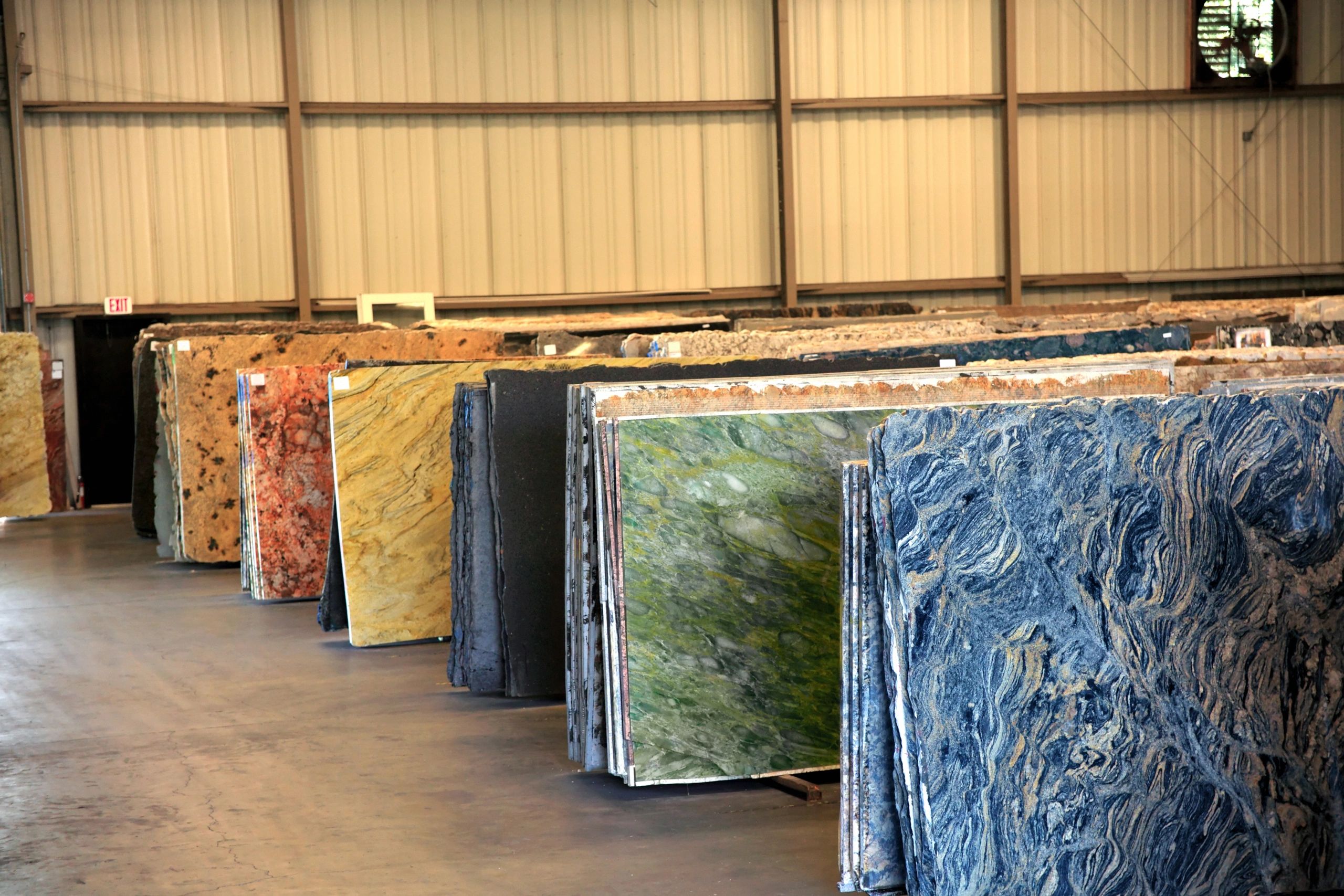
    Granite slabs showing coarse crystalline texture
    Granite’s coarse crystals indicate slow cooling underground.

    In plain terms

    Granite is a slow-cooled rock made of interlocking crystals—often quartz + feldspar + mica.

    How it forms

    Granite forms when silica-rich magma cools slowly within the crust. Slow cooling allows large crystals to grow, creating a coarse, “salt-and-pepper” texture (often with pink or white feldspar and clear/gray quartz).

    What to look for

    • Visible interlocking crystals (coarse-grained)
    • Quartz (glassy, gray/clear), feldspar (white/pink), mica (black/silvery flakes)
    • Generally hard and durable; scratches glass

    Key takeaways

    • Coarse crystals = slow cooling underground.
    • Quartz + feldspar are common components.
    • Granite is widespread in continental crust.
    • Weathering can highlight feldspar and mica.
    • Context (plutons, batholiths) supports identification.

    Back to Geology

  • Igneous Granite

    Igneous Granite Placeholder page: Granite and granitic stones—grain size, mineral ID cues, weathering, and common archaeological contexts. Back to Igneous hub Back to Archaeology
  • Wisconsin

    Wisconsin

    Wisconsin includes ancient Precambrian rocks in the north, Paleozoic sedimentary rocks in the south and east, and widespread glacial deposits. The state is known for granites and metamorphic rocks in the north, fossil-bearing limestones and dolostones, and glacially transported stones that make collecting especially varied.

    At a glance

    • Common rock types: granite and gneiss (north), limestone/dolostone and sandstone (south/east), glacial till and gravels
    • Notable materials: building stone, fossil-bearing carbonates, glacial erratics and mixed cobbles
    • Where they come from: ancient craton rocks, shallow marine sediments, and repeated glaciations

    What collectors look for

    Collectors often focus on fossils in carbonate rocks, interesting igneous/metamorphic stones in the north, and diverse glacial gravels. Always follow collecting rules and access guidelines.

    Back to United States (Hub)

Wisconsin

Wisconsin includes ancient Precambrian rocks in the north, Paleozoic sedimentary rocks in the south and east, and widespread glacial deposits. The state is known for granites and metamorphic rocks in the north, fossil-bearing limestones and dolostones, and glacially transported stones that make collecting especially varied.

At a glance

  • Common rock types: granite and gneiss (north), limestone/dolostone and sandstone (south/east), glacial till and gravels
  • Notable materials: building stone, fossil-bearing carbonates, glacial erratics and mixed cobbles
  • Where they come from: ancient craton rocks, shallow marine sediments, and repeated glaciations

What collectors look for

Collectors often focus on fossils in carbonate rocks, interesting igneous/metamorphic stones in the north, and diverse glacial gravels. Always follow collecting rules and access guidelines.

Back to United States (Hub)

  • Virginia

    Virginia

    Virginia spans the Atlantic Coastal Plain, the Piedmont, the Blue Ridge, and the Valley and Ridge—each with distinct rock types and stone resources. The state includes metamorphic and igneous rocks in the uplands, carbonate rocks in the valleys, and younger sediments toward the coast.

    At a glance

    • Common rock types: schist, gneiss, granite, quartzite; limestone/dolostone in the west; coastal sands and clays
    • Notable materials: building stones (granite, sandstone, limestone), fossil-bearing strata in places
    • Where they come from: Appalachian mountain-building, older crystalline terranes, and coastal sedimentation

    What collectors look for

    Collectors may look for fossils in appropriate sedimentary units, quartz and silica-rich stones, and distinctive metamorphic textures. Always confirm collecting permissions and follow local regulations.

    Back to United States (Hub)

    Virginia

    Virginia spans the Atlantic Coastal Plain, the Piedmont, the Blue Ridge, and the Valley and Ridge—each with distinct rock types and stone resources. The state includes metamorphic and igneous rocks in the uplands, carbonate rocks in the valleys, and younger sediments toward the coast.

    At a glance

    • Common rock types: schist, gneiss, granite, quartzite; limestone/dolostone in the west; coastal sands and clays
    • Notable materials: building stones (granite, sandstone, limestone), fossil-bearing strata in places
    • Where they come from: Appalachian mountain-building, older crystalline terranes, and coastal sedimentation

    What collectors look for

    Collectors may look for fossils in appropriate sedimentary units, quartz and silica-rich stones, and distinctive metamorphic textures. Always confirm collecting permissions and follow local regulations.

    Back to United States (Hub)

    What collectors look for

    Collectors may look for fossils in appropriate sedimentary units, quartz and silica-rich stones, and distinctive metamorphic textures. Always confirm collecting permissions and follow local regulations.

    Back to United States (Hub)

    What collectors look for

    Collectors may look for fossils in appropriate sedimentary units, quartz and silica-rich stones, and distinctive metamorphic textures. Always confirm collecting permissions and follow local regulations.

    Back to United States (Hub)

    Virginia

    Virginia spans the Atlantic Coastal Plain, the Piedmont, the Blue Ridge, and the Valley and Ridge—each with distinct rock types and stone resources. The state includes metamorphic and igneous rocks in the uplands, carbonate rocks in the valleys, and younger sediments toward the coast.

    At a glance

    What collectors look for

    Collectors may look for fossils in appropriate sedimentary units, quartz and silica-rich stones, and distinctive metamorphic textures. Always confirm collecting permissions and follow local regulations.

    Back to United States (Hub)

  • Texas

    Texas

    Texas covers an enormous range of geology—from Gulf Coastal Plain sediments to Hill Country limestones, West Texas basins, and ancient crystalline rocks in the Llano Uplift. That variety makes Texas a standout for building stones, fossil-bearing limestones, agates and jaspers, and a wide mix of igneous and sedimentary materials.

    At a glance

    • Common rock types: limestone, sandstone, shale, chert; igneous and metamorphic rocks in uplifted regions
    • Notable materials: fossil limestones, silicified wood, agate/jasper, granites and rhyolites in select areas
    • Where they come from: coastal and shelf sediments, interior carbonate platforms, basin deposits, and older uplifts

    What collectors look for

    Collectors often seek agates and jaspers from gravels, fossil specimens from limestone units, and distinctive building stones. Collect responsibly and confirm land access and collecting rules before visiting any site.
    Back to United States (Hub)

    • Common rock types: limestone, sandstone, shale, chert; igneous and metamorphic rocks in uplifted regions
    • Notable materials: fossil limestones, silicified wood, agate/jasper, granites and rhyolites in select areas
    • Where they come from: coastal and shelf sediments, interior carbonate platforms, basin deposits, and older uplifts

    What collectors look for

    Collectors often seek agates and jaspers from gravels, fossil specimens from limestone units, and distinctive building stones. Collect responsibly and confirm land access and collecting rules before visiting any site.

    Back to United States (Hub)

    Texas

    Texas covers an enormous range of geology—from Gulf Coastal Plain sediments to Hill Country limestones, West Texas basins, and ancient crystalline rocks in the Llano Uplift. That variety makes Texas a standout for building stones, fossil-bearing limestones, agates and jaspers, and a wide mix of igneous and sedimentary materials.

    At a glance

    • Common rock types: limestone, sandstone, shale, chert; igneous and metamorphic rocks in uplifted regions
    • Notable materials: fossil limestones, silicified wood, agate/jasper, granites and rhyolites in select areas
    • Where they come from: coastal and shelf sediments, interior carbonate platforms, basin deposits, and older uplifts

    What collectors look for

    Collectors often seek agates and jaspers from gravels, fossil specimens from limestone units, and distinctive building stones. Collect responsibly and confirm land access and collecting rules before visiting any site.

    Back to United States (Hub)

    What collectors look for

    Collectors often seek agates and jaspers from gravels, fossil specimens from limestone units, and distinctive building stones. Collect responsibly and confirm land access and collecting rules before visiting any site.

    Back to United States (Hub)

    What collectors look for

    Collectors often seek agates and jaspers from gravels, fossil specimens from limestone units, and distinctive building stones. Collect responsibly and confirm land access and collecting rules before visiting any site.

    Back to United States (Hub)

    Texas

    Texas covers an enormous range of geology—from Gulf Coastal Plain sediments to Hill Country limestones, West Texas basins, and ancient crystalline rocks in the Llano Uplift. That variety makes Texas a standout for building stones, fossil-bearing limestones, agates and jaspers, and a wide mix of igneous and sedimentary materials.

    At a glance

    What collectors look for

    Collectors often seek agates and jaspers from gravels, fossil specimens from limestone units, and distinctive building stones. Collect responsibly and confirm land access and collecting rules before visiting any site.

    Back to United States (Hub)

  • South Dakota

    South Dakota

    South Dakota includes some of the most geologically diverse terrain in the northern Plains, including ancient crystalline rocks, sedimentary layers, and famous mineral localities. This page serves as a hub for rocks, minerals, and stone uses associated with the state.

    What to look for

    • Crystalline rocks: granites and metamorphic rocks in older uplifts.
    • Sedimentary sequences: sandstones and shales that preserve changing environments through time.
    • Collecting themes: mineral specimens and distinctive rock textures useful for identification practice.

    Back to United States (Hub)

  • North Dakota

    North Dakota

    North Dakota’s stone story is shaped by glacial deposits, broad river systems, and sedimentary bedrock of the northern Great Plains. This page highlights common rock types and what they tell us about past environments.

    What to look for

    • Glacial erratics: transported granites and metamorphic rocks left behind by ice sheets.
    • Sedimentary rocks: sandstones, shales, and lignite-bearing layers in parts of the state.
    • River gravels: mixed cobbles and pebbles that are great for beginner identification practice.

    Back to United States (Hub)

  • North Carolina

    North Carolina

    North Carolina’s stones reflect a full cross-section of Appalachian geology—from ancient metamorphic belts in the Piedmont and Blue Ridge to younger coastal sediments along the Atlantic Plain. This page is a hub for notable rocks, minerals, and stone uses associated with the state.

    What to look for

    • Metamorphic & igneous rocks: gneiss, schist, granite, and pegmatites common to the Piedmont and Blue Ridge.
    • Coastal Plain sediments: sands, clays, and shell-rich deposits that record changing sea levels.
    • Building & decorative stone: dimension stone and aggregate sourced from durable crystalline rocks.

    Back to United States (Hub)

  • Rhode Island

    Overview

    Rhode Island is small but geologically diverse, with coastal plain sediments, glacial deposits, and older metamorphic and igneous rocks of the New England Appalachians. Collecting often focuses on beach/river gravels and limited bedrock exposures where access is allowed.

    Notable stones & minerals

    • Granite & granitic gneiss — common bedrock types in the region.
    • Quartz — veins and pebbles in glacial and coastal gravels.
    • Schist & gneiss — foliated metamorphic rocks in upland areas.
    • Glacial erratics — transported cobbles/boulders of varied rock types.

    Geology & regions (collector’s map)

    • Coastal areas — beach gravels and glacial sediments; access varies by shoreline rules.
    • Upland interior — metamorphic and igneous bedrock with limited natural exposures.
    • River corridors — rounded gravels that can concentrate durable stones (collect lightly).

    Collecting, access & ethics

    • Confirm shoreline and park regulations—many protected areas restrict removal.
    • Take small amounts from gravels; avoid disturbing dunes, vegetation, and nesting areas.
    • Respect private property boundaries and posted access rules.
    • Document finds with photos and locality notes rather than removing large samples.

    References & further reading

    • State geological survey and university resources for New England bedrock maps
    • USGS geologic map resources
    • Local mineral clubs for collecting guidance and permitted sites
  • Oklahoma

    Overview

    Oklahoma spans multiple geologic provinces—from the Ozark Plateau and Ouachita Mountains to the Great Plains. You’ll encounter marine limestones, sandstones, cherts, and igneous rocks tied to ancient uplifts, plus abundant stream gravels that concentrate durable materials.

    Notable stones & minerals

    • Chert & flint — common in many sedimentary units; some varieties are suitable for knapping.
    • Sandstone — widespread; look for iron-oxide colors and cross-bedding.
    • Limestone & dolostone — fossil-bearing units in parts of the state.
    • Granite & rhyolite — notable igneous exposures in the Wichita Mountains region.

    Geology & regions (collector’s map)

    • Wichita Mountains — igneous and metamorphic rocks; dramatic outcrops and boulder fields.
    • Ouachita Mountains (southeast) — folded sedimentary rocks; novaculite and related materials occur regionally.
    • Ozark Plateau (northeast) — cherty limestones and karst features.
    • Great Plains (west) — younger sediments, stream gravels, and windblown deposits.

    Collecting, access & ethics

    • Confirm land status: private land requires permission; many public lands restrict collecting.
    • In stream gravels, collect modestly and avoid disturbing banks and vegetation.
    • Do not collect from archaeological sites or culturally sensitive areas.
    • Use safe practices at roadcuts and outcrops (helmets/eye protection where appropriate).

    References & further reading

    • Oklahoma Geological Survey maps and publications
    • USGS geologic map resources
    • Local rock & mineral clubs for site-specific guidance
  • More posts